Victorian Britain and the Industrial Revolution: KS3 Curriculum Links
England’s Key Stage 3 history curriculum includes the study of ideas, political power, industry and empire in Britain from 1745 to 1901. This provides opportunities to investigate Britain’s emergence as an industrial nation and the impact of economic, technological and political changes on society.
School trips can help pupils explore:
- Industrialisation and manufacturing: The rise of factories, mechanisation and mass production.
- Transport and engineering: Railways, canals, steam engines and developments in construction.
- Working conditions: Factory labour, coal mining, child workers and industrial communities.
- Social reform: Poverty, education, public health and changing attitudes towards welfare.
- Empire and global trade: How overseas markets, colonial exploitation and international trade influenced British wealth and industry.
- Victorian society: Differences in wealth, housing, education, domestic life and opportunities.
For GCSE History, many of these destinations also support thematic studies of medicine, public health, crime and punishment, migration or industrial change, depending on the examination specification.
Visits to historic sites allow students to investigate primary evidence, compare different perspectives and consider how historians interpret the experiences of people living through industrialisation.
Explore more History School Trips for additional curriculum-linked experiences.
Victorian Britain School Trips in London & South East England
Ragged School Museum, London
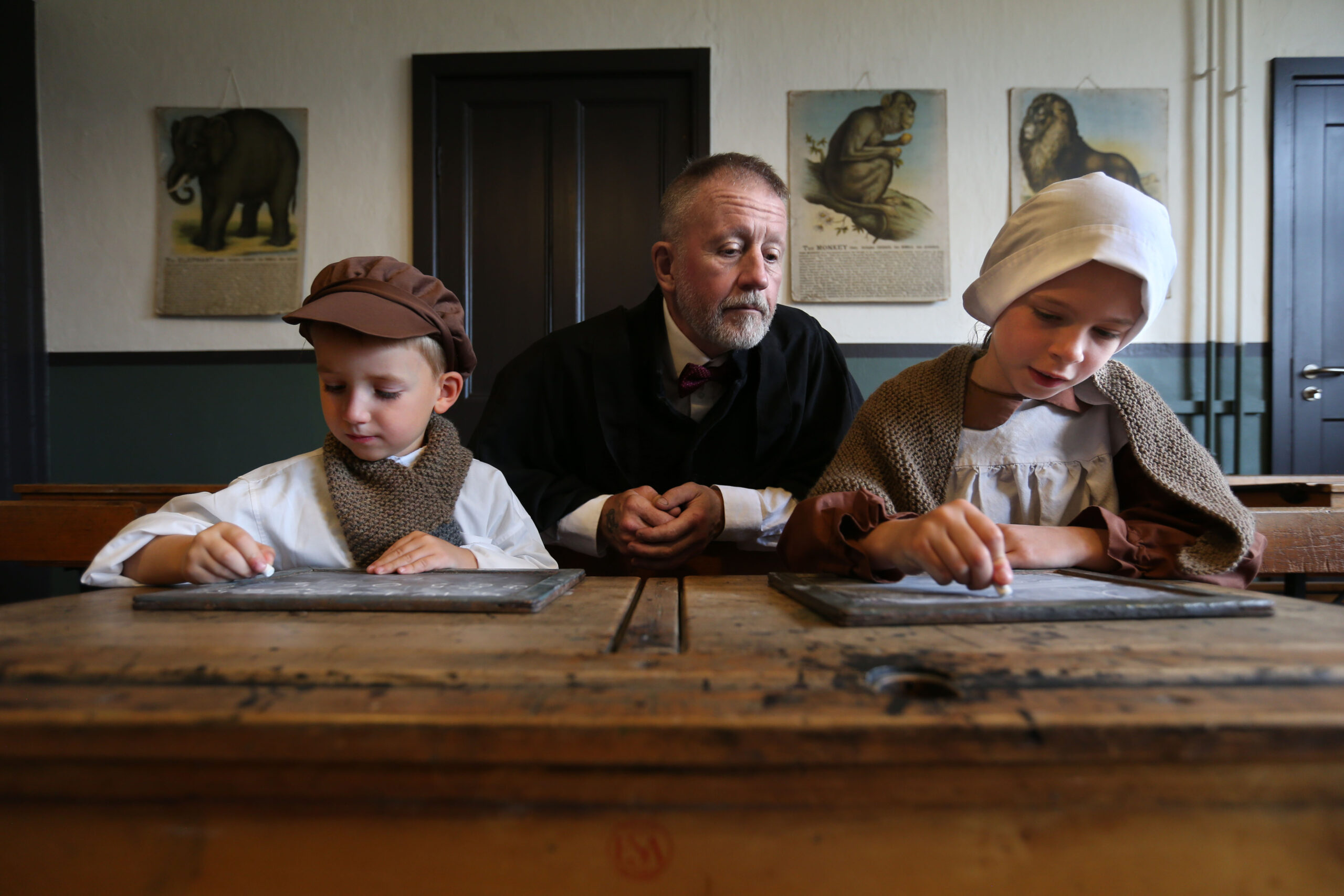
The Ragged School Museum offers an immersive introduction to Victorian education and the social challenges facing children in nineteenth-century London.
Located in buildings associated with Dr Barnardo’s work in the East End, the museum includes a reconstructed Victorian classroom where pupils can experience the atmosphere of a nineteenth-century school lesson.
Curriculum links: Victorian education, poverty, childhood, social reform and inequality.
School activities: Costumed educators deliver Victorian classroom experiences using traditional teaching methods and equipment. The museum also offers opportunities to investigate domestic life and the experiences of poorer families.
Planning tip: Prepare pupils for the Victorian classroom role-play and discuss how education, discipline and children’s opportunities have changed over time.
Brunel Museum, London
The Brunel Museum in Rotherhithe tells the story of one of Britain’s most ambitious nineteenth-century engineering achievements: the Thames Tunnel.
Designed by Marc Brunel with significant contributions from his son Isambard Kingdom Brunel, the tunnel became an important milestone in engineering history. Students can investigate the challenges of tunnelling beneath a busy river and the innovations that made the project possible.
Curriculum links: Industrial Revolution, Victorian engineering, transport, technological innovation and working conditions.
School visit information: The museum offers guided visits, talks and educational experiences exploring the Brunel family, the Thames Tunnel and the development of engineering.
Planning tip: Discuss the difficulties and risks of nineteenth-century construction before visiting. Confirm group access and tour arrangements, particularly for the historic underground shaft.
Industrial Revolution School Trips in the East of England
Woodbridge Tide Mill Museum, Suffolk
Woodbridge Tide Mill Museum offers a distinctive opportunity to investigate how mechanical power transformed food production and manufacturing.
The historic mill uses tidal energy to drive traditional milling machinery, allowing pupils to explore an earlier form of mechanisation and compare it with the steam-powered factories that expanded during the Industrial Revolution.
Curriculum links: Industrial technology, renewable energy, engineering, food production, local history and changes in manufacturing.
School activities: The working mill provides opportunities to investigate machinery, energy transfer and the journey from grain to flour. Educational programmes and resources support cross-curricular learning in History, Science and Design & Technology.
Planning tip: Use the visit to compare different sources of industrial power, including water, tides and steam. Ask about the timing of milling demonstrations and the educational resources available.
Victorian and Industrial Heritage School Trips in the Midlands
Black Country Living Museum, Dudley
Black Country Living Museum is one of the strongest destinations for investigating the social and industrial history of nineteenth-century Britain.
Its reconstructed streets, workshops, homes and industrial buildings allow pupils to explore the communities that developed around coal mining, ironworking and manufacturing.
Historical interpreters, demonstrations and original buildings help students consider how industrialisation affected everyday life, employment and social relationships.
Curriculum links: Industrial Revolution, Victorian society, working conditions, coal and iron production, transport and social change.
School activities: The museum offers guided learning experiences and self-led investigations for different Key Stages. KS3 groups can explore the changing industrial landscape, workers’ experiences and the challenges facing nineteenth-century communities.
Planning tip: The museum covers several historical periods. Select activities and locations connected with the nineteenth century to keep the visit focused on your Industrial Revolution learning objectives.
Ironbridge Gorge Museums, Shropshire
The Ironbridge Gorge provides a powerful setting for investigating Britain’s early industrial development and the growth of iron production.
The area’s historic furnaces, industrial landscapes and pioneering iron bridge reveal how new manufacturing techniques and transport infrastructure helped transform Britain during the eighteenth and nineteenth centuries.
Attractions within the museum group, including Blists Hill Victorian Town, provide opportunities to investigate working life, trade, domestic routines and technological change.
Curriculum links: Industrial Revolution, iron production, engineering, manufacturing, transport and Victorian social history.
School activities: Depending on the site and programme selected, students can explore industrial buildings, historic machinery, reconstructed shops and the experiences of people living in industrial communities.
Planning tip: The museums are spread across different locations. Choose the sites most relevant to your curriculum, and allow sufficient travel time when combining attractions.
Severn Valley Railway, Worcestershire and Shropshire
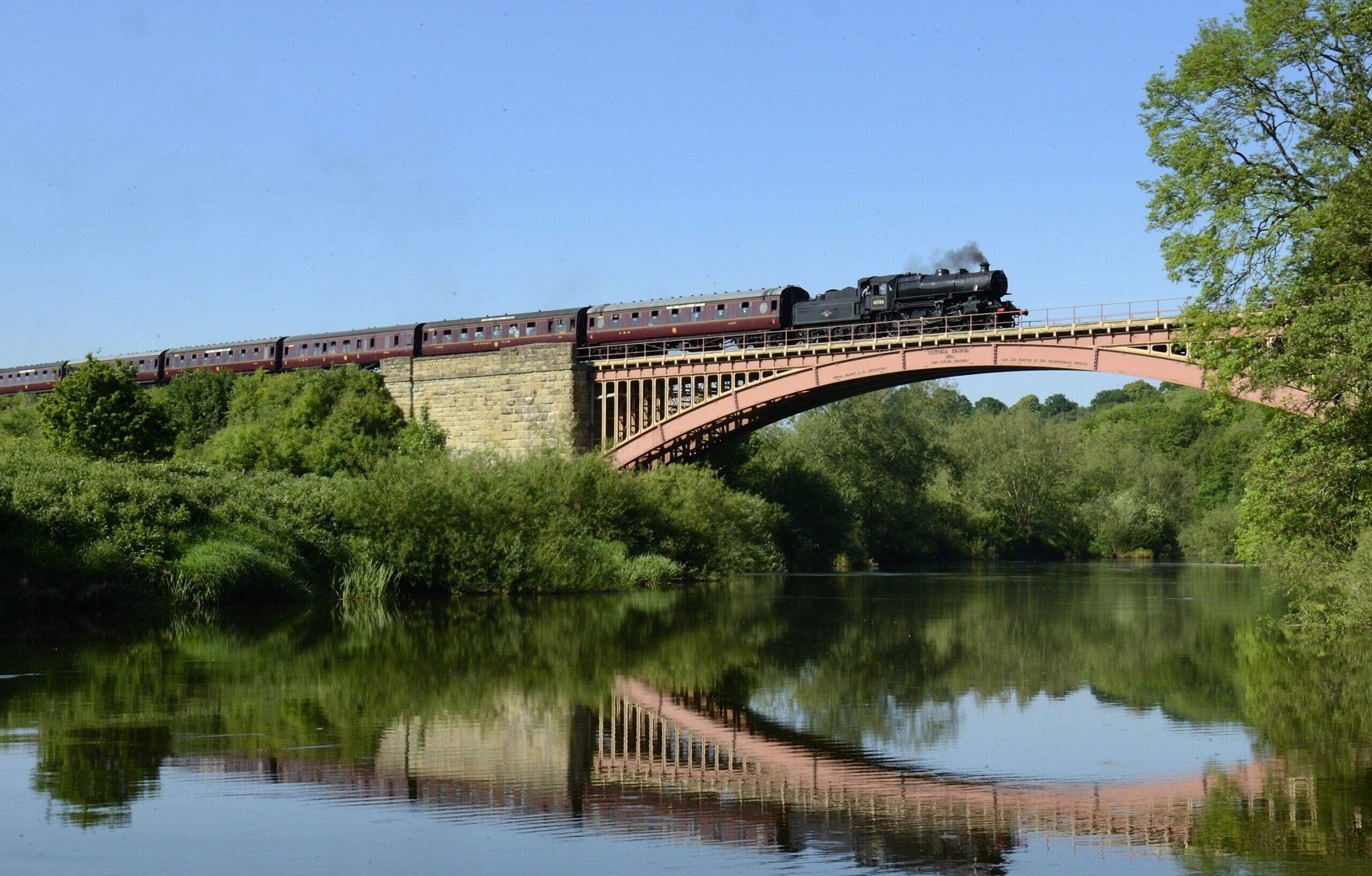
Severn Valley Railway offers school groups an opportunity to experience heritage railway travel and investigate the technologies that transformed nineteenth-century transport.
Travelling behind a steam locomotive can help pupils appreciate how railways connected towns, industries and markets, making it easier to transport people and manufactured goods.
Curriculum links: Industrial Revolution, steam power, transport networks, engineering and economic change.
School visit information: Heritage railway journeys and group experiences provide opportunities to explore railway technology, historic stations and the changing role of transport in British society.
Planning tip: Check operating dates, group booking arrangements and the availability of steam services. Railway timetables vary throughout the year.
Burghley House, Stamford
Burghley House offers curriculum-linked educational visits exploring Victorian society alongside other periods of British history.
Although Burghley was originally built during the Elizabethan period, its long history and extensive collections provide opportunities to investigate how wealthy households changed over subsequent centuries.
Students can explore the relationship between wealth, domestic life, employment and social status, comparing the experiences of household staff with those of the families they served.
Curriculum links: Victorian society, class structure, domestic life, historical evidence and social change.
School activities: Burghley’s education team offers themed learning sessions, including Victorian England, with activities tailored to different Key Stages. Visits may involve historical characters, house tours and practical learning.
Planning tip: Discuss your Victorian history objectives with the education team so the visit focuses on relevant rooms, objects and activities.
Victorian Britain School Trips in Yorkshire & North East England
Ripon Museums, North Yorkshire
Ripon Museums offers one of the most directly relevant educational experiences for schools studying Victorian poverty, crime, punishment and social reform.
Its three historic sites include the Workhouse Museum, Prison & Police Museum and Courthouse Museum. Together, they reveal how nineteenth-century society responded to poverty, unemployment, crime and inequality.
Curriculum links: Victorian society, the Poor Law, workhouses, crime and punishment, social reform, Citizenship and English literature.
School workshops: Costumed interpreters and hands-on activities bring Victorian institutions to life. Programmes include Workhouse Days, Crime & Punishment Days and Rich & Poor Days, with opportunities for historical role-play and debate.
Planning tip: This is particularly valuable for exploring the human consequences of industrialisation. Older pupils can investigate the moral questions surrounding poverty relief and the treatment of vulnerable people.
Hopetown Darlington, County Durham
Hopetown Darlington celebrates the railway heritage of a town that played a pioneering role in Britain’s transport revolution.
Located within historic railway buildings, the attraction explores the Stockton & Darlington Railway and the technological developments that helped transform travel, trade and industry during the nineteenth century.
Curriculum links: KS3 Industrial Revolution, transport history, railway engineering, technological innovation and local history.
School workshops: Hopetown offers practical learning sessions covering the Stockton & Darlington Railway and STEM topics such as electricity, railway signalling and communications. Pupils can investigate historical objects in North Road Station Museum and explore the museum’s railway collections.
Planning tip: Choose a workshop that supports your history or engineering objectives. Schools can book packages combining a facilitated session, museum exploration and additional activities.
Ripon Museums, North Yorkshire
Ripon Museums offers one of the most engaging ways for school groups to explore Victorian poverty, crime, punishment and social reform.
Its three historic sites—the Workhouse Museum, Prison & Police Museum and Courthouse Museum—provide opportunities to investigate how the poorest members of society were treated during the nineteenth century.
Curriculum links: Victorian Britain, poverty, the Poor Law, crime and punishment, social inequality, education and reform.
School workshops: Immersive learning experiences include Victorian workhouse activities, courtroom role-play and investigations into policing and punishment. Pupils can take part in historical activities while exploring the decisions and experiences of people living under Victorian institutions.
Planning tip: The Rich & Poor programme is particularly useful for exploring the contrasts within Victorian society and can support English literature topics such as Dickens’ A Christmas Carol.
Thackray Museum of Medicine, Leeds
Thackray Museum of Medicine provides a powerful introduction to the medical and public health challenges of industrial Britain.
Pupils can investigate overcrowded housing, poor sanitation, infectious diseases and the medical developments that changed the lives of Victorian communities.
Curriculum links: Victorian public health, urbanisation, industrialisation, medicine through time, disease and social reform.
School workshops: The museum offers educational experiences exploring Victorian life, disease and the development of medical treatment, including programmes such as Victorians Alive and the Disease Street Tour.
Planning tip: Use the visit to investigate why industrial towns experienced serious public health problems and how scientific discoveries, legislation and improvements in sanitation helped reduce disease.
Beamish, The Living Museum of the North, County Durham
Beamish brings industrial and social history to life through reconstructed streets, homes, shops, workplaces and transport from different periods of North East England’s past.
Its nineteenth-century and early twentieth-century settings help pupils compare how families lived, worked, shopped and travelled as industrial communities developed.
Curriculum links: Industrialisation, Victorian and Edwardian society, working-class life, transport, mining and social history.
School visit information: Beamish offers educational workshops, historical experiences and opportunities for pupils to investigate everyday life through historic buildings, objects and costumed interpretation.
Planning tip: The museum covers a large area. Plan a focused itinerary around the historical period you are studying and allow time to move between different parts of the site.
Kelham Island Museum, Sheffield
Kelham Island Museum explores Sheffield’s industrial heritage and the engineering innovations that helped the city become internationally associated with steel production and manufacturing.
Students can investigate how industrial processes developed, how machinery transformed production and what working life was like in one of Britain’s major manufacturing centres.
Curriculum links: Industrial Revolution, engineering, manufacturing, urbanisation, technological change and working conditions.
School visit information: The museum’s collections include industrial machinery, tools, transport and exhibits relating to Sheffield’s manufacturing history. The River Don Engine offers a particularly striking example of large-scale steam engineering.
Planning tip: Check whether the River Don Engine will be demonstrated on the day of your visit. Students could investigate how steam power contributed to increased industrial production.
National Coal Mining Museum for England, Wakefield
The National Coal Mining Museum for England explores the history of coal mining and its influence on industrial development, communities and working lives.
Based at the former Caphouse Colliery, the museum provides opportunities to investigate the conditions experienced by miners, the role of coal in powering industry and the social changes associated with mining communities.
Curriculum links: Industrial Revolution, coal mining, energy, working conditions, child labour, technological change and social history.
School activities: The museum provides educational experiences, historical collections and opportunities to learn from former miners. Above-ground activities include the Time Tunnel, pithead baths and guided experiences exploring life at the colliery.
Planning tip: Underground tours are currently paused, so schools should not plan their visit around descending into the mine. Confirm the alternative educational experiences available when booking.
Brodsworth Hall and Gardens, South Yorkshire
Brodsworth Hall offers a contrasting perspective on Victorian Britain, allowing students to investigate the lifestyles of wealthy households and the people employed to maintain them.
Built in the 1860s, the country house retains much of its historic interior, offering evidence of Victorian domestic life, material culture and social hierarchy.
Curriculum links: Victorian society, social class, domestic service, wealth, architecture and historical interpretation.
School visit information: Pupils can investigate the rooms, furnishings and domestic arrangements of a Victorian country house, considering how the experiences of the family differed from those of the servants.
Planning tip: Compare the house with an industrial museum or workhouse to help students explore how wealth and living conditions varied across Victorian society.
York’s Chocolate Story, York
York’s Chocolate Story explores the development of chocolate-making and the families and businesses that helped establish York as an important centre of confectionery manufacturing.
The attraction provides an accessible way to investigate how industrialisation transformed food production, commercial enterprise and working life.
Curriculum links: Victorian industry, food manufacturing, technological innovation, business history, trade and social change.
School workshops: The Victorians: A Sweet Invention programme explores Victorian life, inventions and the Industrial Revolution through York’s chocolate-making heritage. Guided visits also introduce the history of chocolate production and the city’s confectionery businesses.
Planning tip: This is a useful option for connecting Victorian history with food technology, manufacturing and enterprise. Check the available workshops and their Key Stage suitability before booking.
Victorian and Industrial Revolution School Trips in North West England
Quarry Bank, Cheshire
Quarry Bank is one of Britain’s most important surviving textile-mill sites, offering an opportunity to investigate the development of factory production and the experiences of workers during the Industrial Revolution.
The historic mill, workers’ cottages and apprentice house provide evidence of how industrialisation transformed employment, family life and rural communities.
Curriculum links: Textile manufacturing, factory systems, child labour, apprenticeships, industrial technology and social reform.
School visit information: Pupils can explore the mill environment, investigate the lives of apprentices and examine how machinery transformed the production of cotton textiles.
Planning tip: Compare the experiences of mill owners, adult workers and child apprentices to explore how industrialisation created both new opportunities and significant inequalities.
Science and Industry Museum, Manchester
Manchester’s Science and Industry Museum explores the city’s role in the Industrial Revolution and the technological developments that transformed transport, manufacturing and communication.
Located on the historic Liverpool Road railway station site, the museum provides opportunities to explore Manchester’s industrial past and its contribution to scientific and engineering innovation.
Curriculum links: Industrial Revolution, railway development, textile manufacturing, engineering, scientific innovation and urban growth.
School visit information: The museum offers exhibits, interactive experiences and educational resources exploring science, technology and industrial history.
Planning tip: Parts of the museum site have been undergoing major restoration. Check current gallery availability and school learning programmes before arranging your visit.
Windermere Jetty Museum, Cumbria
Windermere Jetty Museum explores more than 200 years of boating and transport history on England’s largest natural lake.
Its collection of historic boats, machinery and maritime objects helps students investigate how industrial developments changed transport, leisure and engineering.
Curriculum links: Industrial technology, steam power, transport history, engineering and social change.
School visit information: The museum offers opportunities to explore historic vessels, boat-building traditions and the relationship between technological innovation and the development of tourism in the Lake District.
Planning tip: Use the boats to compare different methods of propulsion and investigate how developments in steam power changed travel during the nineteenth century.
Blackwell – The Arts & Crafts House, Cumbria
Blackwell provides an opportunity to investigate the Arts and Crafts movement, which developed partly in response to the effects of industrialisation and mass production.
Designed by M. H. Baillie Scott and completed in 1901, the house reflects an interest in traditional craftsmanship, natural materials and carefully designed domestic interiors.
Curriculum links: Late Victorian design, Arts and Crafts, industrialisation, architecture, craftsmanship and social history.
School visit information: Students can explore the architecture, furnishings and decorative features of the house while investigating how designers responded to industrial manufacturing.
Planning tip: Compare Blackwell’s handcrafted design with the mass-produced goods associated with Victorian factories. This offers a particularly useful connection between History and Design & Technology.
Speke Hall, Liverpool
Speke Hall offers opportunities to investigate how an older country estate changed during the Victorian period.
Although the house dates from the Tudor era, its nineteenth-century ownership and alterations provide a useful perspective on Victorian wealth, domestic life and the preservation of historic buildings.
Curriculum links: Victorian society, domestic life, country estates, social class and historical interpretation.
School visit information: Pupils can explore the house and estate to investigate changing lifestyles and how historic properties were adapted by later generations.
Planning tip: This is best used as a supplementary Victorian social-history visit rather than a primary Industrial Revolution destination.
Victorian Britain and Industrial Heritage School Trips in South West England
Brunel’s SS Great Britain, Bristol
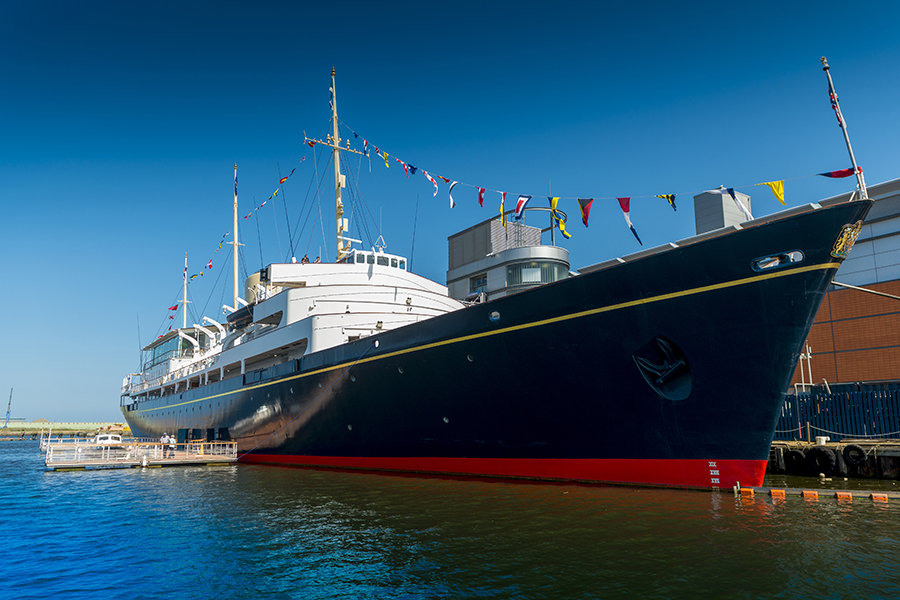
Brunel’s SS Great Britain offers one of the UK’s strongest opportunities to investigate Victorian engineering, transport and maritime history.
Designed by Isambard Kingdom Brunel and launched in 1843, the ship demonstrates how technological innovation transformed international travel and trade.
Curriculum links: Victorian engineering, steam power, transport, migration, maritime history and technological innovation.
School visit information: Students can explore the restored ship, investigate the lives of passengers and crew, and examine the engineering behind its construction and propulsion.
Planning tip: Compare the experiences of different classes of passengers and consider how new forms of transport affected migration, international trade and communication.
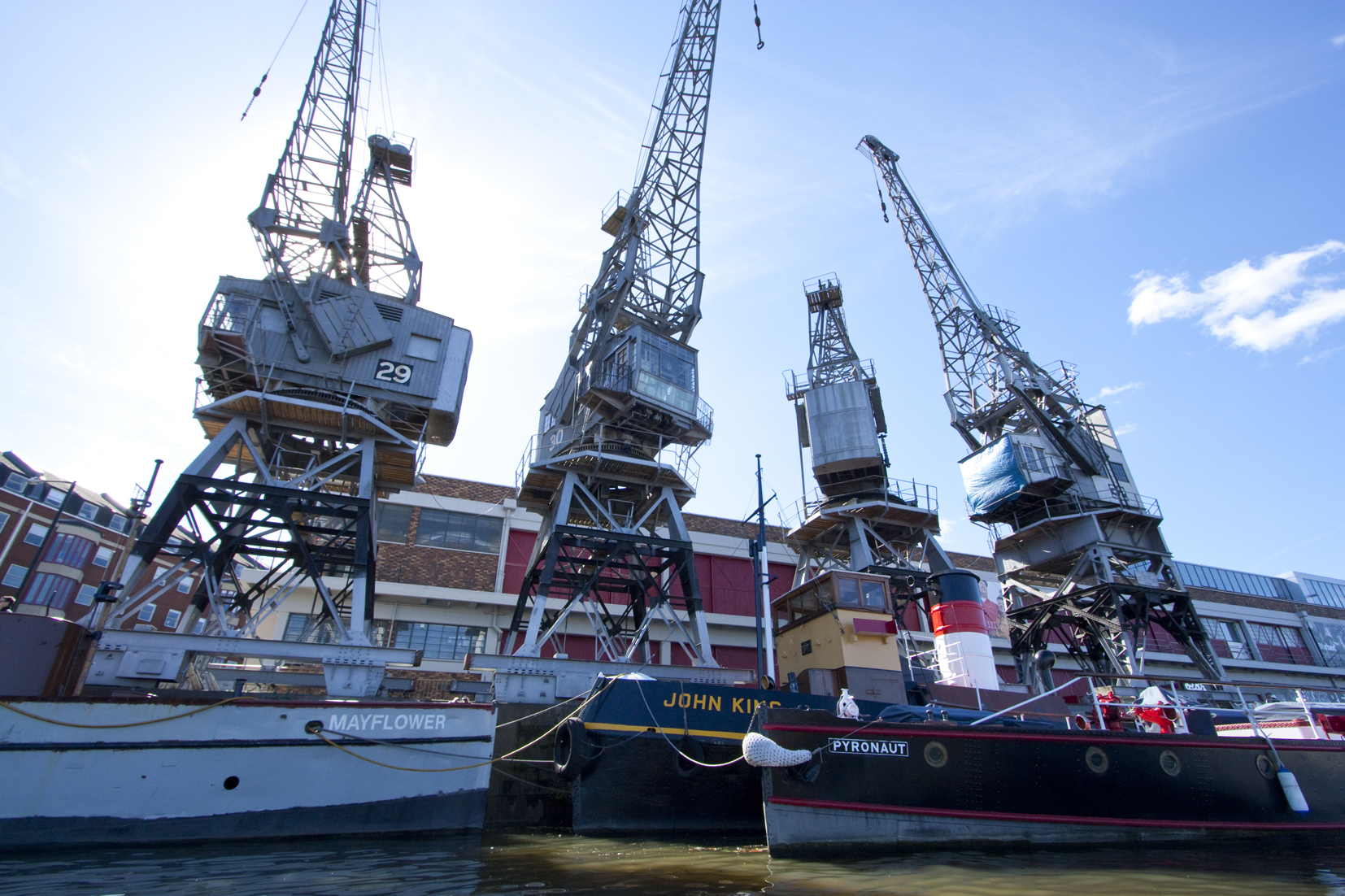
M Shed, Bristol
M Shed explores Bristol’s industrial, maritime and social history through objects and stories connected with the city’s development.
The museum provides opportunities to investigate how trade, manufacturing and transport shaped Bristol’s economy and communities, while also examining the city’s connections with the transatlantic trafficking of enslaved Africans.
Curriculum links: Industrialisation, maritime trade, empire, social history, economic change and the history of slavery.
School workshops: Educational sessions include Chocolate and Bristol, Ships and Sailors, and Transatlantic Traffic in Enslaved Africans. These programmes help students explore the connections between trade, industry and society.
Planning tip: M Shed is especially useful for examining the wider economic and human consequences of industrialisation and imperial trade.
Bristol Museums Historic Houses, Bristol
Bristol Museums Historic Houses provides opportunities to investigate domestic life, social hierarchy and the changes experienced by households over time.
Blaise Museum’s collections of costume, toys and domestic objects offer particularly useful evidence for exploring everyday life and comparing experiences across different social groups.
Curriculum links: Victorian domestic life, social history, material culture, childhood, class and historical enquiry.
School visit information: The historic house museums offer self-guided educational visits and selected workshops that allow pupils to investigate buildings and objects from different historical periods.
Planning tip: Focus on collections and activities relating directly to the nineteenth century, as the museums cover several historical periods.
Coldharbour Mill, Devon
Coldharbour Mill offers a valuable opportunity to investigate the development of textile manufacturing during the Industrial Revolution.
Established in the late eighteenth century, the mill preserves historic machinery and provides insights into the industrial processes involved in producing woollen textiles.
Curriculum links: Industrial Revolution, manufacturing, textile production, water and steam power, engineering and working conditions.
School visit information: Students can investigate how raw materials were transformed into finished textiles and how machinery changed the scale and organisation of manufacturing.
Planning tip: Confirm whether machinery demonstrations will be available. Discuss how factory machinery changed productivity, employment and working environments.
Lanhydrock, Cornwall
Lanhydrock provides a fascinating insight into Victorian domestic life and the technological changes that transformed large country houses.
The extensive late Victorian interiors include kitchens, service rooms and family accommodation, allowing pupils to investigate social hierarchy and how different household members lived and worked.
Curriculum links: Victorian society, domestic service, class structure, technological innovation and social history.
School visit information: Pupils can explore the house to compare the experiences of wealthy families and domestic servants and consider how developments in technology changed household routines.
Planning tip: Focus on the contrast between family and service areas to explore social inequality and working conditions in Victorian Britain.
Industrial Revolution and Victorian History School Trips in Wales
Big Pit National Coal Museum, Blaenavon
Big Pit National Coal Museum explores Wales’s coal mining heritage and the working lives of the people who contributed to Britain’s industrial development.
The preserved colliery provides opportunities to investigate mining technology, industrial communities and the social and economic importance of coal.
Curriculum links: Industrial Revolution, coal mining, working conditions, energy, industrial communities and Welsh history.
School visit information: Educational visits can explore the colliery and its collections, including the experiences of miners and the technological developments that transformed coal production.
Planning tip: Confirm the current availability and suitability of underground tours for your group. Special safety requirements apply, including restrictions on items that can be taken underground.
Penrhyn Castle, Gwynedd
Penrhyn Castle offers opportunities to explore how industrial wealth, global trade and empire shaped nineteenth-century Britain.
The castle’s nineteenth-century architecture and collections reflect the wealth of the Pennant family, whose fortunes were connected with Jamaican sugar plantations worked by enslaved people and the development of the North Wales slate industry.
Curriculum links: Victorian wealth, industrialisation, the British Empire, slavery, social inequality and historical interpretation.
School visit information: Pupils can investigate the castle’s architecture and collections while examining how wealth was generated and represented during the nineteenth century.
Planning tip: Use Penrhyn Castle to explore the relationship between industrial wealth and the experiences of workers and enslaved people. Encourage pupils to consider whose stories are represented in historic buildings and collections.
Welsh Slate Industry and the Dinorwig Quarry Landscape, Gwynedd
The slate industry transformed communities across North Wales during the nineteenth century, supplying roofing materials for expanding industrial towns and cities.
The historic quarry landscapes around Llanberis provide a powerful setting for understanding quarrying, technological change, transport and the relationship between industry and Welsh culture.
Curriculum links: Industrial Revolution, quarrying, Welsh history, working conditions, transport and industrial landscapes.
School visit information: The National Slate Museum at Llanberis is currently closed for major redevelopment. Schools interested in the topic should investigate other suitable heritage experiences and educational resources connected with the Slate Landscape of Northwest Wales UNESCO World Heritage Site.
Planning tip: Do not arrange a school visit to the National Slate Museum until its reopening is confirmed. Check the current availability of alternative educational programmes and safe access to relevant heritage sites.
Victorian Britain and Industrial Heritage School Trips in Scotland
New Lanark World Heritage Site, South Lanarkshire
New Lanark is one of Britain’s most important industrial heritage sites, preserving a cotton mill community associated with pioneering approaches to education and social reform.
The settlement developed during the Industrial Revolution and became particularly associated with Robert Owen’s efforts to improve the lives of workers and their families.
Curriculum links: Industrial Revolution, factory systems, social reform, education, working conditions and industrial communities.
School visit information: Pupils can explore the historic village, mill buildings and displays to investigate how industrial communities operated and how ideas about workers’ welfare developed.
Planning tip: Compare New Lanark with conventional factory systems to evaluate the extent to which Robert Owen’s reforms challenged prevailing industrial practices.
Riverside Museum, Glasgow
Riverside Museum explores Glasgow’s transport and industrial heritage through collections of vehicles, machinery and objects associated with the city’s development.
Its exhibits demonstrate how advances in engineering changed travel, manufacturing, trade and everyday life during the nineteenth and twentieth centuries.
Curriculum links: Industrial Revolution, transport, engineering, shipbuilding, urban development and technological change.
School visit information: The museum’s transport collections and recreated historical streets provide opportunities to investigate changing lifestyles and the technologies that helped shape industrial Glasgow.
Planning tip: Focus on examples of steam-powered transport and nineteenth-century engineering to keep the visit relevant to the Victorian period.
The Hill House, Helensburgh
The Hill House offers an opportunity to investigate the relationship between industry, wealth and the development of modern design at the end of the Victorian era.
Designed by Charles Rennie Mackintosh and completed in 1904, the house demonstrates the influence of the Arts and Crafts movement and the transition towards twentieth-century architecture.
Curriculum links: Late Victorian society, architecture, industrial wealth, craftsmanship, design reform and cultural change.
School visit information: Students can explore the design of the house and consider how architecture and decorative arts responded to changing attitudes towards industrial production.
Planning tip: The house is protected by a conservation enclosure. Check current access arrangements and use the visit as an opportunity to explore both historical design and the challenges of conserving historic buildings.
Planning Victorian Britain and Industrial Revolution School Trips
Match Your Visit to the Curriculum
England’s KS3 history curriculum includes the study of ideas, political power, industry and empire in Britain between 1745 and 1901.
Industrial heritage sites can support investigations into technological innovation, urbanisation, working conditions, social inequality, reform movements and the relationship between Britain and the wider world.
Teachers should identify the historical questions they want students to investigate before choosing a destination.
Compare Working Conditions and Social Class
Victorian Britain experienced extraordinary economic growth, but its benefits were distributed unevenly.
Comparing a mill, workhouse or mining museum with a country house can help students explore the contrasting lives of industrial workers, wealthy families, domestic servants and children.
Useful questions include:
- Who benefited most from industrialisation?
- How did working conditions differ between occupations?
- What opportunities did industrialisation create?
- How did poverty and inequality influence campaigns for reform?
- How did the experiences of children differ across social classes?
Explore the Relationship Between Industry and Empire
The Industrial Revolution was closely connected with Britain’s expanding international trade and imperial activities.
Raw materials, manufacturing, overseas markets and maritime transport played important roles in industrial growth. The histories of slavery and colonial exploitation are also essential to understanding how wealth was accumulated and distributed.
Sites such as M Shed and Penrhyn Castle can support more detailed investigations into these relationships.
Link History with Science, Engineering and Technology
Industrial heritage attractions offer opportunities to connect historical change with practical developments in engineering and technology.
Steam engines, textile machinery, railways, bridges, tunnels and ships can help students understand how scientific principles were applied to solve industrial challenges.
Depending on the attraction, pupils may be able to investigate power generation, mechanical systems, materials and changes in manufacturing processes.
Use Historical Evidence to Develop Critical Thinking
Encourage students to investigate the objects, buildings and records they encounter rather than relying solely on descriptive displays.
Useful historical enquiry activities include:
- Comparing photographs of industrial towns with modern landscapes
- Investigating factory rules and workers’ accounts
- Interpreting census records and population changes
- Comparing the living conditions of wealthy and working-class families
- Examining historical machinery and identifying its purpose
- Evaluating evidence about Victorian reform movements
Students should consider whose experiences historical sources represent and what perspectives may be missing.
Check Practical Arrangements and Accessibility
Historic industrial sites can contain narrow staircases, uneven surfaces, working machinery and areas that require specialist safety arrangements.
Before booking, confirm:
- School workshop availability and recommended visit duration
- Group capacities and adult supervision requirements
- Accessibility and SEND arrangements
- Safety procedures and risk assessment information
- Clothing, footwear and equipment requirements
- Coach parking, arrival arrangements and lunch facilities
- Whether machinery demonstrations or underground tours are operating
Many museums offer teacher pre-visits and learning resources that can help schools prepare.
Extend Learning Beyond the Visit
Before travelling, students could investigate the growth of industrial towns, create timelines of major inventions or explore the experiences of different social groups.
During the visit, encourage them to record evidence, compare historical environments and develop questions about industrial change.
Afterwards, students could evaluate the benefits and costs of industrialisation, write an account of a Victorian worker’s life using historical evidence, or investigate how industrial developments continue to shape modern communities.
Discover More Victorian and Industrial History School Trips
From preserved textile mills and coal mines to railway museums, historic houses and immersive Victorian experiences, the UK offers outstanding opportunities to investigate the Industrial Revolution and its impact on society.
Whether you’re studying technological innovation, working conditions, social reform or the relationship between industry and empire, educational visits can help students develop a more detailed understanding of this transformative period in British history.
Explore more History School Trips, discover our School Trip Ideas, or browse School Trip Attractions to plan your next educational visit.