


Celtic Harmony Camp



Celtic Harmony Camp
What Can Pupils Do on a School Trip to Celtic Harmony?
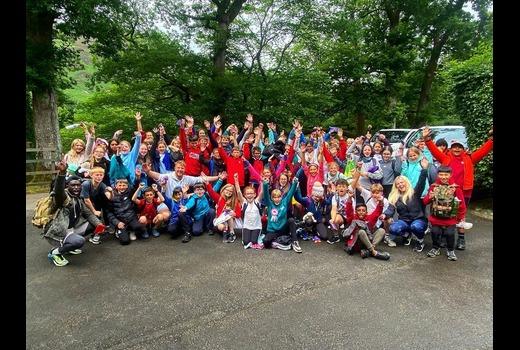
A school trip to Celtic Harmony Camp gives pupils the opportunity to experience life in prehistoric Britain through hands-on activities, costumed interpretation and outdoor learning.
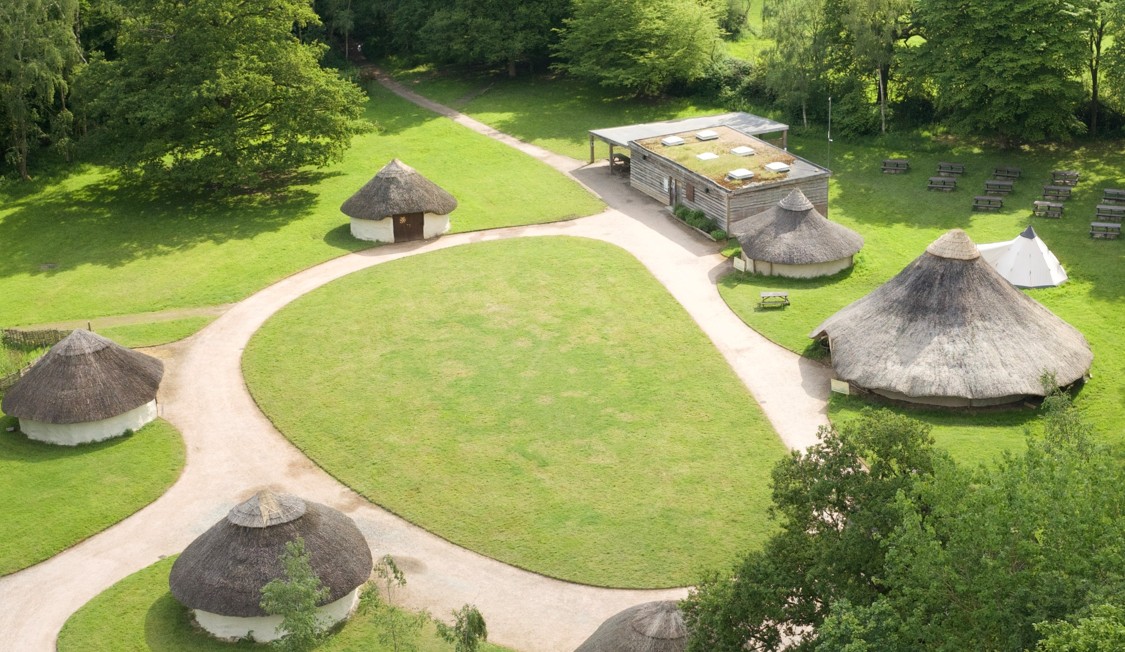
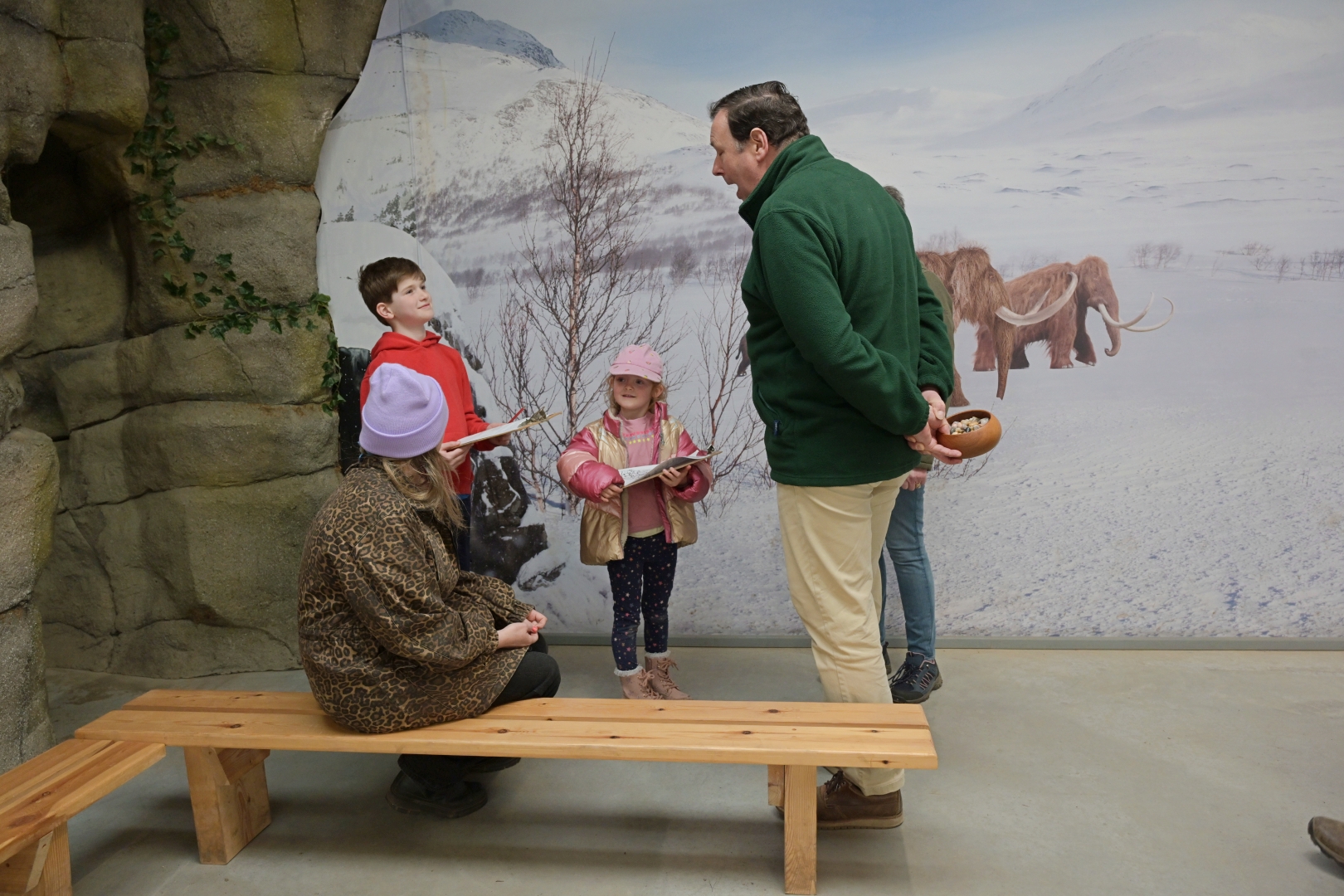
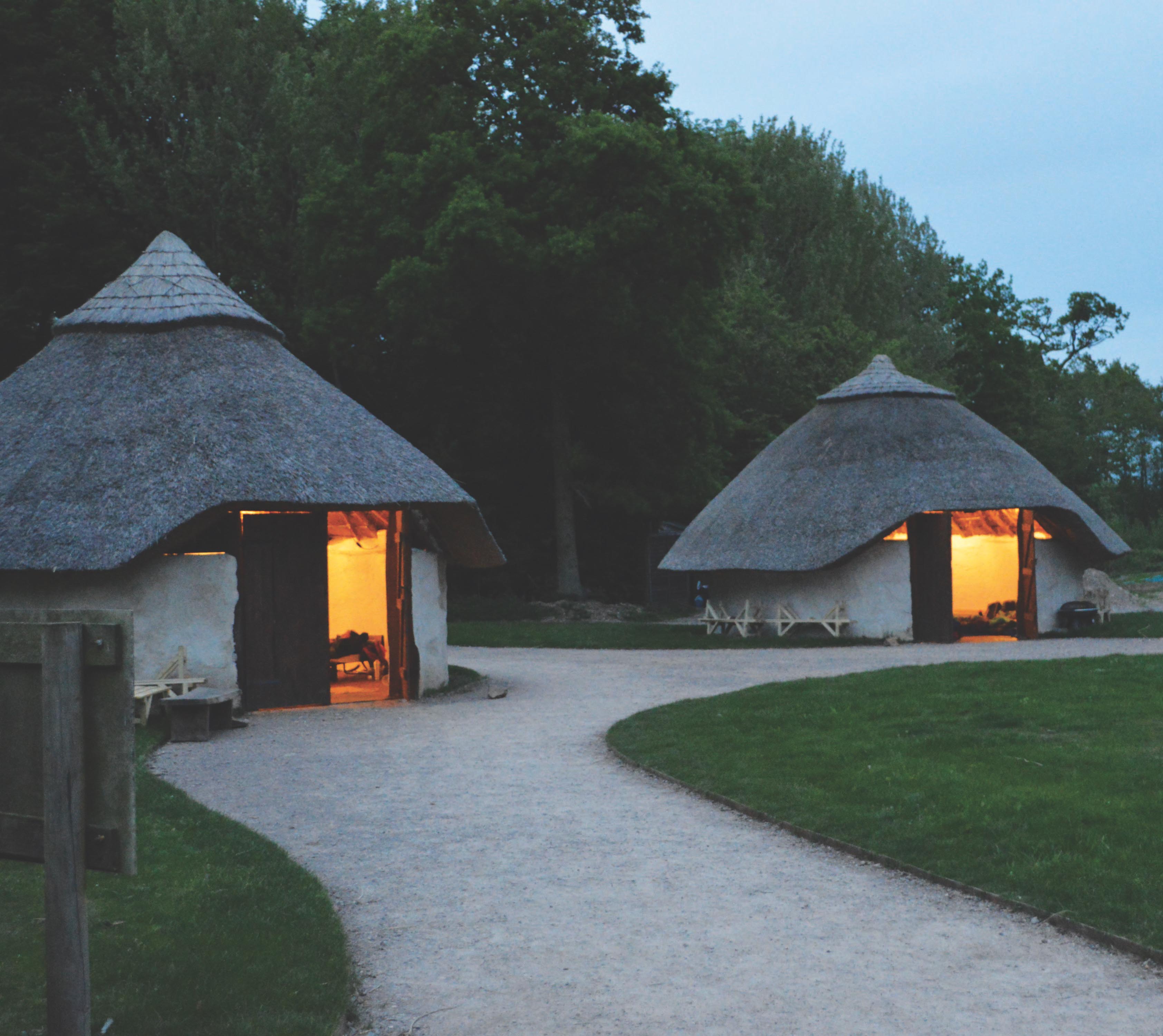
Located in Hertfordshire woodland, Celtic Harmony is home to the UK’s largest reconstructed Iron Age settlement, with roundhouses, a Prehistory Centre and a Palaeolithic Cave exhibition.
Led by costumed Prehistory Educators, pupils can discover how people lived, worked and survived during the Stone, Bronze and Iron Ages.
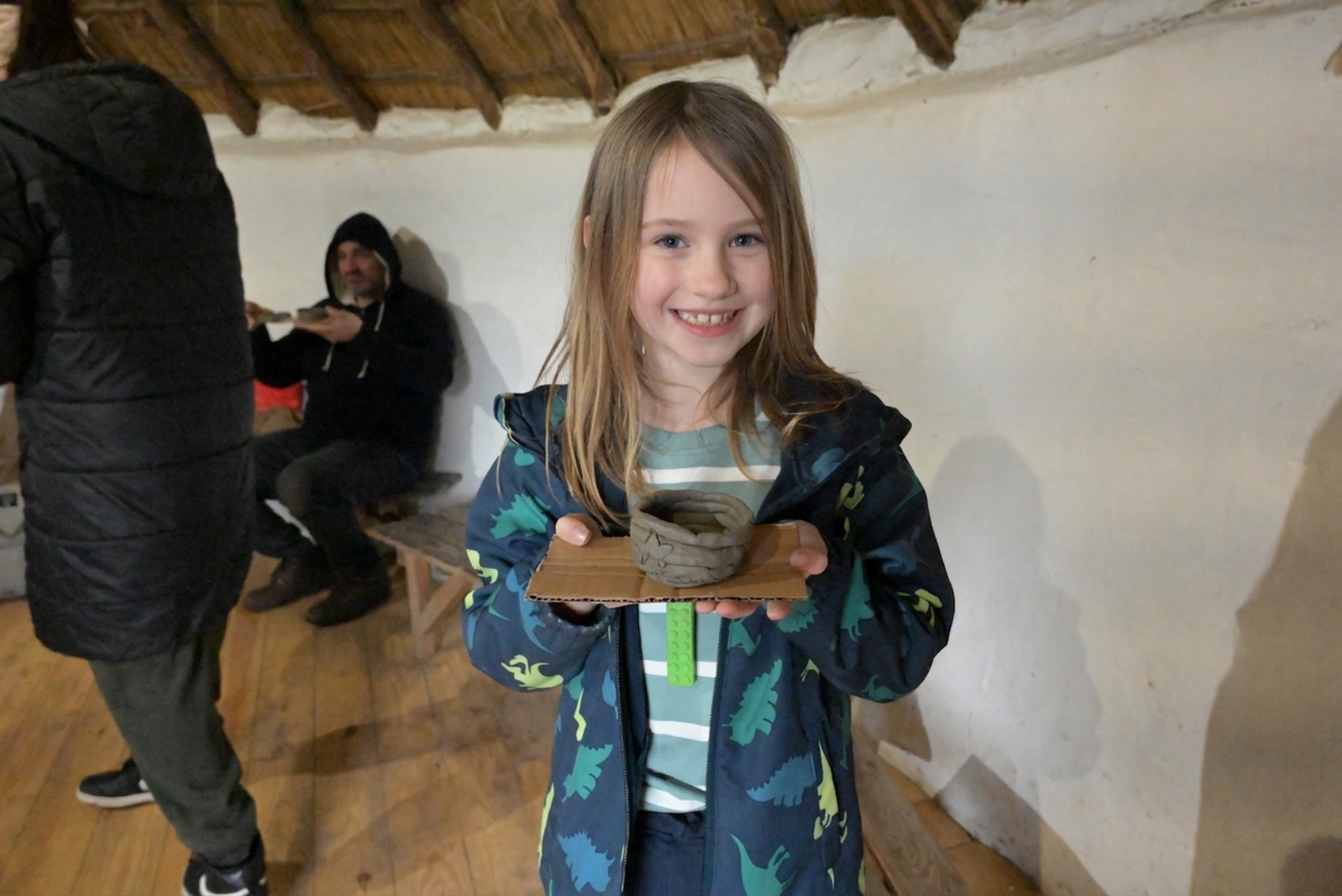
Depending on their chosen programme, activities include watching friction fire-lighting and flint-knapping demonstrations, building woodland shelters, grinding grain using quern stones, making Bronze Age pottery, weaving, preparing prehistoric food and trading with replica artefacts.
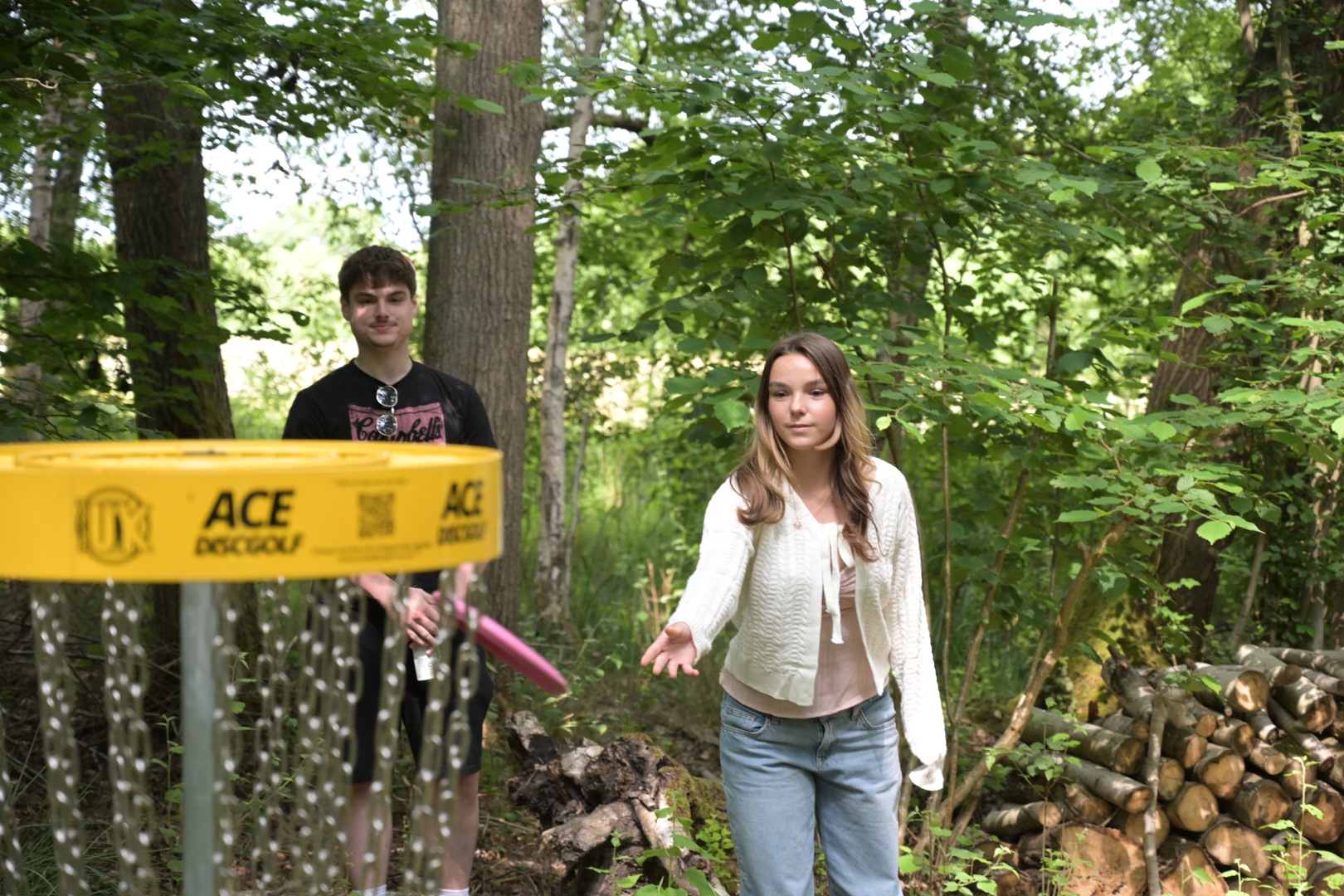
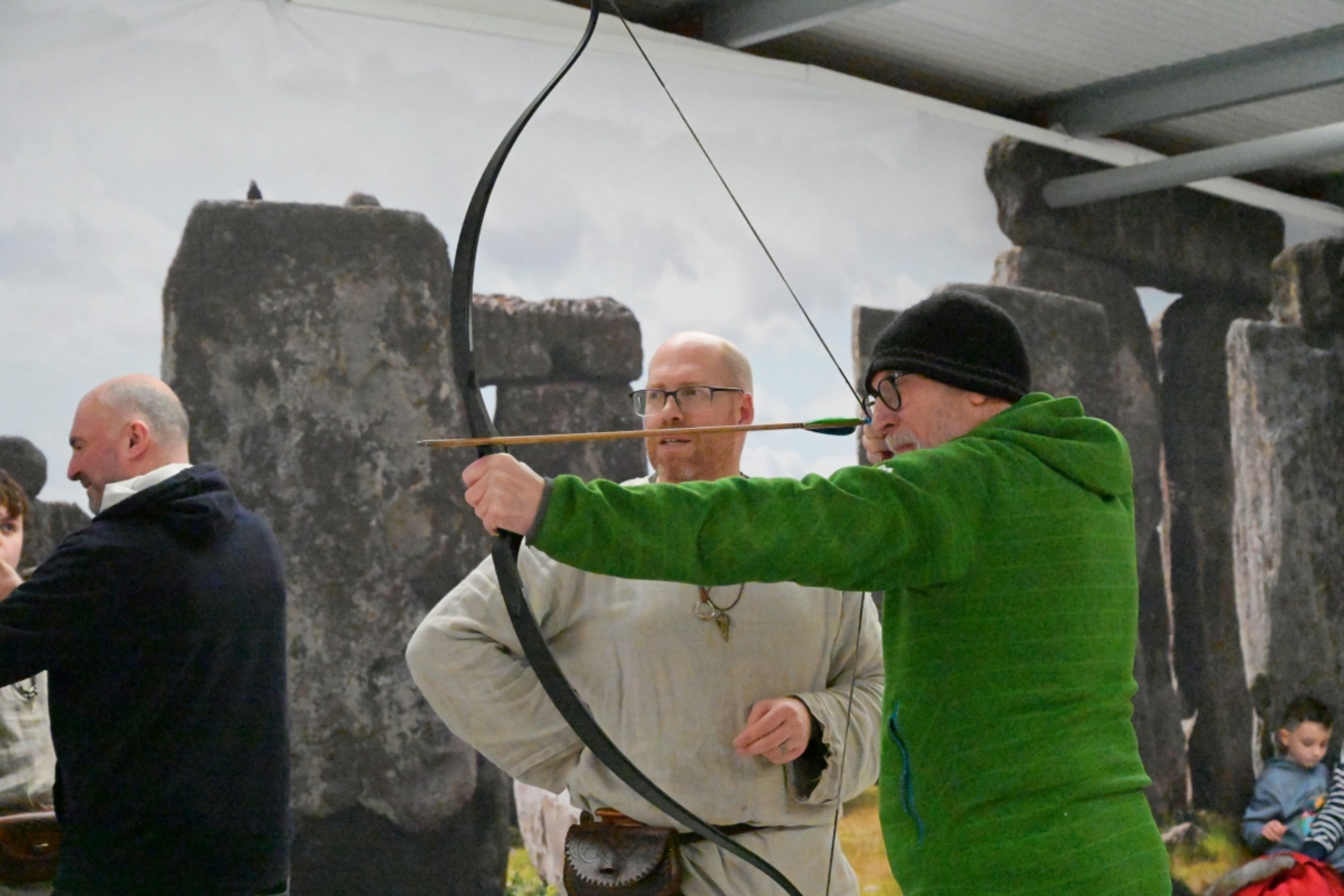
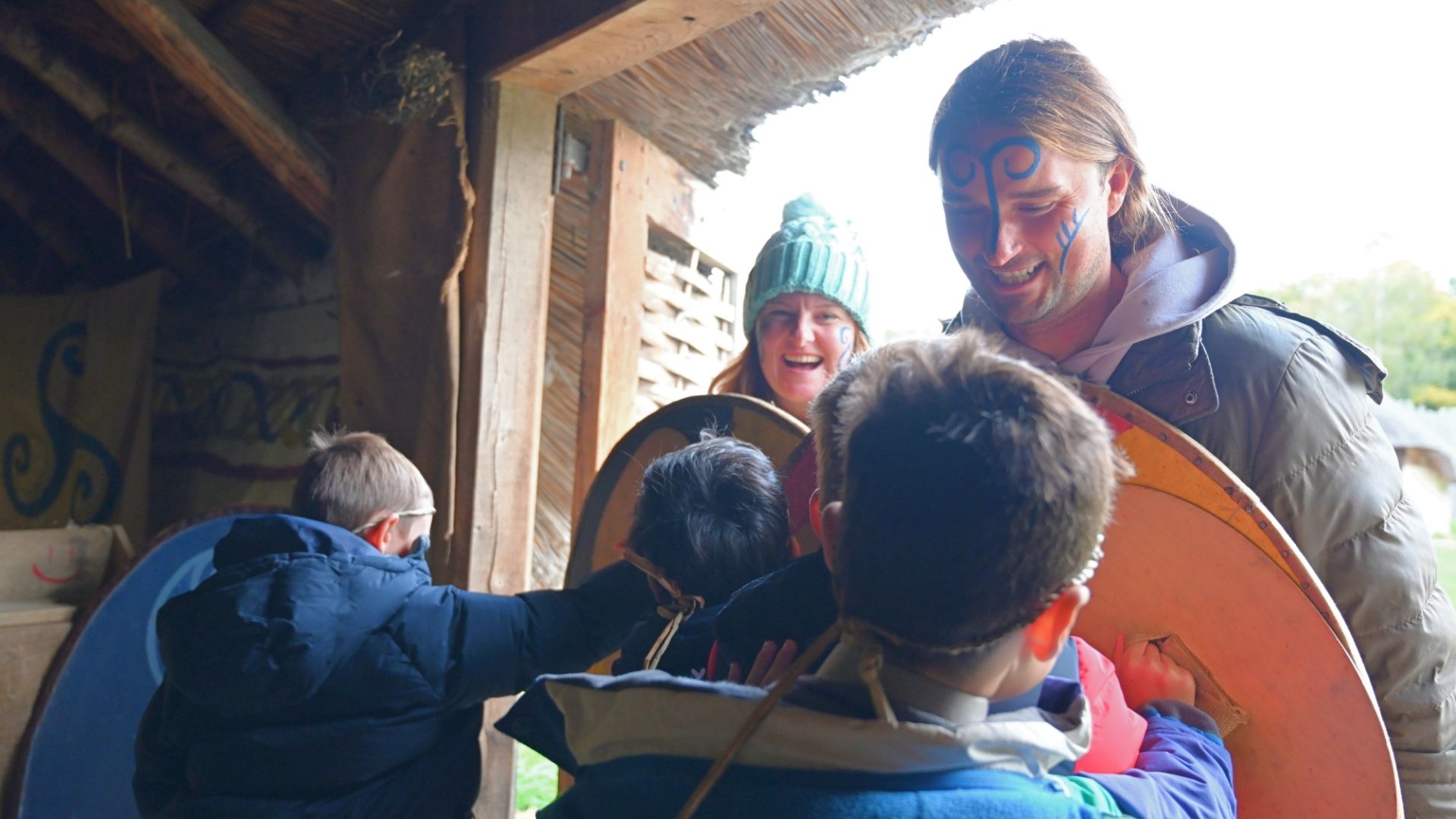
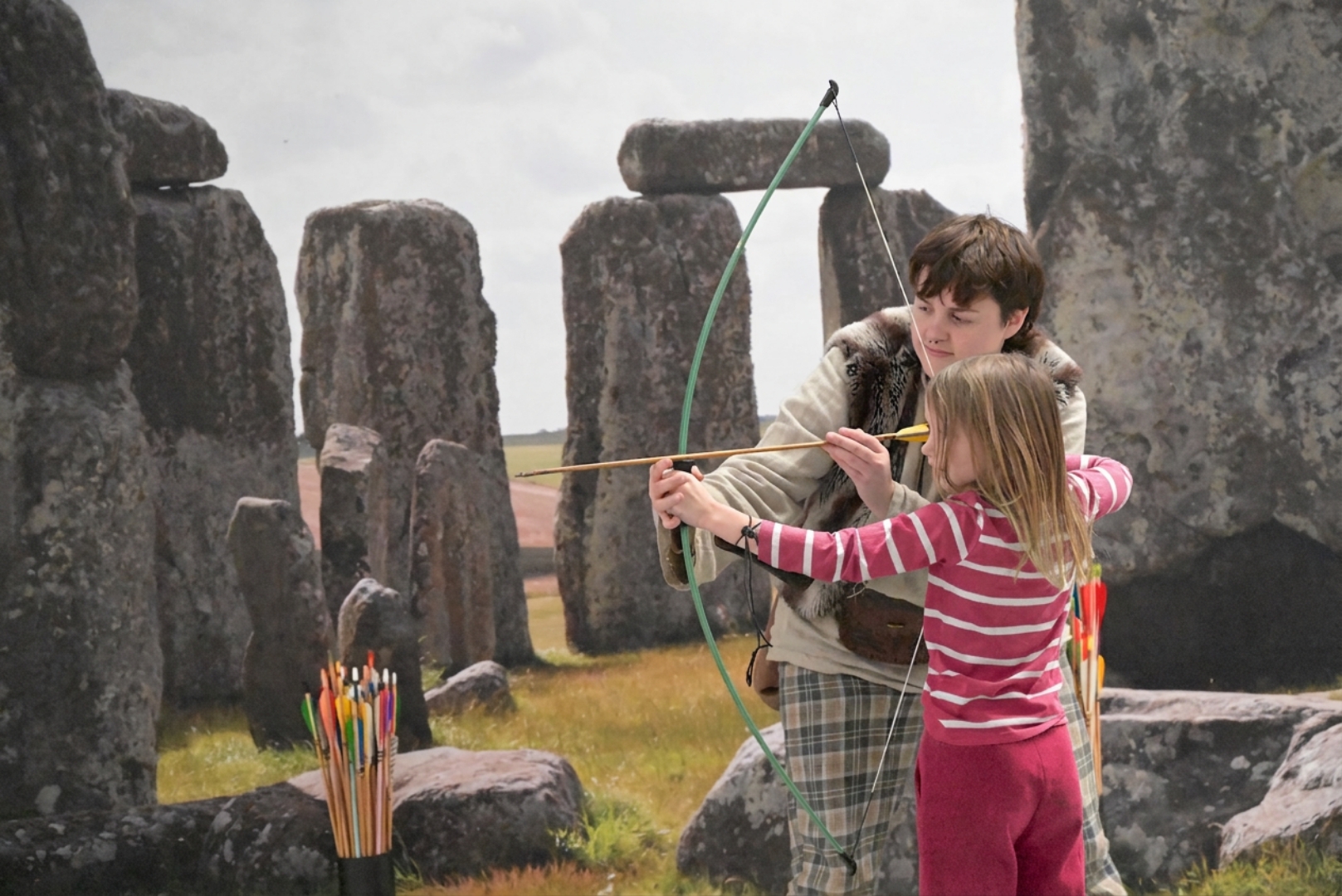
Other experiences introduce Celtic warfare, archery, woodland exploration and creative activities inspired by prehistoric art.
Schools can choose from themed day trips suited to Early Years, Key Stage 2 and selected Key Stage 3 groups.
Why Choose Celtic Harmony for a School Trip?
Celtic Harmony offers an immersive approach to prehistory education, allowing pupils to experience aspects of ancient life rather than simply learn about them in the classroom.
Set within reconstructed roundhouses and woodland, its programmes bring to life the changes in Britain from the Stone Age to the Iron Age, as well as the impact of the Roman invasion.
Each group is accompanied by a costumed Prehistory Educator who guides pupils through practical activities, demonstrations and historical challenges.
From making pottery and grinding grain to exploring ancient crafts and taking part in woodland quests, pupils can investigate how prehistoric communities used natural resources, developed technologies and organised their daily lives.
The hands-on approach encourages historical enquiry, teamwork, communication, creativity and problem-solving, while outdoor activities provide opportunities to develop confidence and independence.
Celtic Harmony has provided outdoor heritage education for more than 25 years and holds the Learning Outside the Classroom Quality Badge.
Curriculum Links and Learning Outcomes
Celtic Harmony’s day trips are particularly relevant to the Key Stage 2 History curriculum, including changes in Britain from the Stone Age to the Iron Age and the Roman invasion of Britain.
Learning opportunities include:
- History: Hunter-gatherers, early farming, Neolithic settlements, Skara Brae, Bronze Age pottery and metalworking, Iron Age hillforts, tribal kingdoms, Celtic society and the Roman invasion.
- Art & Design: Cave paintings, prehistoric pottery, torc bracelets, natural pigments, weaving and creative work inspired by archaeological evidence.
- Design & Technology: Building shelters, working with natural materials, food preparation, weaving and the development of prehistoric tools and technologies.
- Science (STEM): Materials, natural resources, fire, plants, food preparation, woodland habitats and changes in technology.
- Geography: Woodland environments, natural resources, settlements and how prehistoric communities adapted to their surroundings.
- Mathematics: Problem-solving, counting and exchanging goods through prehistoric trading and bartering activities.
- Physical Education: Archery, movement, coordination and outdoor challenges within selected programmes.
The Woodsman Day provides additional opportunities for Early Years pupils to explore nature, develop creativity and practise working together through Forest School-inspired activities.
Across the programmes, pupils can develop historical understanding, observational skills, communication, cooperation and confidence through practical learning.
Accreditations, Awards and Staff Expertise
Celtic Harmony holds the Learning Outside the Classroom (LOtC) Quality Badge, recognising the quality of its outdoor educational provision.
The venue also publishes information about its adventure activity safety standards, including Adventuremark and Adventure Activities Licensing Authority (AALA) accreditation.
School groups are led by costumed Prehistory Educators who deliver practical learning activities, demonstrations and historical interpretation.
The team includes staff with experience in outdoor education, prehistoric crafts, archery and supporting pupils with additional learning needs.
Staff undergo enhanced DBS checks, and activities are supported by risk assessments and established health and safety procedures.
School Group Sizes and Supervision
Celtic Harmony accommodates up to 150 pupils per day, with larger groups considered individually.
School parties are generally divided into groups of up to 30 pupils, each accompanied by a costumed Prehistory Educator. Some activities involve smaller teams, such as the Chieftain Day, where pupils work in clans of approximately 15.
Adult supervision: Schools must provide at least one accompanying adult for every eight pupils, with additional dedicated support for pupils who require one-to-one supervision.
Adult helpers and carers attend day trips free of charge.
School staff remain responsible for pupil supervision, behaviour and pastoral care throughout the day, including during lunch breaks and educator-led activities.
A minimum booking value applies to day trips rather than a fixed minimum number of pupils. Smaller school groups should contact Celtic Harmony to discuss the cost of their chosen programme.
Workshops, Outreach Programmes, Teacher Resources and Itineraries
Celtic Harmony offers a range of educator-led day trips exploring life in prehistoric Britain, combining historical demonstrations, practical crafts and outdoor activities.
Most school day trips run from approximately 10am until 2.30pm or 3pm. An extended Stone to Iron Age Experience is also available until 8pm.
Stone Age Day — Key Stage 2
Could your pupils survive the Stone Age?
This immersive programme introduces life as Neolithic hunter-gatherers, exploring how prehistoric communities found food, made tools and built shelters.
Activities include:
- Watching a friction fire-lighting demonstration.
- Gathering food in the woodland and cooking with prehistoric herbs.
- Building a woodland shelter using natural materials.
- Watching a flint-knapping demonstration and investigating Stone Age tools.
- Taking part in a mammoth hunt and prehistoric trading activities.
Curriculum links: KS2 History, Stone Age Britain, hunter-gatherers and early technology.
Prehistory Experience — Key Stage 2
Travel through the Stone, Bronze and Iron Ages in one immersive educational day.
Pupils begin with a demonstration exploring technological change from stone tools to iron, including examples of metal ores.
They then take part in practical activities representing different periods of prehistory:
- Investigating Stone Age flint tools and hunting techniques.
- Making a Bronze Age Beaker pot.
- Grinding grain using Iron Age quern stones and preparing dough.
- Taking part in trading and bartering activities using replica artefacts.
Curriculum links: KS2 History, changes in Britain from the Stone Age to the Iron Age, materials and technology.
Iron Age Farmer Day — Key Stage 2
Discover how Iron Age communities lived off the land through farming, food preparation, weaving and traditional crafts.
Taking on the role of members of the Catuvellauni tribe, pupils investigate the skills required to maintain a prehistoric settlement.
Activities include:
- Grinding grain on quern stones to prepare bread.
- Weaving yarn using traditional looms.
- Making torc bracelets using twisted yarn and natural dyes.
- Preparing food with foraged plants and herbs.
- Taking part in prehistoric trading and bartering.
Curriculum links: KS2 History, Iron Age farming, tribal communities, Design & Technology and traditional crafts.
Boudicca Warrior Day — Key Stage 2
The Romans are coming, and Boudicca is calling on the Celtic tribes to defend their land!
Pupils become members of a Celtic clan and complete a series of challenges inspired by the Roman invasion of Britain.
Activities include:
- Training as Celtic warriors.
- Learning target archery.
- Completing Boudicca’s woodland quest.
- Making torc bracelets and using Celtic-inspired face paint.
- Trading and bartering to earn Celtic gold coins.
The programme concludes with the recognition of the winning clan, encouraging teamwork, communication and problem-solving.
Curriculum links: KS2 History, Celtic Britain, Boudicca and the Roman invasion.
Art in Prehistory — Key Stages 2–3
Discover prehistoric creativity through a practical journey from Palaeolithic cave art to Bronze Age pottery and Iron Age jewellery.
Pupils explore how early communities used natural materials to create art, objects and symbols.
Activities include:
- Exploring the Palaeolithic Cave exhibition and creating cave-inspired artwork.
- Making a Bronze Age Beaker pot.
- Creating a torc bracelet inspired by prehistoric metalworking.
- Exploring Celtic symbols and decorative techniques.
- Taking part in prehistoric trading and bartering.
Each pupil creates three artefacts to take home.
Curriculum links: History, Art & Design, prehistoric cultures and materials.
Woodsman Day — Nursery, Reception and EYFS
Woodsman Day introduces younger children to woodland exploration through creative, sensory and practical activities.
Designed by Celtic Harmony’s Forest School practitioners, the programme encourages pupils to investigate natural materials, develop imagination and work together.
Activities include:
- Making salt-dough minibeasts.
- Building miniature wooden boats and floating them on the pond.
- Creating clay faces on trees.
- Making journey ropes while exploring the woodland.
The day encourages creativity, communication, cooperation and curiosity about the natural world.
Learning links: EYFS Understanding the World, Expressive Arts and Design, Communication and Language, and Physical Development.
Chieftain Day — Key Stages 2–3
Could your pupils become leaders of their own Celtic clan?
Chieftain Day combines historical learning with outdoor challenges, teamwork and practical skills inspired by Iron Age Britain.
Pupils work in clans of approximately 15, earning Celtic coins as they complete activities.
Challenges include:
- Target archery and hunting archery practice.
- Fire-lighting without matches.
- Making traditional torc bracelets.
- Completing a woodland quest.
- Trading and bartering using replica goods and Celtic coins.
The programme encourages leadership, teamwork, resilience and problem-solving alongside learning about Iron Age culture.
Curriculum links: History, physical coordination, communication and teamwork.
Stone to Iron Age Experience — Key Stages 2–3
This extended day combines activities from the Stone Age and Boudicca Warrior programmes, taking pupils on a journey through prehistoric Britain.
The morning focuses on Stone Age survival skills, including fire-lighting, shelter building, flint tools and hunting.
During the afternoon, pupils explore Iron Age society through warrior training, archery, woodland challenges and trading activities.
The experience continues into the evening with team games, storytelling and marshmallow roasting in the Chieftain Roundhouse.
Duration: Approximately 10am–8pm.
An afternoon snack and cooked evening meal are included. Schools must provide a packed lunch.
This is an extended day visit rather than a residential stay.
Teacher Resources and Visit Planning
After booking, schools receive a complimentary Teacher Pack containing their visit information, activity itinerary and practical guidance.
Celtic Harmony also offers a Prehistory Hands-On Activity Book, featuring 18 activities inspired by Stone, Bronze and Iron Age Britain.
The Education Team can help schools plan their visit around the chosen programme, pupil ages and learning requirements.
Celtic Harmony also offers residential school trips involving overnight stays in reconstructed roundhouses. Schools interested in residential visits can find further details on the separate Celtic Harmony Camp residential listing.
Risk Assessments, Safeguarding and Safety
Celtic Harmony uses risk assessments and established safety procedures to manage its educational activities.
Risk-assessment information is available to schools, with relevant guidance included in the Teacher Pack supplied following booking.
Activities involving fire-lighting, flint tools, archery, woodland exploration and traditional crafts are led by trained educators, with appropriate safety instructions and supervision.
Staff undergo enhanced DBS checks, and trained first-aiders are available on site. First-aid facilities are provided in the Prehistory Centre and café, with a defibrillator also available.
Schools must provide a minimum adult-to-pupil supervision ratio of 1:8, with additional support for pupils requiring individual supervision.
Celtic Harmony staff do not replace school supervision and must not be left alone with pupils.
The site includes woodland pathways, natural ground surfaces and open-air activities. Schools should consider uneven ground, changing weather conditions and the requirements of their chosen programme when preparing their own risk assessments.
Teachers should communicate relevant medical conditions, allergies, safeguarding requirements and additional learning needs before visiting.
How Can Schools Book a Visit?
School day trips to Celtic Harmony Camp should be booked in advance using the online school booking form.
Teachers can select their preferred programme and available date, then provide information about their school, pupil numbers, age groups, accompanying adults and any medical or accessibility requirements.
The booking system displays available dates, with places allocated on a first-come, first-served basis.
Submitting the booking form constitutes a booking request subject to Celtic Harmony’s written acceptance and booking conditions. A confirmation and complimentary Teacher Pack are normally issued within 24 hours.
School enquiries: schools@celticharmony.org
Telephone: 01438 718543
Schools should review the published payment, cancellation and amendment terms before confirming their booking. A cancellation charge may apply after the booking has been confirmed, with further charges possible for late cancellations.
Schools should contact the team directly when arranging particularly large groups, pupils with additional requirements or visits needing a customised itinerary.
How Much Does a School Trip to Celtic Harmony Cost?
Celtic Harmony offers several educational day trips, with prices depending on the programme selected.
Published school day-trip prices:
- Woodsman Day (EYFS): £17 + VAT per pupil.
- Stone Age Day (KS2): £20 + VAT per pupil.
- Prehistory Experience (KS2): £20 + VAT per pupil.
- Iron Age Farmer Day (KS2): £20 + VAT per pupil.
- Art in Prehistory (KS2–KS3): £20 + VAT per pupil.
- Boudicca Warrior Day (KS2): £25 + VAT per pupil.
- Chieftain Day (KS2–KS3): £30 + VAT per pupil.
- Stone to Iron Age Experience (KS2–KS3): £70 + VAT per pupil, including an extended programme until 8pm, an afternoon snack and evening meal.
A minimum booking value of £400 + VAT applies to day trips.
Accompanying adults and carers: Free admission is provided for adult helpers and carers. Schools must provide at least one supervising adult per eight pupils, with additional dedicated support where required.
Booking and Payment Conditions
Schools should review Celtic Harmony’s published terms before booking, including cancellation deadlines, payment requirements and conditions for changing pupil numbers.
The booking page currently advertises a cancellation administration charge, while additional charges may apply closer to the visit date.
School Visit Bursaries
Celtic Harmony has operated the Wellbeing Through Prehistory bursary, supporting eligible pupils receiving Free School Meals to attend educational visits.
Funding availability varies, and the current status should be confirmed directly with Celtic Harmony before schools rely on bursary support.
All published programme prices and offers are subject to change. Schools should confirm the final VAT-inclusive amount and any applicable booking conditions when arranging their visit.
Facilities and Practical Information for School Groups
Celtic Harmony Camp is located at Brickendon Lane, Brickendon, Hertfordshire, SG13 8NY, approximately ten minutes’ drive from Hertford.
Parking and transport: Free on-site parking is available, including designated disabled parking spaces. Schools travelling by coach should confirm vehicle access and arrival arrangements in advance.
Public transport: Bayford railway station is approximately a 20–30-minute walk from the camp. The walk includes country roads, so schools should assess whether it is suitable for their group or arrange alternative transport.
Lunch facilities: Pupils should bring packed lunches for standard school day trips. Picnic tables and seating are available around the site, with indoor or sheltered spaces provided according to the programme and weather conditions.
Café: The on-site café serves hot drinks and snacks during school visits, normally between 12.15pm and 1.15pm. Drinking water is available.
Toilets and washing facilities: The site provides a step-free toilet block with flushing toilets, handwashing facilities and an accessible toilet with a shower and baby-changing facilities. Additional toilets are available elsewhere on site.
Shop: The trading post offers Celtic-themed gifts and souvenirs. Some programmes include a trading activity in which pupils can exchange pocket money for Celtic coins to purchase items.
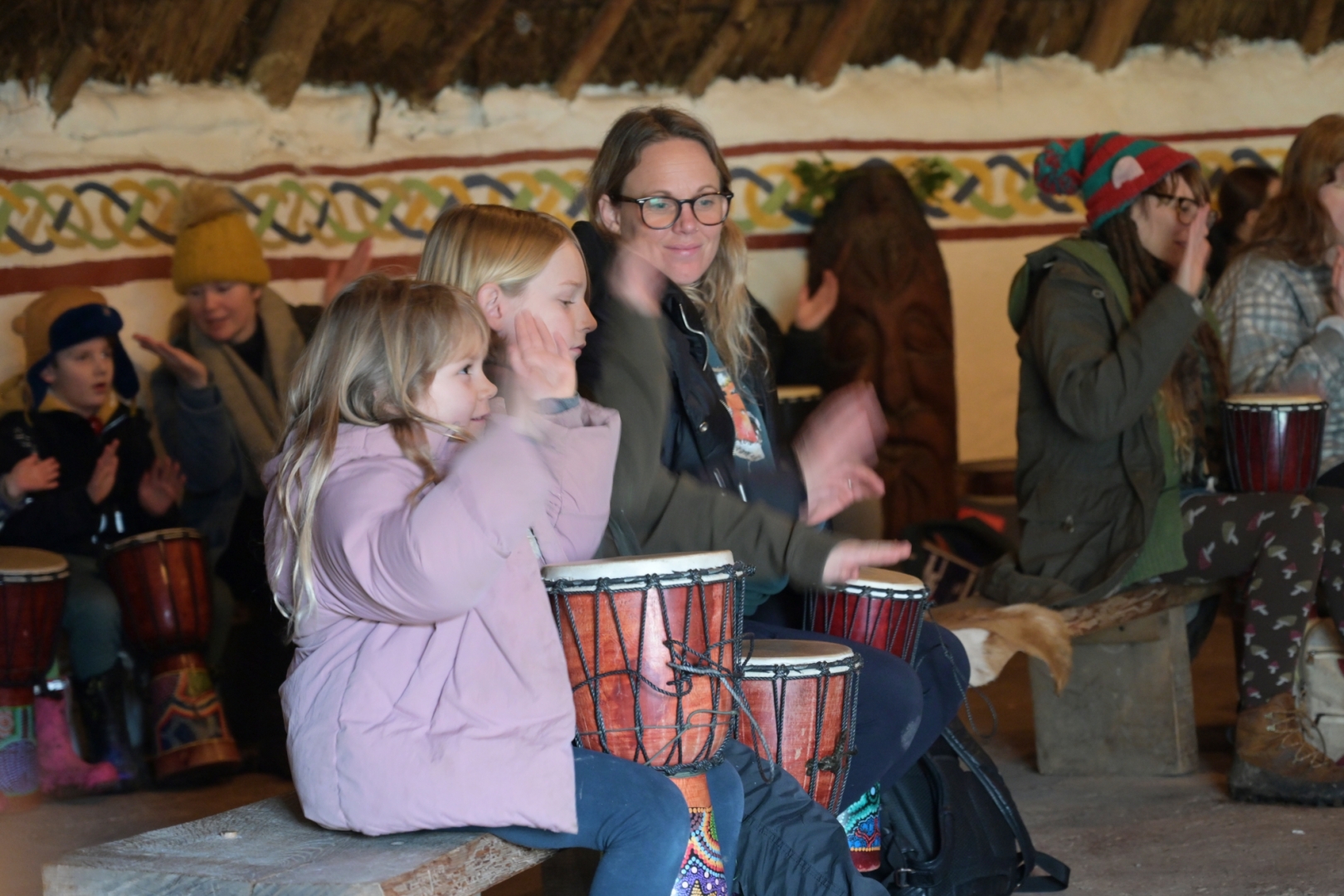
Indoor and outdoor learning spaces: Reconstructed roundhouses, the Prehistory Centre and woodland areas provide settings for workshops and educational activities. Heated indoor spaces are available during colder weather.
Clothing and footwear: Pupils should wear sturdy outdoor shoes or wellington boots and comfortable clothing suitable for practical activities. Waterproof clothing is recommended during wet weather, with sun protection needed during warmer periods.
What to bring: Packed lunch, drinking water, weather-appropriate clothing and any necessary medication. Additional requirements will be provided in the Teacher Pack.
Accessibility and SEND Support
Celtic Harmony welcomes pupils with Special Educational Needs and Disabilities (SEND) and can adapt educational activities to suit different abilities and learning requirements.
The camp offers step-free access through its main facilities, although some woodland paths and natural surfaces may be uneven or muddy in wet weather.
Accessibility facilities include:
- Step-free access to the main camp and reconstructed roundhouses.
- Accessible toilet facilities with grab rails, an emergency pull cord and shower.
- Designated disabled parking spaces.
- Alternative vehicle access closer to the camp entrance by prior arrangement for visitors with mobility difficulties.
- Woodland pathways suitable for wheelchair access, although some surfaces may be uneven.
- Heated indoor spaces and seating throughout the site.
- Adaptable lighting arrangements within the roundhouses where required.
Celtic Harmony also offers customised activities and flexible arrangements for pupils who require additional support.
For example, pupils who may find fire-lighting, flint-knapping or other practical activities difficult can discuss alternative ways to participate with the Education Team.
Learning activities can be adapted to support sensory needs, different abilities and individual learning objectives.
Teachers should contact Celtic Harmony before booking to discuss wheelchair access, activity suitability, medical requirements and any specific adjustments needed for their group.
School Visit Availability, Opening Hours and Duration
Celtic Harmony offers school day trips Monday to Friday by advance booking, subject to availability.
Most educational programmes run from approximately 10am until 2.30pm or 3pm, providing around four and a half to five hours of practical learning and outdoor activities.
The Stone to Iron Age Experience is an extended day programme, running from approximately 10am until 8pm, with afternoon and evening activities and a cooked evening meal.
Schools should arrive at the time confirmed in their Teacher Pack and follow the itinerary provided by the Education Team.
As activities take place across reconstructed historical buildings and woodland, schools should prepare for outdoor learning in changing weather conditions. Heated indoor areas are available, but the balance of indoor and outdoor activities varies by programme.
Available dates can be checked using Celtic Harmony’s online booking calendar. Schools should confirm current programme availability before arranging transport.
Attraction Facilities
Group Facilities
Accessibility
Opening hours
Staff on site & security 24 hours during Residential trips. Normal opening hours: 9-5pm
Pricing
From £20.40 per pupil
Address
Celtic Harmony Camp, Brickendon Lane, Brickendon, Near Hertford, SG13 8NY
Related Attractions


Opening hours
Staff on site & security 24 hours during Residential trips. Normal opening hours: 9-5pm
Pricing
From £20.40 per pupil
Address
Celtic Harmony Camp, Brickendon Lane, Brickendon, Near Hertford, SG13 8NY
Related Attractions
