Spring brings a noticeable change to the world outside the classroom. Days become longer, temperatures rise, plants begin to grow, wildlife becomes more active and landscapes start to transform after winter.

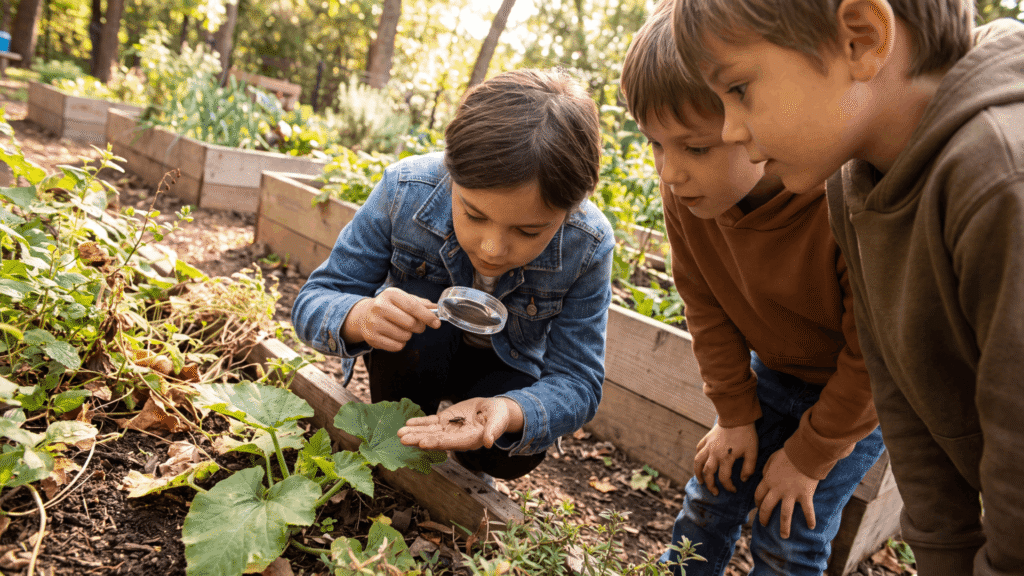
Spring brings a noticeable change to the world outside the classroom. Days become longer, temperatures rise, plants begin to grow, wildlife becomes more active and landscapes start to transform after winter.
For schools, this makes the spring term an excellent opportunity for learning outside the classroom. A spring school trip can turn topics such as life cycles, habitats, food production, geography, history and environmental science into experiences pupils can see and investigate for themselves.
Rather than simply choosing a destination that is open during the spring term, consider what pupils can experience **because it is spring**.
A garden becomes a lesson in plant growth. A nature reserve can reveal returning and migrating birds. A farm can show the start of a new agricultural cycle. A river or coastline provides an opportunity to investigate changing weather and landscapes.
The key question when planning a spring educational visit is:
What can pupils see, investigate or experience here that is particularly relevant to spring?
Spring offers some of the clearest examples of change in the natural world, making it particularly valuable for science, geography and environmental learning.
Spring provides pupils with opportunities to observe growth and reproduction happening around them.
Plants begin to flower, trees develop new leaves, insects emerge and many animals begin breeding. Birds return from migration or become more active as they establish territories and build nests.
These changes provide real-world examples of topics such as life cycles, adaptation, habitats, pollination and food chains.
As daylight increases, schools have greater flexibility for outdoor visits and fieldwork.
Pupils can spend longer outside observing landscapes, carrying out surveys, recording weather conditions or exploring larger outdoor sites without the practical constraints of the shorter winter days.
Spring is particularly useful for demonstrating processes that can otherwise feel abstract.
Instead of simply learning about germination, pupils can observe plants growing. Instead of learning about biodiversity from photographs, they can investigate a habitat becoming increasingly active.
A spring visit can therefore become the middle part of a longer investigation, with pupils making observations before, during and after the trip.
Spring is one of the best seasons for exploring the natural world.
Woodlands, gardens, parks, nature reserves, wetlands and wildlife centres can all provide opportunities to investigate the changes taking place around pupils.
Depending on the destination, pupils might investigate:
A nature reserve, for example, can become a practical fieldwork environment. Rather than simply walking around the site, pupils could carry out a biodiversity survey, identify different species or record evidence of seasonal changes.
Gardens and parks can offer similar opportunities, particularly for younger pupils studying plants and living things.
Spring also provides a useful opportunity to return to a location later in the year. Comparing observations from spring with those made during an autumn or summer visit can help pupils understand how habitats change through the seasons.
Spring weather and changing landscapes provide plenty of opportunities for geography fieldwork.
Increased rainfall, melting snow in upland areas and changing temperatures can all influence rivers, landscapes and habitats.
Depending on the location, pupils could investigate:
A river visit could involve measuring or observing water flow, identifying features of the river channel and considering how the landscape has been shaped by water.
At the coast, pupils can investigate erosion, sediment, coastal management and the relationship between settlements and the physical environment.
Spring can also be a useful time for landscape comparisons. Pupils may be able to see how vegetation, farmland and habitats respond to changing temperatures and rainfall.
Spring marks the beginning of a new agricultural cycle, making it an excellent time to explore farming and food production.
Working farms, agricultural museums, country estates and gardens can show pupils how crops and livestock are managed as the growing season begins.
Younger pupils might investigate:
Older pupils can explore more complex issues including agricultural technology, sustainable farming, land management, food security and the environmental impact of food production.
A spring farm visit can also connect several curriculum areas. Pupils might study the science of plant growth, the geography of land use and the history of how farming methods have changed.
The theme of growth and change extends naturally into science.
Science centres, museums, laboratories, botanical gardens, zoos and environmental centres can all provide hands-on opportunities for pupils to investigate scientific processes.
Spring can provide useful curriculum hooks around:
For younger pupils, hands-on activities involving seeds, plants, insects and habitats can make foundational science topics much more tangible.
For older pupils, spring can provide a starting point for more complex investigations into ecosystems, conservation, climate change and environmental management.
Gardens are particularly valuable educational destinations during the spring term because pupils can see the growing season developing around them.
Botanical gardens, historic gardens, community growing projects and country estates can provide opportunities to investigate how plants are grown, classified and managed.
A garden visit could include activities such as:
Gardens can also provide an excellent link between Science and Art & Design. Pupils can study colour, shape, texture and composition while observing plants and landscapes at a time of year when they are changing rapidly.
Spring may not have the same obvious historical associations as some other times of year, but historic sites can still provide valuable opportunities for experiential learning.
Historic houses, castles, museums, industrial heritage sites and living-history attractions allow pupils to explore how people lived, worked and interacted with their environment.
Country estates and historic farms can be particularly useful for investigating:
Spring gardens can also provide a fascinating historical perspective. Pupils can investigate how wealthy estates were designed, how gardens were maintained and how changing fashions influenced the landscapes around historic houses.
Historic industrial sites can provide a contrasting experience, showing how technological development transformed landscapes and communities.
With longer days and generally milder conditions, spring is an excellent time for outdoor education.
Outdoor centres, forest schools and activity providers can offer opportunities for:
For schools, these visits can provide more than physical activity. Outdoor challenges encourage communication, teamwork, problem-solving, confidence and independence.
Spring can also be a useful point in the school year for pupils to apply skills they have developed during the autumn and winter terms.
Different parts of the UK offer different opportunities for spring learning.
Yorkshire combines gardens, woodland, farms, wildlife, rivers, historic estates and outdoor centres, offering a wide range of spring experiences.
The Lake District provides opportunities to explore landscapes, rivers, wildlife, conservation and outdoor education as the landscape begins to emerge from winter.
Norfolk and Suffolk offer wetlands, wildlife reserves, agricultural landscapes and coastal environments that are particularly valuable for studying habitats and birdlife.
The New Forest provides opportunities to investigate woodland ecology, biodiversity, conservation and traditional land management.
The Peak District combines upland landscapes, rivers, wildlife, geology and outdoor education.
Wales offers forests, mountains, rivers and outdoor activity centres, making it well suited to geography, environmental studies and residential visits.
Wherever the school is located, looking at what is happening in the landscape during spring can reveal educational opportunities that may not be as obvious at other times of year.
The most effective spring school trips are connected to learning before pupils leave the school gates.
Give pupils a question to investigate.
For example:
How is this habitat changing as spring begins?
Or:
What evidence can we find that plants and animals are responding to the changing season?
Introducing the topic beforehand gives pupils something specific to look for during the visit.
Ask pupils to gather evidence.
They could identify plants and animals, record weather conditions, sketch landscapes, photograph changes, carry out a biodiversity survey or speak to a guide or specialist.
The aim is to make pupils active participants rather than passive visitors.
Use what pupils discovered as evidence for further classroom learning.
They could compare their findings with their original predictions, analyse data, create presentations, produce fieldwork reports or investigate a question raised during the visit.
The trip then becomes part of a learning sequence rather than simply a day away from school.
Spring weather can still be unpredictable, particularly early in the term, so outdoor visits should be planned with appropriate clothing and contingency arrangements.
Check whether venues offer indoor alternatives and consider accessibility, ground conditions and the suitability of activities for different weather conditions.
Spring can also be a busy period for gardens, farms, outdoor centres and popular attractions as the visitor season gets underway, so booking early can help schools secure their preferred dates and programmes.
Most importantly, start with the learning opportunity.
Think about what is happening in the world outside the classroom during spring, then find the destination that allows pupils to experience it first-hand.
From wildlife reserves and botanical gardens to farms, museums, historic estates, science centres and outdoor activity providers, spring offers countless opportunities to turn the changing season into meaningful learning.
Educational Visits UK helps teachers discover educational attractions and activities across the UK, with destinations searchable by **region, subject and type of visit**.
Explore our school trip ideas and find a spring visit that brings the curriculum to life.
Share on social media...

Get your free Educational Visits Guide today. Our guides are packed with planning tips, venue ideas, safety checklists, and curriculum linked trip inspiration. Download it now and make your next school trip a smooth, safe and memorable trip.
Is your attraction, museum, or educational service missing from our website?
Advertising with us is the easiest way to get noticed by the teachers and school groups planning trips and activities across the country. Our platform is trusted by educators who are looking for engaging experiences, venues, and resources for their students.
By showcasing your business with us, you’ll reach a highly targeted audience, increase your visibility, and attract more bookings. Whether you run a museum, gallery, activity centre, or any venue that hosts educational visits, we make it simple to promote what you offer.
Contact us today and start connecting with the schools that matter most.

