Spring brings a noticeable change to the world outside the classroom. Days become longer, temperatures rise, plants begin to grow, wildlife becomes more active and landscapes start to transform after winter.

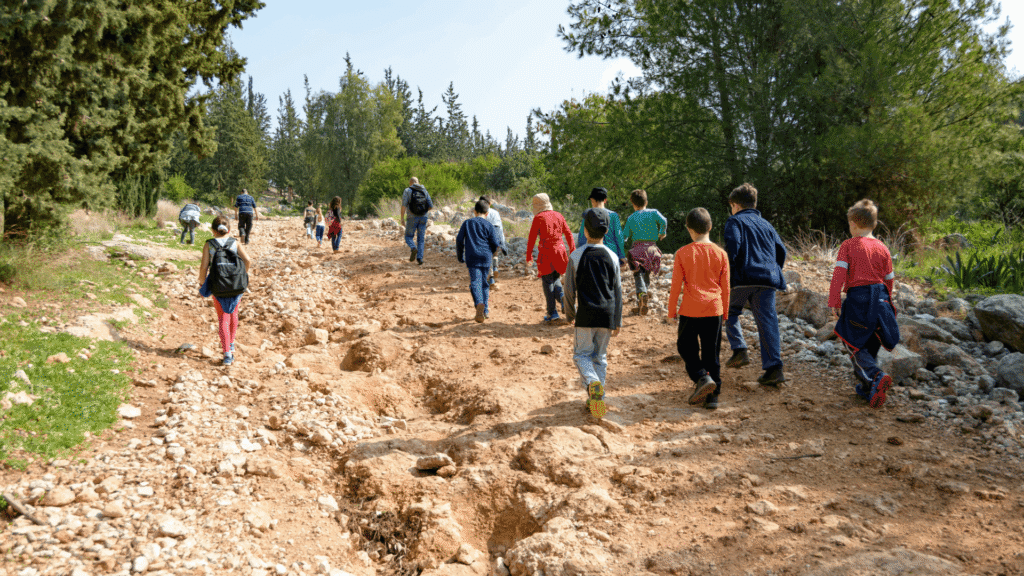
Spring brings a noticeable change to the world outside the classroom. Days become longer, temperatures rise, plants begin to grow, wildlife becomes more active and landscapes start to transform after winter.
The summer term brings longer days, warmer weather and more opportunities to take learning outside the classroom. From fieldwork and wildlife studies to outdoor adventure, historic sites and cultural experiences, summer can offer some of the most varied educational visits of the school year.
But a summer school trip doesn’t have to mean a theme park, beach day or end-of-year reward. The season itself creates opportunities for pupils to investigate the natural world, explore landscapes, experience outdoor activities and apply classroom learning in real-world settings.
The key question when planning a summer educational visit is:
What can pupils experience here because it is summer?
Summer offers some obvious practical advantages for educational visits, but it also creates distinctive learning opportunities.
Longer daylight hours give schools greater flexibility for outdoor activities and fieldwork.
Pupils can spend more time exploring large outdoor sites, carrying out surveys, walking trails, undertaking geographical fieldwork or taking part in practical activities.
For residential visits, the longer evenings also create opportunities for activities after dinner, including outdoor games, nature walks, stargazing and team challenges.
Summer is an ideal time to move lessons outdoors.
The natural world is at its most active, landscapes are accessible and outdoor environments can provide opportunities to observe, measure, compare and investigate.
A school trip to a woodland, coast, farm or nature reserve can therefore become a practical extension of classroom learning.
Summer visits can also help pupils consolidate what they have learned during the year.
Instead of introducing a new topic, teachers can use an educational visit to bring together ideas pupils have already encountered in Science, Geography, History, PE or other subjects.
For some year groups, particularly those approaching the end of primary or secondary school, a summer visit can also provide a memorable shared experience before pupils move on to their next stage of education.
Summer provides excellent opportunities to explore habitats and wildlife.
Woodlands, wetlands, nature reserves, gardens, farms and wildlife centres can offer pupils the chance to observe ecosystems when plants are growing and wildlife is highly active.
Depending on the destination, pupils could investigate:
A nature reserve visit could become a practical biodiversity investigation, with pupils recording the species they encounter and comparing different habitats.
At a botanical garden, pupils could investigate plant adaptations, pollination and the conditions plants need to thrive.
For younger pupils, simply observing insects, flowers and wildlife can provide a valuable introduction to living things and seasonal change.
Longer days and generally better weather make summer particularly well suited to geographical fieldwork.
Coasts, rivers, mountains, countryside and urban environments can all become outdoor classrooms.
Pupils could investigate:
Coastal visits can be particularly effective because pupils can see geographical processes and human responses to them in the same location.
A beach or coastline might provide opportunities to study erosion, sediment, coastal defences, tourism and marine habitats.
Urban fieldwork can similarly allow pupils to investigate how towns and cities are planned, how land is used and how different communities interact with their environment.
Summer is an important period in the agricultural calendar and can provide opportunities to explore where food comes from.
Working farms, agricultural museums, country estates and rural attractions can help pupils understand crops, livestock, farming technology and the relationship between agriculture and the environment.
Depending on the age of the pupils, a visit could explore:
For younger children, farm visits can provide a memorable introduction to food production and animal care.
For older pupils, the same environment can support more complex discussions about sustainability, food security, land management and the environmental impact of agriculture.
Summer is not only about outdoor learning. Science centres, museums, laboratories and technology attractions can provide valuable hands-on experiences throughout the term.
Outdoor science opportunities can include:
Indoor science and STEM attractions can complement this with opportunities to investigate physics, engineering, technology, space and scientific discovery.
Combining a practical outdoor experience with a science centre or specialist workshop can be particularly effective for pupils studying how scientific principles are applied in the real world.
Historic sites can be particularly enjoyable to explore during the summer months, but the educational value goes beyond simply walking around a historic building.
Castles, historic houses, museums, Roman sites, industrial heritage attractions and living-history experiences can give pupils opportunities to investigate the people, technology and societies that shaped Britain’s past.
Historic outdoor sites can allow pupils to explore:
Living-history activities can be especially effective because pupils can see demonstrations, handle objects, observe traditional crafts and experience aspects of everyday life rather than simply reading about them.
Historic gardens and estates can also link History with Geography, Science and Art & Design by exploring landscape design, plant cultivation and changing attitudes towards the natural environment.
Summer provides some of the widest opportunities for outdoor education.
Outdoor activity centres, forest schools and residential providers can offer experiences including:
These activities can develop more than physical skills. Pupils may also develop communication, leadership, problem-solving, independence and resilience.
Residential visits can take this further by giving pupils responsibility for themselves and encouraging them to work together away from their usual school environment.
For younger pupils, a day of outdoor activities can provide a manageable introduction to adventure and teamwork. For older pupils, residential and challenge programmes can offer opportunities for leadership and personal development.
Summer is an obvious time to take advantage of the UK’s coastline, rivers and lakes.
Watersports providers can combine physical activity with learning about the aquatic environment, while coastal attractions can introduce pupils to marine ecosystems, conservation and geography.
Depending on the destination, pupils could explore:
A coastal visit doesn’t have to be purely recreational. With the right programme, a day beside the sea can combine Science, Geography, PE and environmental education.
Summer also provides opportunities to take creative subjects beyond the classroom.
Museums, galleries, sculpture parks, historic buildings, theatres and cultural venues can provide inspiration for Art, Design, Drama, Music and English.
Outdoor spaces can be particularly useful for creative activities. Pupils might sketch landscapes, study sculpture, photograph architecture, create field recordings or use a historic environment as inspiration for creative writing.
The physical experience of seeing original artworks, historic objects or performances can also provide a different perspective from reproductions and recordings used in the classroom.
Different regions offer different opportunities for summer learning.
Yorkshire combines coast, countryside, gardens, wildlife, heritage, outdoor activity and cultural attractions, making it particularly versatile for summer visits.
The Lake District offers opportunities for outdoor education, walking, watersports, geography, conservation and landscape studies.
Devon and Cornwall provide coastal environments, marine wildlife, geology, watersports and opportunities to explore tourism and coastal communities.
Norfolk and Suffolk offer beaches, wetlands, wildlife reserves, farms and historic sites.
Wales combines mountains, forests, rivers, coastlines and outdoor activity centres, making it particularly suited to residential and adventure learning.
**London** provides museums, galleries, historic sites, science attractions, parks and urban geography opportunities, with many options suitable for summer day visits.
## How to Turn a Summer Trip into an Experiential Lesson
The best summer school trips are planned as part of the learning rather than treated as a break from it.
Set the context and give pupils something to investigate.
A Geography group visiting the coast could investigate how the coastline has changed. A Science class visiting a nature reserve could predict which habitats will contain the greatest biodiversity.
Get pupils actively involved.
They might measure, sketch, photograph, record, identify, map, question or interview.
The more pupils interact with their surroundings, the more evidence they have to use afterwards.
Bring the experience back into the classroom.
Pupils could analyse fieldwork data, create presentations, produce artwork, write reports or compare their findings with information they studied before the visit.
The result is a trip that becomes part of the curriculum rather than simply a day away from school.
Summer is a popular time for educational visits, so booking early is particularly important.
Attractions, outdoor centres, farms, museums and activity providers can become busy during the final weeks of the school year, while residential centres and watersports providers may have limited availability.
Weather is another consideration. Even in summer, schools should plan for rain, sun and changing conditions. Check whether pupils need suitable footwear, sun protection or additional clothing and make sure activities have appropriate contingency arrangements.
For outdoor visits, consider accessibility, shade, drinking water, toilet facilities and the availability of indoor spaces where appropriate.
Most importantly, don’t assume that a summer trip needs to be purely recreational.
Use the season to find experiences that allow pupils to see, investigate and apply what they have learned throughout the year.
Find Summer School Trip Ideas with Educational Visits UK
From wildlife reserves and beaches to farms, museums, gardens, science centres and outdoor activity providers, summer offers countless opportunities to take learning beyond the classroom.
Educational Visits UK helps teachers discover educational attractions and activities across the UK, with destinations searchable by **region, subject and type of visit**.
Explore our school trip ideas and find a summer visit that turns the longer days and active landscapes of the season into meaningful learning.
Share on social media...

Get your free Educational Visits Guide today. Our guides are packed with planning tips, venue ideas, safety checklists, and curriculum linked trip inspiration. Download it now and make your next school trip a smooth, safe and memorable trip.
Is your attraction, museum, or educational service missing from our website?
Advertising with us is the easiest way to get noticed by the teachers and school groups planning trips and activities across the country. Our platform is trusted by educators who are looking for engaging experiences, venues, and resources for their students.
By showcasing your business with us, you’ll reach a highly targeted audience, increase your visibility, and attract more bookings. Whether you run a museum, gallery, activity centre, or any venue that hosts educational visits, we make it simple to promote what you offer.
Contact us today and start connecting with the schools that matter most.

