Held each year in October, World Food Day raises awareness of global food issues, including food security, sustainable agriculture and the importance of access to nutritious food. For schools, it provides an excellent opportunity to explore topics linked to science, geography, food technology, nutrition, sustainability and environmental education.
Whether pupils are visiting a working farm, exploring historic food production, taking part in a cooking workshop or learning about the impact of agriculture on the environment, there are plenty of inspiring World Food Day school trip ideas to choose from.
Why Choose a World Food Day School Trip?
Food is something that every pupil encounters every day, but many children may have limited understanding of where their food comes from or how it reaches their plate.
A World Food Day school trip can help pupils explore the journey food takes from production to consumption while developing a better understanding of the people, processes and resources involved.
Educational visits can help pupils:
- Understand where different foods come from
- Learn about farming and food production
- Explore healthy eating and nutrition
- Discover the journey from farm to fork
- Learn about sustainability and environmental challenges
- Understand food waste and the importance of reducing it
- Explore food supply chains and food miles
- Discover careers in farming, food production and environmental science
A visit can also provide a valuable opportunity to connect different areas of the curriculum through a subject that is familiar and relevant to every pupil.
Visit a Farm and Discover Where Food Comes From
One of the best ways to celebrate World Food Day is to take pupils directly to the source of the food they eat.
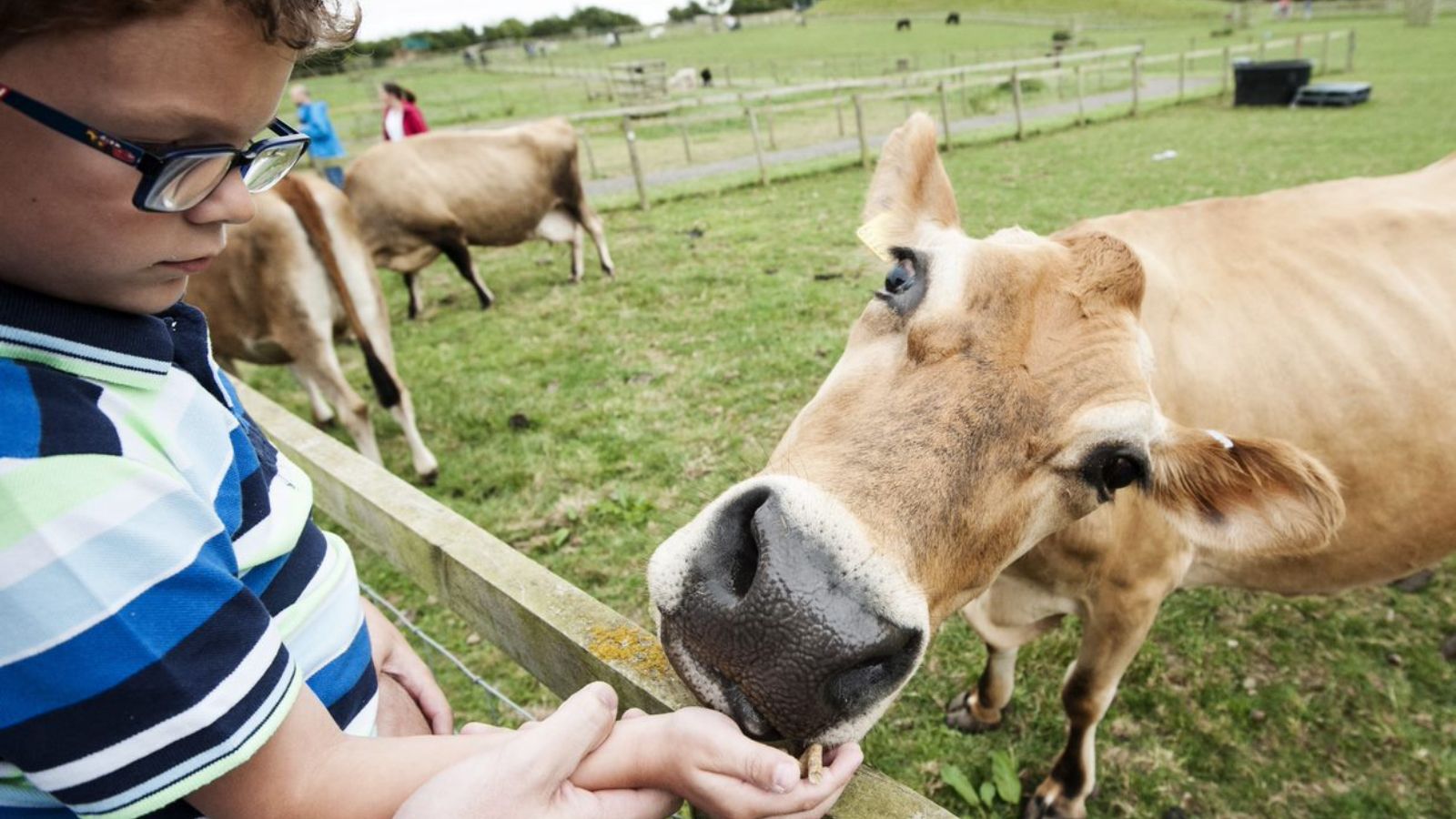
Farm visits can help pupils understand how food is produced and introduce them to the animals, crops, people and processes involved in agriculture. Depending on the type of farm, pupils may learn about livestock, fruit and vegetables, seasonal food and the changing nature of modern farming.
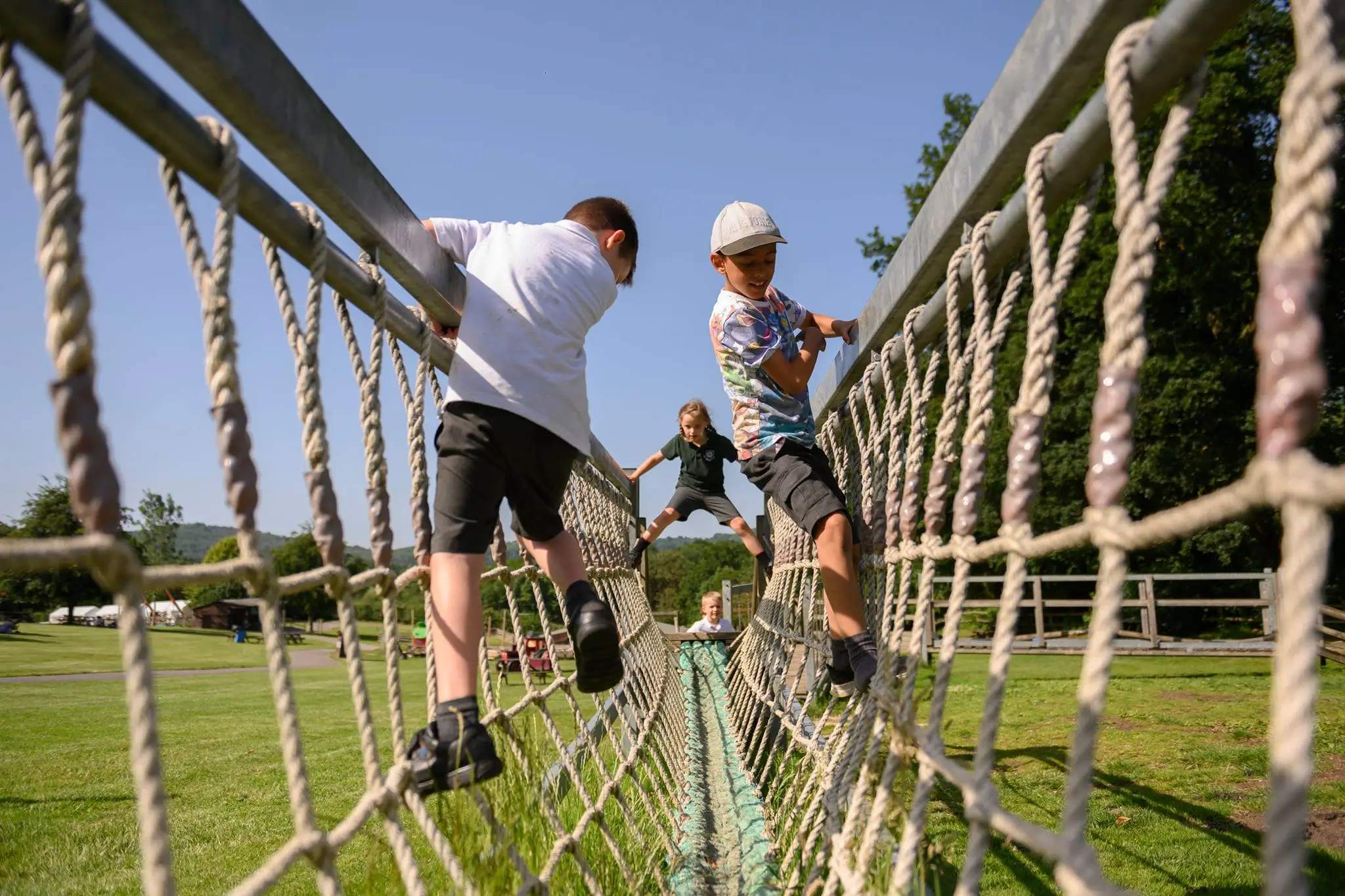
At National Forest Adventure Farm, pupils can discover more about farm life and the animals and activities connected to the countryside. A visit can provide younger pupils with a memorable introduction to where food comes from and the role farms play in producing it.
Godstone Farm also provides an opportunity for pupils to explore farm life and learn more about animals, agriculture and the countryside. Farm visits can help children make a direct connection between the food they eat and the land and animals involved in its production.
Outdoor education experiences can also help pupils understand the wider relationship between people, food and the natural world. At Ferry Meadows Outdoor Education Centre, pupils can engage with outdoor learning and explore themes connected to the environment, nature and sustainability.
A farm or outdoor education school trip can help pupils explore:
- How crops are grown
- How livestock is cared for
- The importance of seasonal food
- The role of farmers
- The importance of soil, water and weather
- The relationship between farming and the natural environment
- Explore Gardens, Growing and Sustainable Food
Plants and gardens provide another excellent way for schools to explore food production and sustainability.
Pupils can learn how plants grow, where fruits and vegetables come from and the importance of soil, water, sunlight and biodiversity. Gardens can also provide valuable opportunities to explore the relationship between food production and the wider environment.
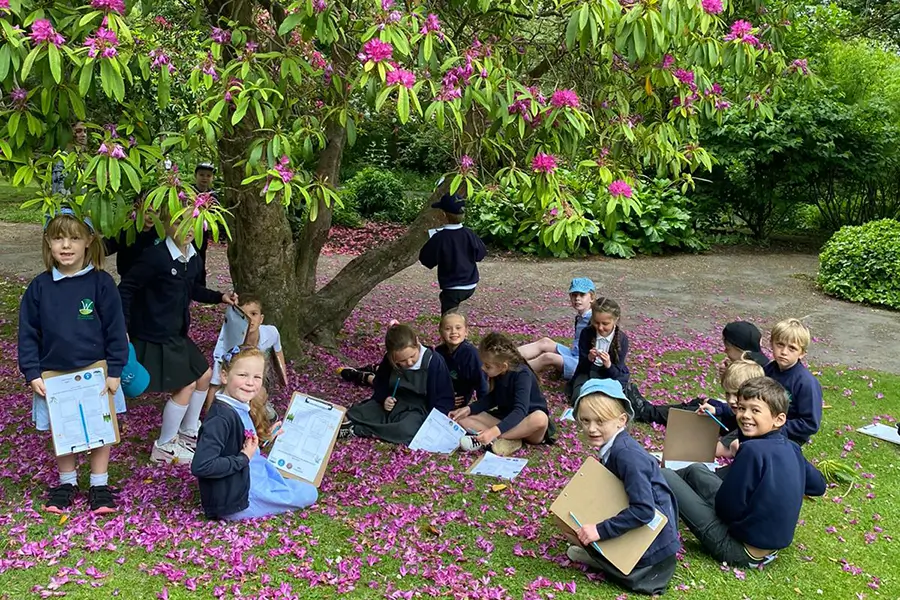
At RHS Garden Harlow Carr, pupils can explore the world of horticulture, plants and gardens while learning about the importance of the natural environment. Educational visits to gardens can help children understand how plants grow and the role that horticulture plays in producing food and supporting biodiversity.
The Sheffield Botanical Gardens Education Programme offers another opportunity for pupils to explore plants, nature and the environment through educational learning. Gardens can provide a valuable setting for exploring topics ranging from plant science and growing to biodiversity and sustainability.
At Trentham Estate, pupils can explore the natural processes that support food production through curriculum-linked programmes covering pollination, plant growth and food chains. Younger pupils can discover how flowers and pollinators work together, while older pupils can explore how plants grow and how food chains support wider ecosystems. These experiences provide a valuable insight into the connections between plants, animals, habitats and the food we rely on.
Discover the Journey from Farm to Fork
A World Food Day school trip can also be used to explore the journey food takes before it reaches the consumer.
The journey from farm to fork may involve:
- Growing or producing food
- Harvesting
- Processing
- Packaging
- Transporting
- Selling
- Preparing and consuming
This provides an excellent opportunity for pupils to understand that the food they eat may pass through many different stages before reaching their plate.
A visit to a farm, food producer, market or food-related attraction can help pupils understand the different stages of the food supply chain.
For older pupils, the farm-to-fork journey can also provide an opportunity to explore food miles, global trade, supply chains and the environmental impact of food production.
Discover How Food Has Been Produced Throughout History
Food production has changed significantly over time. Before modern factories and advanced agricultural machinery, communities relied on traditional methods and technologies to grow, process and preserve food.
Historic attractions can provide a fascinating insight into these earlier methods of food production.
At Woodbridge Tide Mill Museum, pupils can explore the history of milling and discover how the power of the tide was used to process grain. This provides a fascinating link between food production, engineering, renewable energy and the history of technology.
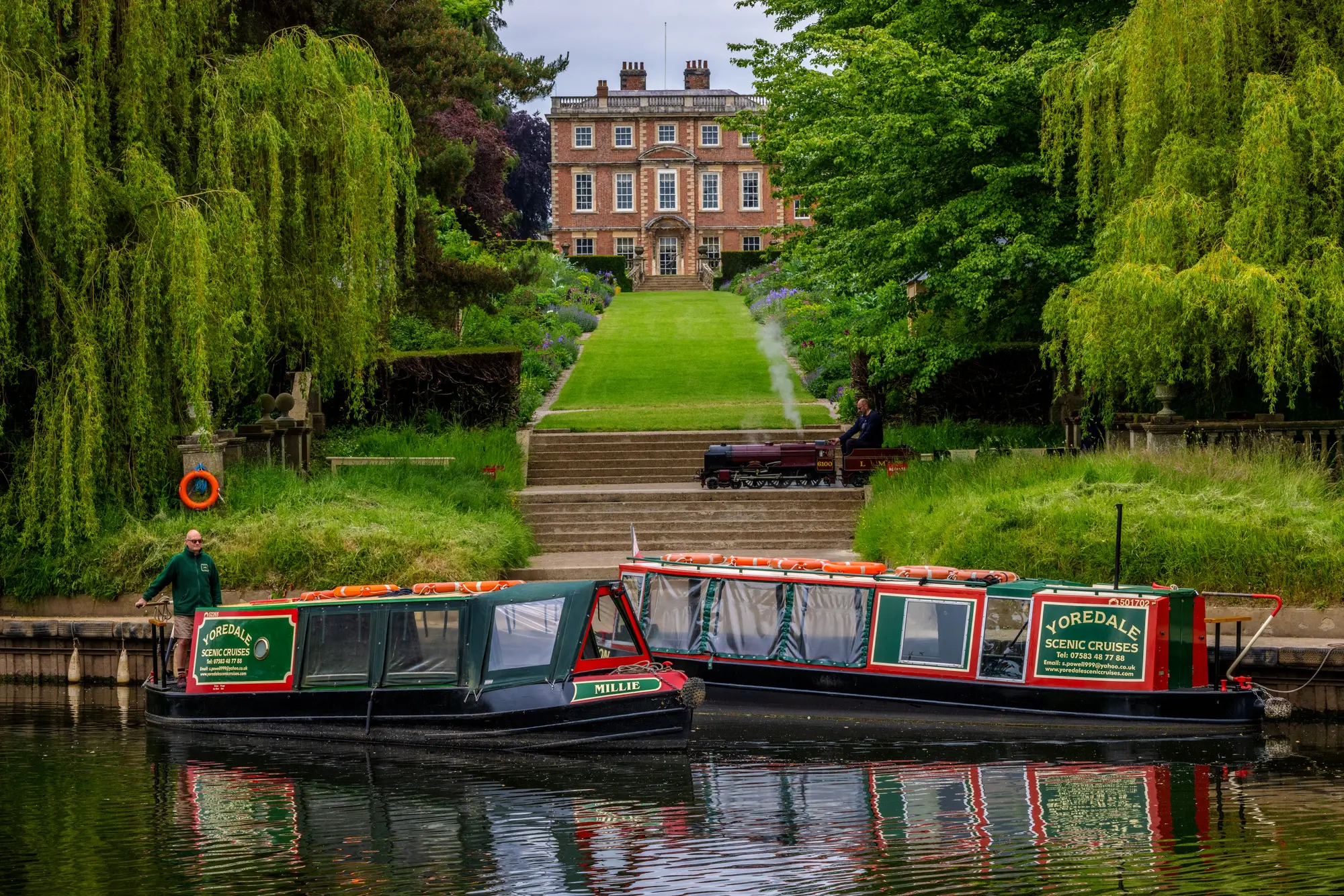
Historic houses can also provide fascinating insights into how food, diet and food preparation have changed over time. At Burghley House, pupils can explore Tudor food and diet through a mock Tudor banquet, while Victorian workshops reveal more about historic kitchens and food. These experiences provide an engaging way to connect World Food Day with the history of food, health and changing eating habits.
These visits can help pupils understand that food production has always been closely connected to geography, technology, the environment and the development of human societies.
Learn About Food and Sustainability
Agriculture plays an important role in feeding the world’s population, but farming and food production can also have a significant impact on the environment.
World Food Day provides an excellent opportunity for pupils to explore how farmers, scientists and communities are working to produce food more sustainably.
Topics could include:
- Soil health
- Water use
- Biodiversity
- Crop production
- Organic farming
- Sustainable agriculture
- Climate change
- The impact of farming on the environment
The Eden Project provides an excellent setting for exploring the relationship between people, plants and the planet. Pupils can consider the importance of biodiversity and the environmental systems that support food production.
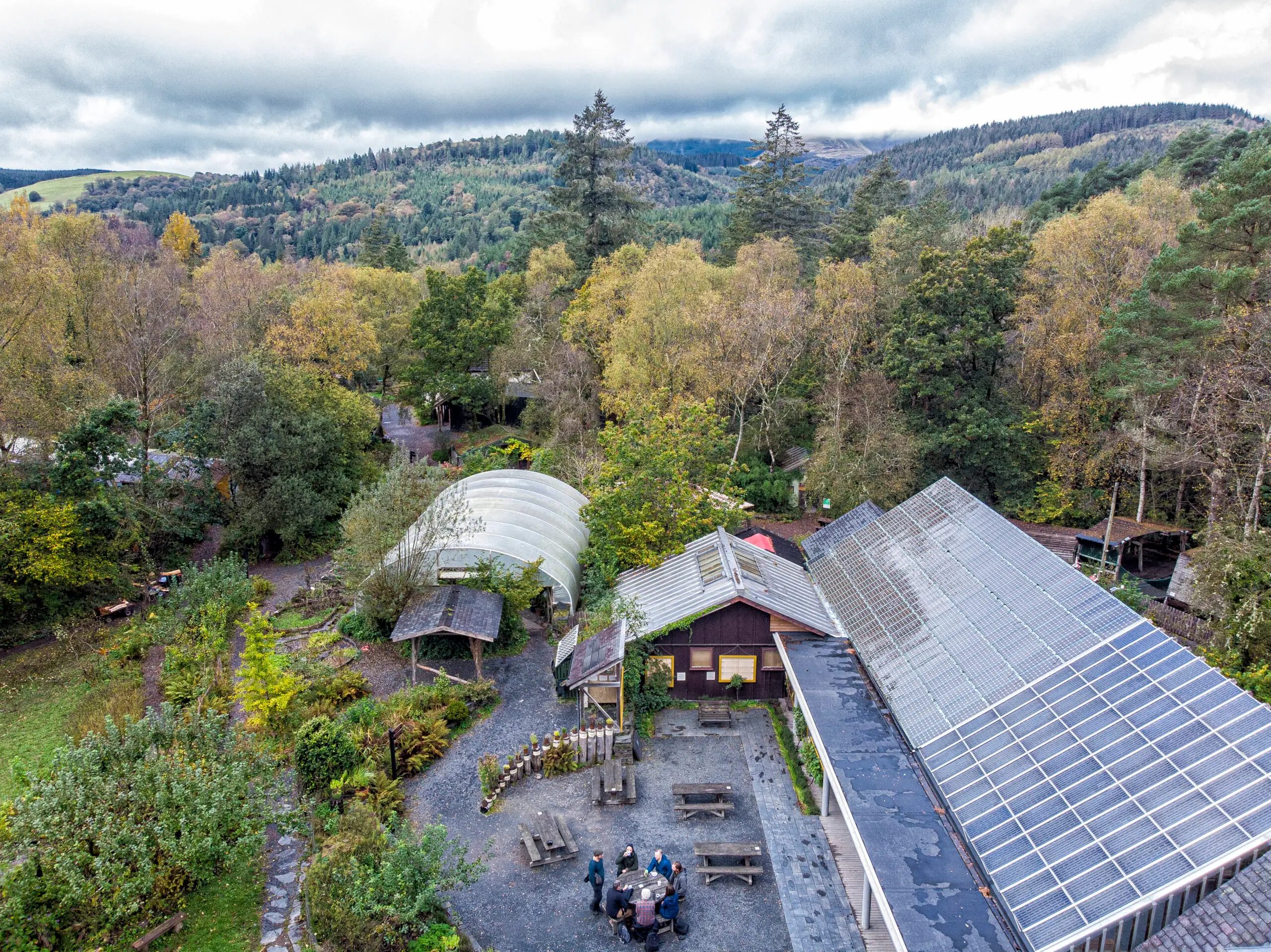
At the Centre for Alternative Technology, pupils can explore ideas around sustainable living and the use of resources. This can help students think about how society can respond to environmental challenges and create more sustainable ways of living in the future.
Explore Food Science and Nutrition
Food also provides an excellent opportunity to explore science.
Pupils can discover the science behind the food they eat and learn how food affects the human body. Depending on the attraction or educational experience, topics may include:
- Nutrition
- The human digestive system
- Food chemistry
- Microbiology
- Food preservation
- Food safety
- The science of cooking
Science centres can provide particularly engaging environments for exploring these topics.
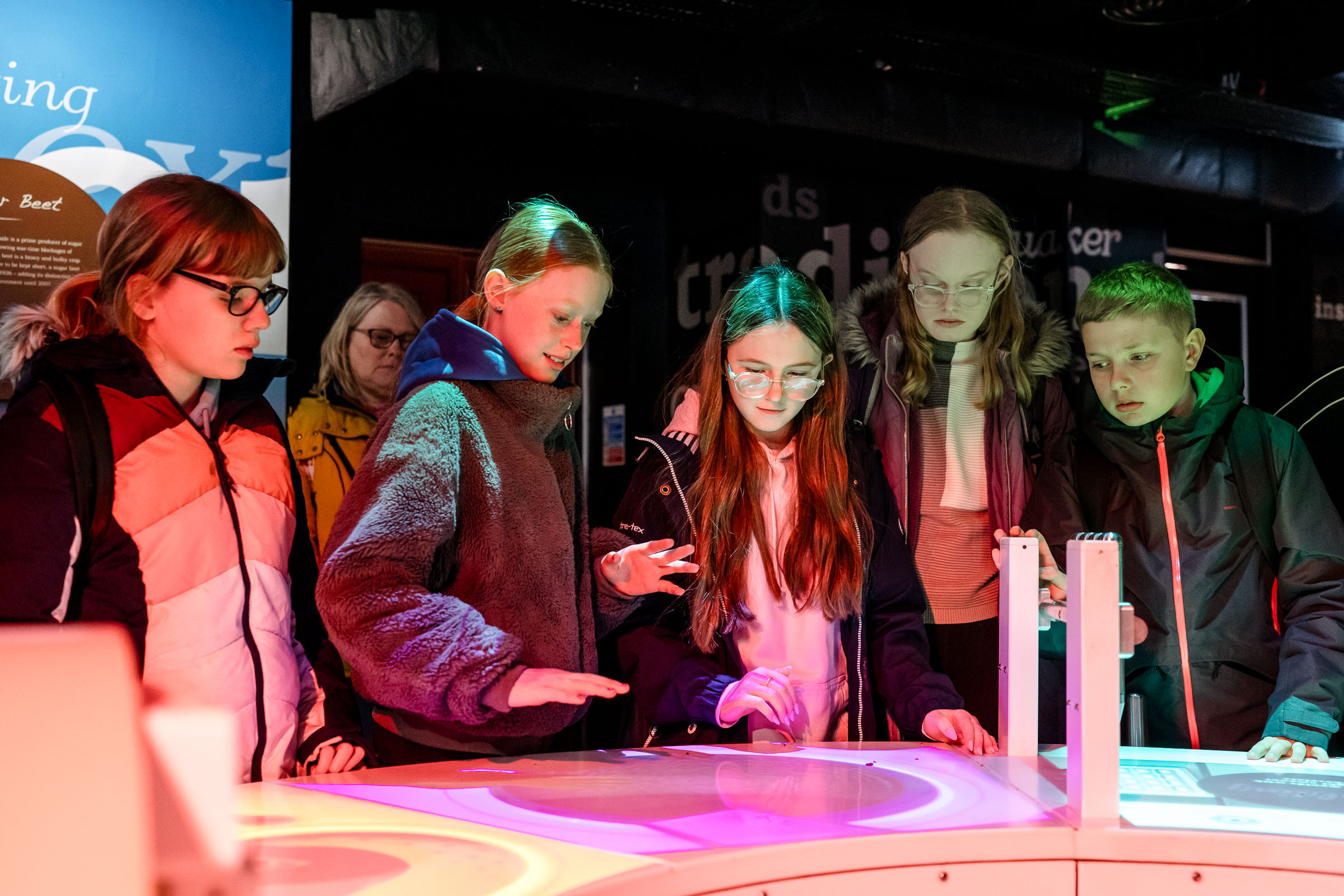
At We The Curious, pupils can explore science through interactive learning and hands-on discovery. A visit can help students connect scientific ideas with the world around them, including the science behind food, the human body and sustainability.
The Science Museum also provides opportunities for pupils to explore scientific and technological developments that have shaped the modern world. For older students, this can provide valuable links to science, technology, engineering and the wider systems involved in modern food production.
Explore Food, Culture and Geography
Food is also an excellent way to explore geography and the diversity of cultures around the world.
Different types of food are influenced by:
- Climate
- Soil
- Geography
- Natural resources
- Culture
- History
- Trade
A World Food Day school trip can help pupils explore how food production varies around the world and why different regions produce different crops and products.
Pupils can also explore how food connects communities and cultures. Traditional dishes, farming methods and food preparation techniques can all provide insights into the history and culture of different places.
Attractions with historic gardens, estates and food-related experiences can provide opportunities to explore how food, land and communities have developed over time.
Take Part in Cooking and Food Workshops
Hands-on food experiences can make a World Food Day school trip particularly memorable.
Depending on the attraction, pupils may have the opportunity to:
- Cook or bake
- Make bread
- Learn about chocolate production
- Explore food preparation
- Grow and harvest ingredients
- Take part in food tasting
- Discover traditional cooking methods
A visit to York’s Chocolate Story, for example, provides an engaging way to explore the production and history of chocolate while helping pupils understand the journey from ingredients to finished product.
Practical activities allow pupils to engage directly with the food they are learning about.
Cooking workshops can also help pupils develop useful skills while encouraging them to think about ingredients, nutrition and the journey food takes before it reaches the kitchen.
Discover the Science and Technology Behind Food Production
Modern food production relies on science, engineering and technology.
From agricultural machinery and irrigation systems to food processing and packaging, technology plays an important role in how food is produced and distributed.
A World Food Day school trip can provide opportunities to explore:
- Agricultural machinery
- Food processing
- Food technology
- Engineering
- Automation
- Sustainable farming technology
These topics can provide valuable links to STEM education and help pupils understand the range of careers involved in the food and farming industries.
World Food Day School Trips by Key Stage
EYFS and Key Stage 1
For younger pupils, World Food Day school trips can provide an introduction to the world of food and farming.
Suitable themes include:
- Where food comes from
- Farm animals
- Growing plants
- Fruit and vegetables
- Healthy eating
- Cooking and food preparation
Farm visits, gardens and hands-on food experiences can be particularly effective for younger children.
Key Stage 2
World Food Day provides excellent opportunities to support learning across the primary curriculum.
Pupils can explore:
- Farming and food production
- Plants and growing
- Food chains
- Healthy eating
- Geography
- Sustainability
- The journey from farm to fork
A visit to a farm, garden, food-related attraction or science centre can help pupils connect classroom learning with real-world experiences.
Key Stage 3 and Key Stage 4
Older pupils can explore more complex issues surrounding food production and sustainability.
Potential topics include:
- Food security
- Sustainable agriculture
- Climate change
- Global food supply chains
- Food miles
- Nutrition
- Food technology
- Agricultural science
A World Food Day school trip can provide an opportunity to explore the environmental, social and economic challenges associated with feeding a growing global population.
Why Visit for World Food Day?
Food is a subject that connects almost every area of the curriculum. World Food Day provides a useful focus for exploring the importance of food, farming, nutrition and sustainability.
A school trip can help pupils:
- Connect classroom learning with real-world experiences
- Understand where food comes from
- Explore the science behind food production
- Discover the challenges facing agriculture
- Think about sustainability and food waste
- Develop a greater appreciation of farming and food production
Schools can also use their visit as part of a wider programme of World Food Day learning, with pupils completing research, cooking activities, sustainability projects or food-related investigations before and after their trip.
Plan an Inspiring World Food Day School Trip
When planning a World Food Day school trip, consider which aspects of food and food production are most relevant to your pupils and the curriculum.
A farm visit may be ideal for pupils learning about agriculture and where food comes from, while a garden or environmental attraction could provide opportunities to explore plants, biodiversity and sustainability. Science centres and museums can provide opportunities to explore nutrition, food science and technology, while historic attractions can reveal how food has been produced and processed in the past.
It is also worth checking whether attractions offer:
- Curriculum-linked workshops
- Guided tours
- Hands-on activities
- Farm experiences
- Cooking workshops
- Educational talks
- Teacher resources
The best World Food Day school trips give pupils the opportunity to learn, explore and ask questions about the food they eat and the world around them.
Discover More Food, Farming & Sustainability School Trip Ideas
From working farms and historic food attractions to gardens, science centres, chocolate experiences and environmental educational visits, there are many ways to bring World Food Day to life.
Explore Educational Visits UK’s range of Food & Farming School Trips, Science School Trips, Geography School Trips and Environmental & Earth Science School Trips to discover educational visits that can support learning about food, agriculture and sustainability.
Whether pupils are discovering where their food comes from, learning about sustainable farming, exploring historic food production or investigating the science behind nutrition and food technology, a World Food Day school trip can provide a memorable and valuable educational experience.