Biology and Conservation School Trips: Curriculum Links
Biology school trips can support different areas of the science curriculum depending on pupils’ ages and learning objectives.
For primary schools, visits can reinforce learning about living things and their habitats, life cycles, food chains, classification and the ways animals and plants are suited to their environments.
At Key Stage 3 and GCSE level, students can explore ecosystems, biodiversity, adaptation, evolution, interdependence and the effects of human activity on the natural world.
For A-level Biology and other post-16 courses, suitable fieldwork locations may provide opportunities to practise ecological sampling, species identification, data recording and the interpretation of evidence.
Some conservation centres also introduce the role of genetics in protecting endangered species, including genetic diversity, breeding programmes and population management. These topics are best explored through educational sessions and case studies rather than animal observation alone.
Explore our Wildlife and Nature School Trips and Science and STEM School Trips for more curriculum-linked experiences.
Biology and Conservation School Trips in London & South East England
London Zoo, Regent’s Park
London Zoo offers opportunities for pupils to investigate wildlife, biodiversity and the challenges facing endangered species. Its animal collections and conservation work provide real examples of adaptation, animal behaviour and the relationship between species and their environments.
Students can compare animals from different habitats, observe feeding and social behaviours, and consider how zoological research contributes to conservation.
Curriculum links: Classification, adaptation, evolution, ecosystems, biodiversity and conservation.
School visit information: London Zoo offers educational sessions and resources for different age groups. The Secret Life of Reptiles and Amphibians provides opportunities to explore threatened species and their adaptations.
Planning tip: Select animal groups relevant to your curriculum and encourage pupils to compare their physical characteristics, habitats and behaviours. Check the current education programme before booking.
Kew Gardens, London
The Royal Botanic Gardens at Kew provide a fascinating setting for investigating plant biology, biodiversity and the conservation of threatened plant species.
Students can explore the differences between tropical and temperate environments, discover how plants adapt to different conditions and consider the importance of plants in supporting ecosystems and human life.
Curriculum links: Plant biology, photosynthesis, adaptation, classification, biodiversity, ecosystems and climate change.
School visit information: Kew offers curriculum-linked learning sessions and resources. The Palm House, Princess of Wales Conservatory and outdoor collections can support investigations into plant diversity, while The Hive installation explores the importance of pollinators.
Planning tip: Check planned glasshouse closures before arranging a visit. The Palm House is due to undergo major renovation work from 2027, so its availability will change.
Hobbledown Adventure Park and Zoo, Epsom
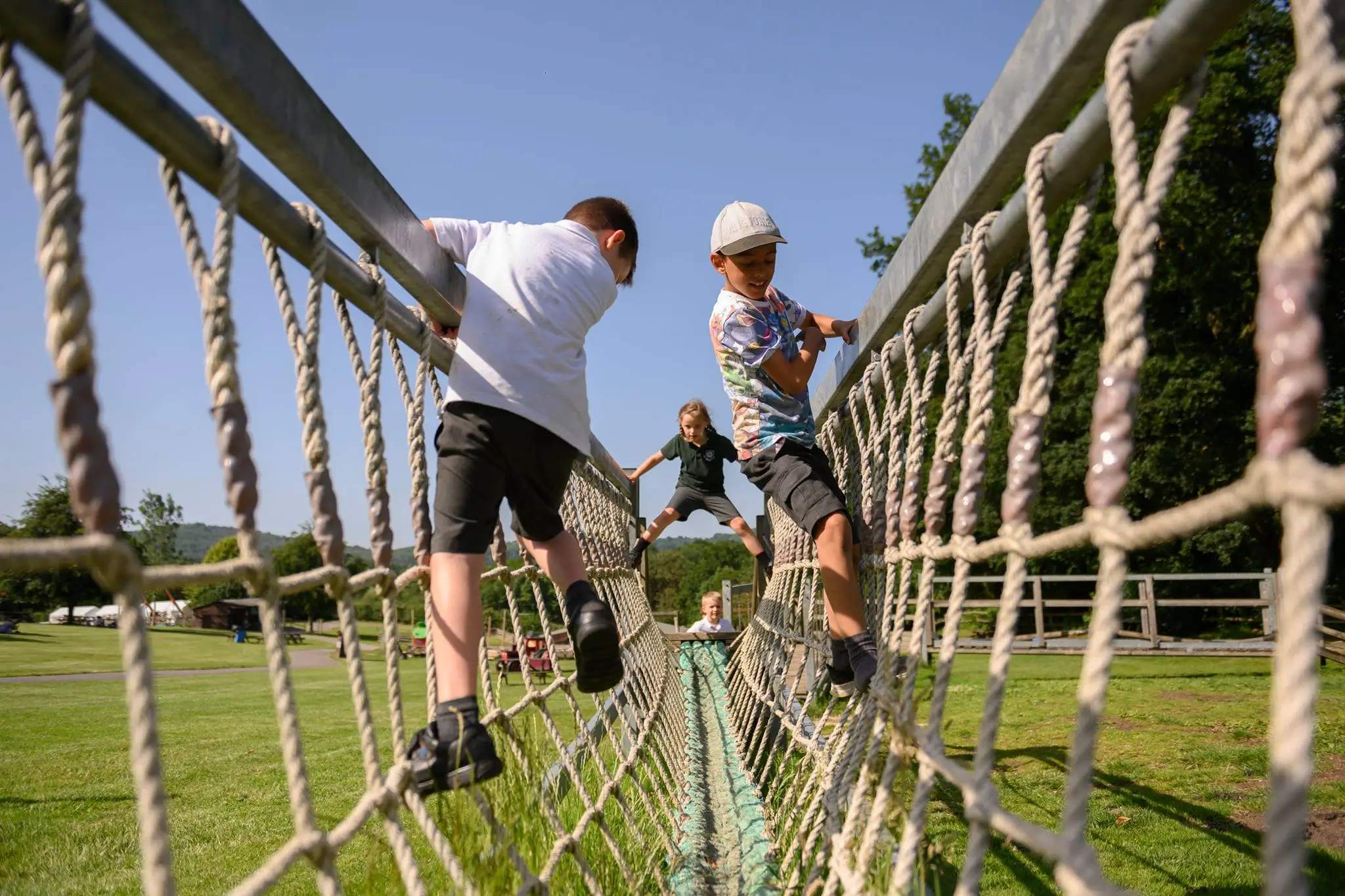
Hobbledown Adventure Park and Zoo combines animal encounters, curriculum-linked activities and outdoor exploration, making it a particularly engaging destination for younger pupils.
Schools can explore animal habitats, compare different species and learn how physical characteristics and behaviours help animals survive in their environments.
Curriculum links: Living things and their habitats, animal classification, adaptations, life cycles and environmental awareness.
School activities: Educational packages include guided animal tours, interactive animal experiences, habitats and adaptations sessions, and minibeast learning. Teacher resources and worksheets are also available.
Planning tip: Choose the educational package that best suits your pupils’ ages and curriculum topic. The visit can combine a structured learning session with time exploring the zoo and outdoor areas.
Hobbledown Heath, Hounslow
Hobbledown Heath offers another opportunity for London schools to combine animal learning with outdoor education.
Pupils can explore the zoo, observe farm and exotic animals, and discover how animals move, behave and adapt to different environments.
Curriculum links: Animals and habitats, adaptation, animal movement, classification, biology and environmental science.
School activities: Educational options include guided animal tours, interactive experiences, Animals in Motion, and Habitats and Adaptations. Sessions are designed for different ages, including Key Stages 1–3.
Planning tip: Check the age suitability of each session and allow time for pupils to explore the animal areas after their structured learning activity.
Woburn Safari Park, Bedfordshire
Woburn Safari Park allows pupils to observe animals from around the world while learning about habitats, adaptation and wildlife conservation.
School groups can travel through the Road Safari and explore the Foot Safari, observing different species and comparing how animals are suited to their environments.
Curriculum links: Classification, animal behaviour, adaptation, biodiversity, habitats and conservation.
School activities: Woburn’s education programme offers curriculum-linked sessions supported by animal artefacts, educational resources and classroom facilities. Its SENse the Safari classroom provides additional opportunities for accessible learning.
Planning tip: Arrange a teacher pre-visit where possible and check whether your group will travel through the Road Safari by coach or another suitable vehicle.
Godstone Farm, Surrey
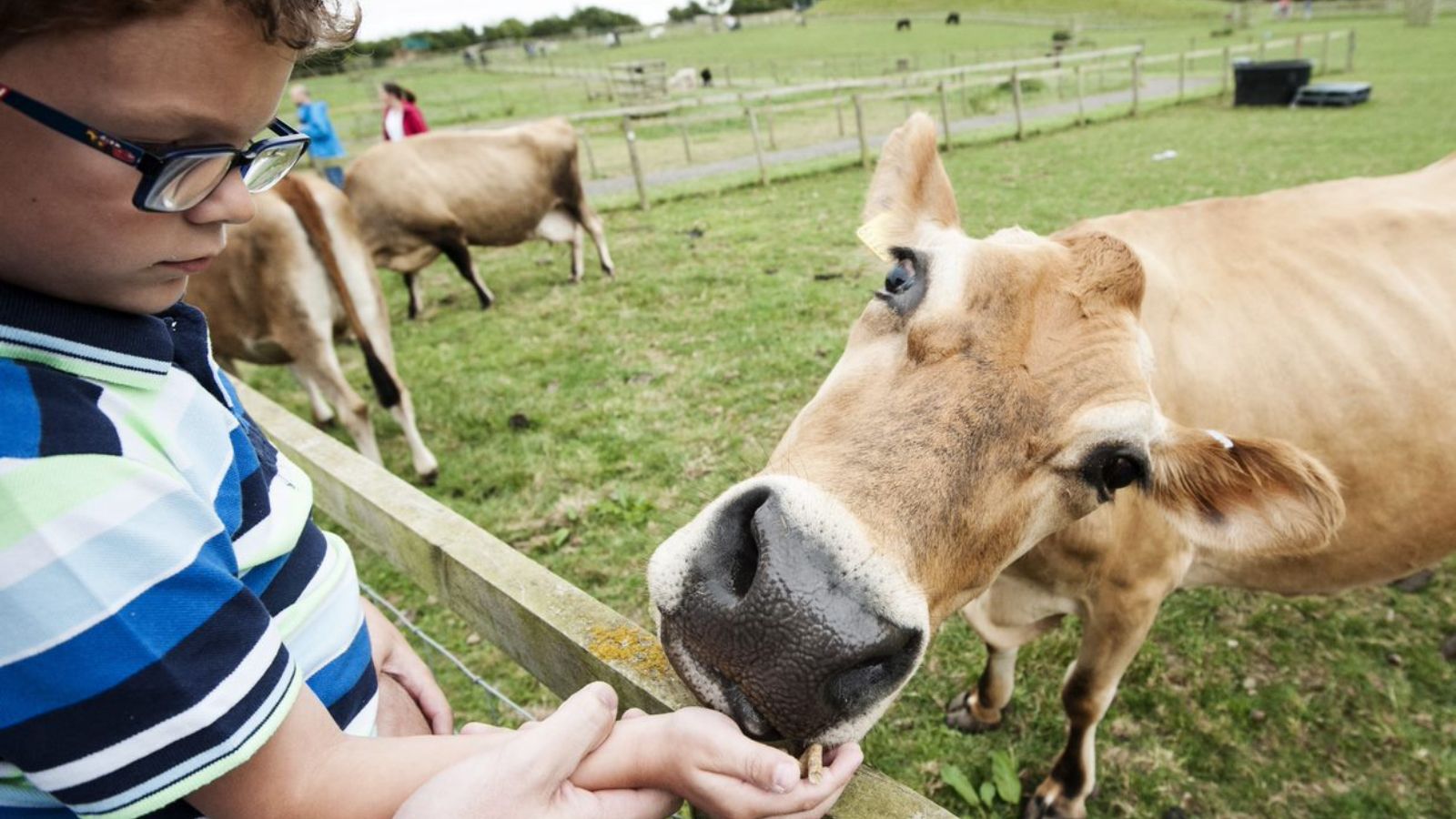
Godstone Farm offers younger pupils opportunities to learn about domestic animals, farm environments and the natural world through direct observation and practical experiences.
Farm visits can help children understand animal needs, life cycles, the origins of food and the responsibilities involved in caring for living things.
Curriculum links: EYFS Understanding the World, KS1 animals, life cycles, habitats, farming and food production.
School visit information: The farm’s education team welcomes school groups and offers opportunities to explore animals and the working farm environment.
Planning tip: This is particularly suitable for younger pupils learning about animal care and farm life. Check animal-handling arrangements, hygiene guidance and the activities available for your age group.
Ecology and Outdoor Learning in the East of England
Ferry Meadows Outdoor Education Centre, Peterborough
Ferry Meadows Outdoor Education Centre, within Nene Park, provides opportunities to investigate natural environments through hands-on outdoor learning.
With lakes, woodland, grassland and other habitats nearby, schools can explore biodiversity, environmental relationships and the importance of protecting natural spaces.
Curriculum links: Habitats, ecosystems, biodiversity, environmental science, Geography and scientific enquiry.
School activities: The centre offers curriculum-based outdoor learning alongside land and water activities. Educational sessions can be selected to match the needs and learning objectives of visiting groups.
Planning tip: Ask the education team which activities involve direct environmental investigation and whether pupils will need waterproof clothing, outdoor footwear or fieldwork equipment.
Biology and Wildlife School Trips in Central England & the Midlands
Stratford Butterfly Farm, Warwickshire
Stratford Butterfly Farm provides an immersive rainforest environment in which pupils can observe tropical butterflies, insects and plants.
Its collections include butterflies, leafcutter ants and other rainforest creatures, creating opportunities to investigate life cycles, adaptations, food webs and relationships between organisms.
Curriculum links: Invertebrates, life cycles, pollination, adaptation, habitats, classification and rainforest ecosystems.
School activities: Guided visits introduce pupils to tropical wildlife and rainforest biology. Groups can explore the Flight Area, Discovery Zone, Minibeast Metropolis and other environments while developing their observation skills.
Planning tip: The warm, humid conditions offer a useful opportunity to discuss rainforest environments. Check group-size limits and arrange guided sessions in advance.
West Midlands Safari Park, Worcestershire
West Midlands Safari Park offers a combination of wildlife observation and curriculum-linked learning through its dedicated Safari Academy.
Pupils can investigate animal adaptations, behaviour and conservation while observing species from different environments.
Curriculum links: Classification, ecosystems, habitats, adaptation, biodiversity and endangered species.
School activities: The Safari Academy provides purpose-built classrooms and educational sessions for learners from early years to higher education. Visits can also include the Safari Drive and animal areas.
Planning tip: Identify the topics you want to explore before booking and discuss how best to combine educational sessions with the safari experience.
Trentham Monkey Forest, Staffordshire
Trentham Monkey Forest offers a distinctive opportunity to observe free-roaming Barbary macaques in a woodland setting.
Watching the monkeys interact allows pupils to investigate social behaviour, communication, group relationships and how primates adapt to their environment.
Curriculum links: Animal behaviour, adaptation, conservation, primates, ecosystems and scientific observation.
School visit information: School groups can observe macaques in a naturalistic environment and use the experience to develop questions about animal behaviour and conservation.
Planning tip: Encourage pupils to record behaviours such as grooming, feeding and social interactions, while following all visitor instructions and maintaining the required distance from the monkeys.
Hoo Zoo and Dinosaur World, Shropshire
Hoo Zoo and Dinosaur World combines a working zoological collection with prehistoric-themed attractions and educational activities.
For biology-focused visits, pupils can investigate animal classification, habitats and adaptations, while fossil activities introduce evidence of prehistoric life.
Curriculum links: Living things and their habitats, classification, evolution, extinction and fossil evidence.
School activities: The attraction offers animal encounters, educational talks, dinosaur tours and fossil workshops. Its fossil session includes opportunities to handle specimens and distinguish between different types of fossil evidence.
Planning tip: Decide whether the visit will focus on living animals, fossils or a combination of the two, and choose the relevant workshop when booking.
Biology and Conservation School Trips in Yorkshire & North East England
The Deep, Hull
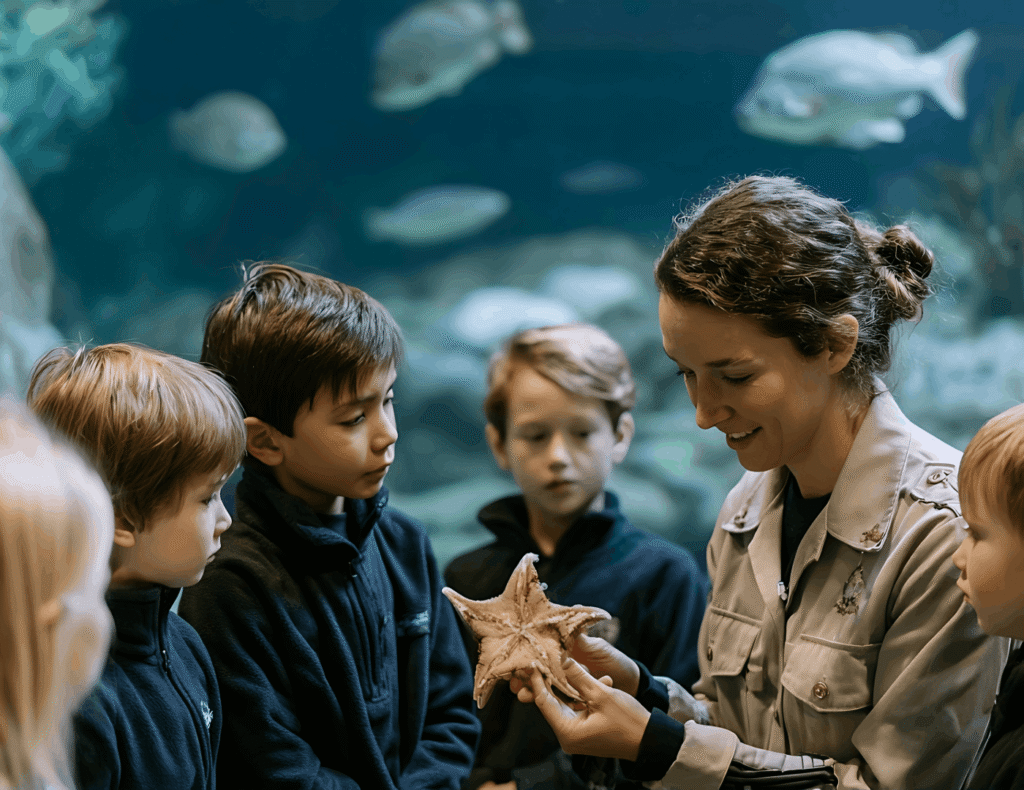
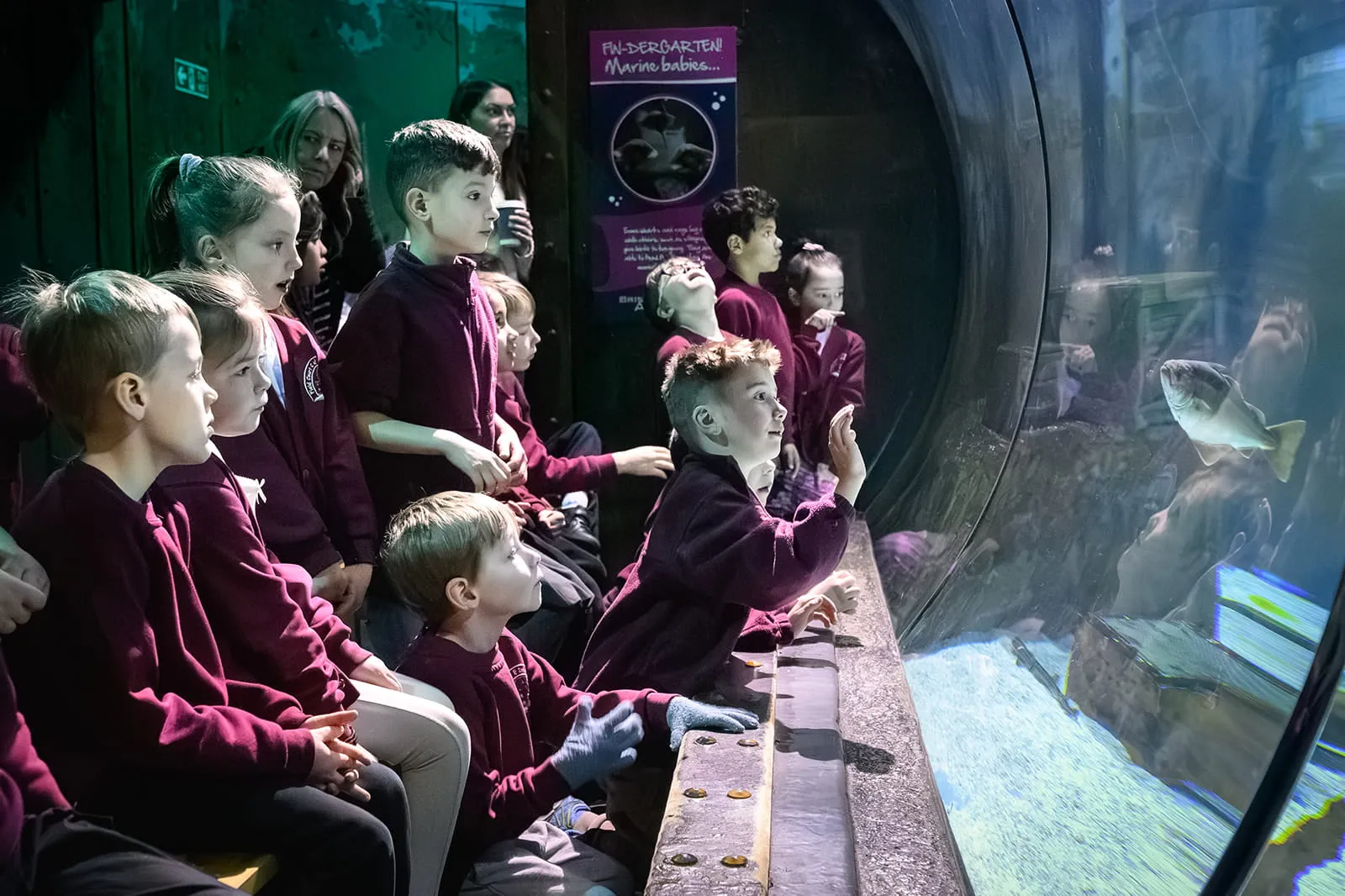
The Deep is an aquarium and conservation charity where students can explore marine habitats, animal adaptations and the importance of protecting ocean ecosystems.
Its exhibits provide opportunities to observe sharks, rays, turtles and other marine organisms while considering how they survive in different aquatic environments.
Curriculum links: Marine biology, ecosystems, food chains, biodiversity, adaptation and ocean conservation.
School workshops: Curriculum-linked sessions take place in The Deep’s Sea Labs, with activities designed for learners from EYFS to post-16, including SEND groups. School visits combine a structured workshop with self-guided aquarium exploration.
Planning tip: Select your workshop according to the pupils’ Key Stage and allow enough time for the aquarium tour and lunch arrangements.
RHS Garden Harlow Carr, Harrogate
RHS Garden Harlow Carr provides a living environment for exploring plants, habitats, biodiversity and sustainable gardening.
Its meadows, woodland, kitchen gardens and plant collections offer opportunities to investigate how plants grow, reproduce and interact with the wider environment.
Curriculum links: Plant biology, life cycles, habitats, pollination, biodiversity, sustainability and scientific enquiry.
School activities: The RHS offers interactive learning sessions and self-guided resources for primary and secondary groups. The Bramall Learning Centre and teaching garden support practical investigations and experiments.
Planning tip: Select the programme that best supports your learning objectives, particularly if you want pupils to investigate plant reproduction, growing conditions or biodiversity.
Sheffield Botanical Gardens, Sheffield
Sheffield Botanical Gardens offers school groups opportunities to explore plant diversity and environmental learning in a varied garden setting.
Pupils can compare plants from different regions, investigate seasonal changes and explore how plants are adapted to their surroundings.
Curriculum links: Plant classification, adaptation, habitats, life cycles, biodiversity and environmental science.
School activities: The gardens provide curriculum-linked half-day and full-day sessions for different Key Stages, using practical activities and guided exploration.
Planning tip: Check the available educational programme dates and select activities that match your pupils’ age and science topics.
Ingleton Waterfalls Trail, Yorkshire Dales
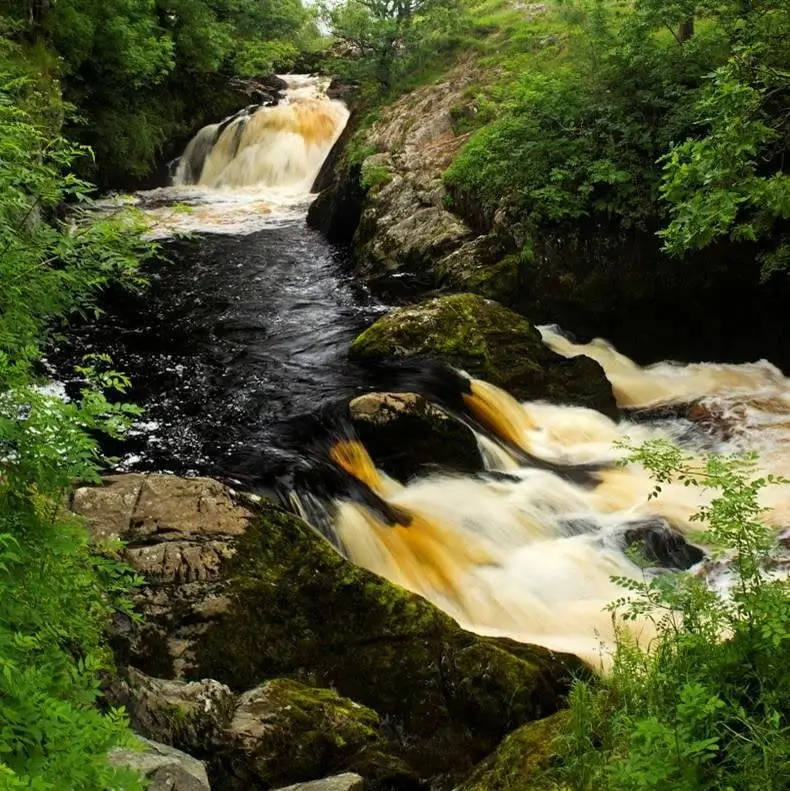
Ingleton Waterfalls Trail provides opportunities to investigate woodland, freshwater environments and the interaction between geology and living ecosystems.
School groups can observe how vegetation, water and physical conditions change along the route, and consider how these differences influence habitats.
Curriculum links: Woodland ecology, freshwater habitats, biodiversity, environmental conditions, Geography and field observation.
School visit information: The trail offers a self-guided outdoor experience through varied landscapes, with opportunities for observation and discussion.
Planning tip: The route includes uneven ground, steps and potentially slippery sections. Assess its suitability for your group and check weather, footwear and access requirements before visiting.
Biology and Conservation School Trips in North West England
Chester Zoo, Cheshire
Chester Zoo offers a wide range of opportunities to investigate wildlife conservation, ecosystems and the relationship between humans and the natural world.
Its animal collections and international conservation projects provide examples of threatened habitats, species recovery and the environmental impact of human activity.
Curriculum links: Biodiversity, conservation, classification, ecosystems, adaptation and environmental change.
School activities: The zoo offers educational workshops and resources covering topics such as wildlife conservation, sustainability and the threats facing animals in the wild.
Planning tip: Encourage pupils to consider the relationship between consumer choices and conservation, such as the impact of agricultural expansion and unsustainable palm oil production on tropical habitats.
Farmer Ted’s Adventure Farm, Lancashire
Farmer Ted’s Adventure Farm combines farm animals, practical learning and opportunities to investigate the relationship between farming and the natural environment.
Pupils can learn about animal care, life cycles, food production and the role of farms in rural ecosystems.
Curriculum links: Animal groups, life cycles, living things and their habitats, food production, farming and environmental awareness.
School activities: Educational experiences include animal areas, the Minibeast Centre, tractor rides and the Ed Shed, which explores farming, harvests and food production.
Planning tip: Particularly suitable for primary pupils studying animals and farming. Follow the attraction’s animal-contact and handwashing guidance throughout the visit.
WWT Martin Mere Wetland Centre, Lancashire
WWT Martin Mere Wetland Centre provides opportunities for school groups to observe wetland wildlife and investigate the importance of conserving freshwater habitats.
Seasonal bird migrations make the reserve particularly interesting for exploring how species respond to environmental changes and how wetlands support biodiversity.
Curriculum links: Ecosystems, biodiversity, migration, adaptation, food webs and conservation.
School visit information: Depending on the programme, pupils can observe wetland birds, investigate habitats and use educational resources to explore the relationships between wildlife and the environment.
Planning tip: Wildlife sightings vary throughout the year. Choose the season that best supports your learning objectives and confirm available school sessions in advance.
Biology, Marine Science and Conservation Trips in South West England
Eden Project, Cornwall
The Eden Project provides an exceptional environment for studying global ecosystems, plant diversity and the relationship between humans and nature.
Its Rainforest and Mediterranean Biomes allow students to compare different climates, investigate plant adaptations and consider the importance of biodiversity for food, water and human wellbeing.
Curriculum links: Ecosystems, adaptation, plant biology, biodiversity, climate change and sustainability.
School workshops: The Eden Project offers a wide range of curriculum-linked sessions for learners from early years to post-16. Topics include science, Geography and environmental sustainability.
Planning tip: Encourage students to compare conditions between the two Biomes and identify the adaptations that allow different plants to survive. Check current workshop availability before booking.
Bristol Aquarium, Bristol
Bristol Aquarium offers an opportunity to investigate aquatic habitats, marine life and rainforest ecosystems through its themed bio-zones.
Pupils can observe fish, sharks, rays, amphibians and other species while exploring how animals and plants survive in different environments.
Curriculum links: Aquatic ecosystems, adaptation, food chains, biodiversity, rainforest habitats and conservation.
School activities: The aquarium offers curriculum-led tours and interactive workshops, including themes such as Under the Sea, Plants & Fish and Save Our Seas.
Planning tip: Choose a workshop that matches your class topic and consider using the aquarium’s botanical house to compare freshwater and tropical environments.
Ocean Conservation Trust – National Marine Aquarium, Plymouth
The Ocean Conservation Trust, based at the National Marine Aquarium in Plymouth, offers specialist educational experiences focused on ocean science and conservation.
Students can explore the diversity of marine life, investigate environmental threats and learn about the work being undertaken to protect and restore ocean ecosystems.
Curriculum links: Marine biology, ecosystems, biodiversity, conservation, pollution and environmental change.
School activities: Educational options include aquarium visits, guided tours, curriculum-linked workshops, virtual experiences and outreach sessions delivered in schools.
Planning tip: Ask about the workshop most relevant to your pupils and whether virtual or outreach activities could support learning before or after the visit.
Noah’s Ark Zoo Farm, near Bristol
Noah’s Ark Zoo Farm combines zoological collections, farm animals and curriculum-linked education programmes.
School groups can investigate animal biology, adaptations, habitats and welfare while observing a wide variety of species.
Curriculum links: Classification, animal behaviour, adaptation, habitats, biodiversity and conservation.
School activities: The zoo provides educational workshops, self-guided learning resources and keeper talks. Outreach and virtual sessions are also available for schools unable to visit.
Planning tip: Choose a structured workshop to complement observation of the animals and identify any particular species or topics your pupils should investigate.
Monkey World Ape Rescue Centre, Dorset
Monkey World Ape Rescue Centre offers opportunities to explore primate biology and the conservation challenges facing monkeys and apes.
Students can investigate primate behaviour, social relationships and adaptations while learning about the rescue and rehabilitation of animals affected by exploitation and illegal trade.
Curriculum links: Animal behaviour, adaptation, biodiversity, endangered species, conservation and environmental ethics.
School activities: The education team offers curriculum-focused talks and workshops covering primates, rainforest environments and the centre’s rescue work.
Planning tip: For older students, the visit can support discussions about the primate pet trade, habitat loss and the responsibilities involved in protecting endangered wildlife.
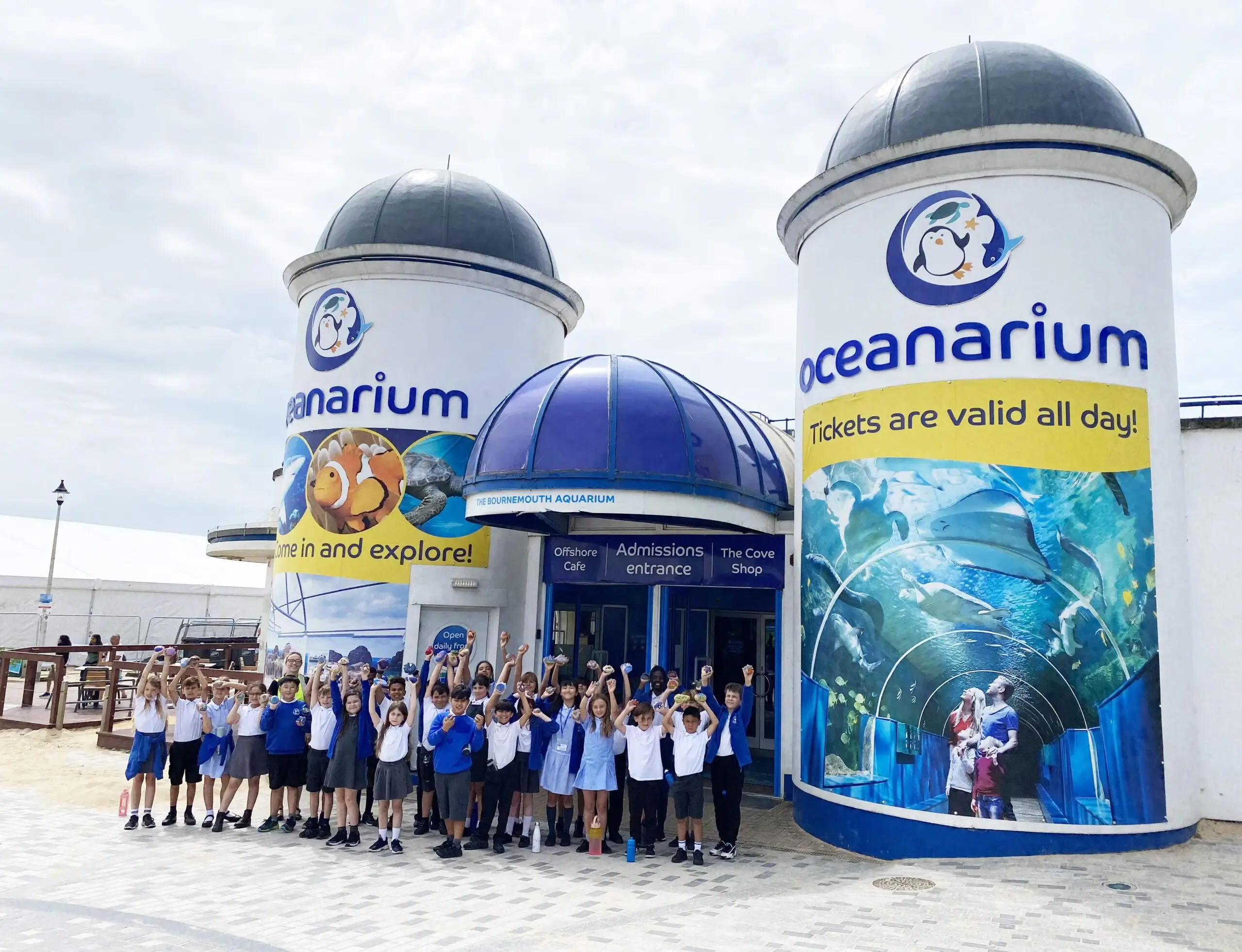
Oceanarium, Bournemouth
Bournemouth Oceanarium offers a varied marine learning experience through themed aquatic environments.
Pupils can observe sharks, fish, otters, penguins and other aquatic species while investigating how organisms are adapted to their environments.
Curriculum links: Marine biology, food chains, habitats, animal adaptations, biodiversity and conservation.
School visit information: The Oceanarium welcomes educational groups and provides opportunities to explore aquatic ecosystems and the threats facing marine wildlife.
Planning tip: Plan observation activities around contrasting habitats and check the latest school group arrangements, talks and educational resources before visiting.
WWT Slimbridge Wetland Centre, Gloucestershire
WWT Slimbridge Wetland Centre offers valuable opportunities for investigating wetland ecology, freshwater habitats and wildlife conservation.
Pupils can observe wetland birds and other animals, explore the relationships between organisms and learn how wetlands support biodiversity.
Curriculum links: Ecosystems, classification, adaptation, biodiversity, migration, food webs and environmental science.
School workshops: WWT offers curriculum-linked sessions including pond investigations, bird adaptations, migration and plastic pollution. Resources are available to support learning before and after a visit.
Planning tip: For fieldwork-focused groups, choose a session involving habitat investigation or species identification. Check what equipment is provided and whether pupils need waterproof clothing.
Biology and Conservation School Trips in Wales
National Botanic Garden of Wales, Carmarthenshire
The National Botanic Garden of Wales provides opportunities to investigate plant biodiversity, conservation and the relationship between plants and their environments.
Its gardens and glasshouse collections allow pupils to compare plant species, observe adaptations and consider how botanical research contributes to protecting biodiversity.
Curriculum links: Plant biology, classification, photosynthesis, adaptation, biodiversity and conservation.
School visit information: The gardens offer opportunities for outdoor learning and investigations into plants, wildlife and environmental sustainability.
Planning tip: Encourage pupils to compare plants from different environments and investigate how their structures help them survive.
Folly Farm Adventure Park & Zoo, Pembrokeshire
Folly Farm combines domestic farm animals with zoological collections, making it a useful destination for comparing animal care, conservation and the different ways humans manage animals.
Pupils can investigate how animals are adapted to their environments and consider the differences between farming, animal welfare and wildlife conservation.
Curriculum links: Animals and their habitats, classification, adaptation, life cycles, farming and conservation.
School visit information: The attraction welcomes school groups and provides discounted educational admission, animal exhibits and resources to help teachers plan visits.
Planning tip: Use the contrast between farm animals and zoo species to develop pupils’ understanding of domestication, animal needs and conservation.
Plantasia Tropical Zoo, Swansea
Plantasia Tropical Zoo provides an indoor rainforest environment where pupils can explore tropical plants, animals and ecological relationships.
Students can investigate how organisms are suited to warm, humid environments and consider how rainforest species depend on one another.
Curriculum links: Rainforest ecosystems, adaptation, biodiversity, food webs, plant biology and conservation.
School activities: Plantasia offers curriculum-linked workshops, self-guided educational visits and outreach experiences for schools.
Planning tip: Check workshop availability well in advance, as school sessions can become fully booked. Self-guided and outreach options may provide alternatives.
Biology and Conservation School Trips in Scotland
Edinburgh Zoo
Edinburgh Zoo offers opportunities to investigate animal behaviour, adaptation, biodiversity and the conservation of threatened species.
Pupils can observe animals from different environments and consider how zoos contribute to wildlife conservation, scientific research and public education.
Curriculum links: Animal biology, classification, adaptation, ecosystems, biodiversity and conservation.
School visit information: The Royal Zoological Society of Scotland provides educational sessions and learning resources for different age groups, supporting Scotland’s Curriculum for Excellence and wider science learning.
Planning tip: Select a small number of animal species for focused observations rather than attempting to see every exhibit. Check the current education programme and animal information before visiting.
Highland Wildlife Park, Kincraig
Highland Wildlife Park provides opportunities to explore how animals are adapted to cold climates and challenging environments.
Located in the Scottish Highlands, the park allows pupils to investigate wildlife conservation and the biological characteristics that help animals survive in northern and mountainous habitats.
Curriculum links: Adaptation, evolution, animal behaviour, ecosystems, climate change and conservation.
School activities: The Royal Zoological Society of Scotland offers educational sessions and self-guided visits for school groups, with resources that support wildlife learning.
Planning tip: The park covers a large area, with drive-through and walk-through sections. Check transport arrangements, suitable clothing and the accessibility of different areas before booking.
Planning Biology and Conservation School Trips: Tips for Teachers
Choose a Visit That Matches Your Biology Topic
Different destinations support different parts of the biology curriculum.
Zoos and wildlife parks are particularly useful for observing animal behaviour, comparing species and exploring conservation. Botanical gardens allow pupils to investigate plants and environmental adaptation, while wetlands and outdoor learning centres can support direct ecological fieldwork.
Aquariums offer opportunities to investigate aquatic organisms, food chains and threats facing marine ecosystems.
Before booking, identify the learning objectives you want pupils to achieve and choose activities that will help them investigate those topics.
Develop Scientific Observation and Enquiry Skills
Encourage pupils to observe organisms systematically rather than simply record the names of animals or plants they see.
Useful investigation questions include:
- How is this organism adapted to its environment?
- What does it eat, and where does it fit within a food web?
- How does its behaviour help it survive?
- What other organisms does it depend upon?
- What threats does it face in the wild?
- How might environmental changes affect its survival?
These questions can help develop observation, interpretation and evidence-based reasoning skills.
Include Ecological Fieldwork Where Appropriate
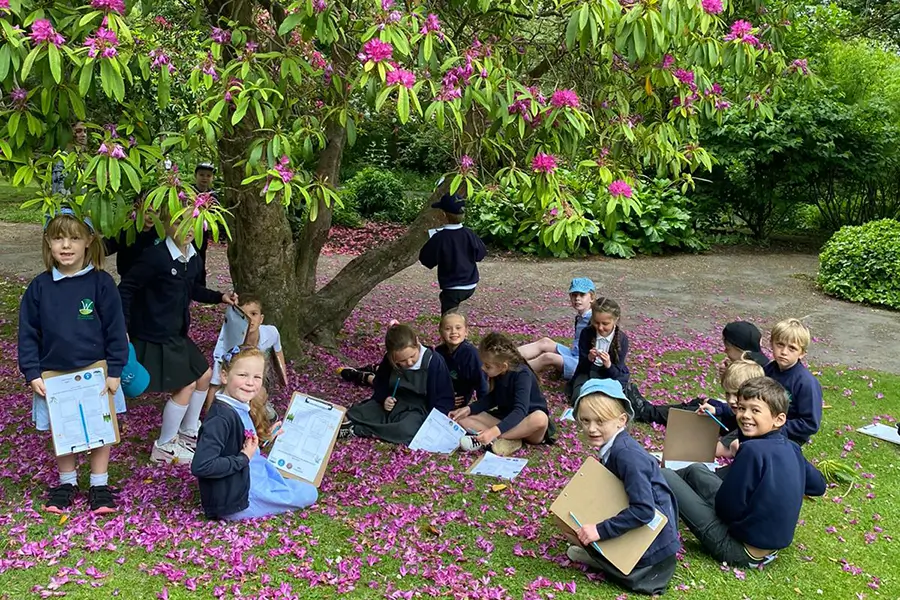
Outdoor environments can provide opportunities to practise biological sampling and data collection.
Depending on the age group and location, activities may involve identifying species, using quadrats, recording environmental conditions, investigating pond life or comparing biodiversity between habitats.
For GCSE and A-level students, fieldwork should be planned around the requirements of their examination specification, including any relevant practical activities and sampling methods.
Always confirm which activities are permitted at the site and whether specialist equipment or supervision is required.
Explore Conservation Through Real Examples
Wildlife conservation provides opportunities to connect biology with real environmental challenges.
Students can investigate how habitat loss, climate change, pollution, invasive species and human activities affect biodiversity.
Zoos, aquariums and conservation organisations may also introduce breeding programmes, habitat restoration, wildlife monitoring and research into endangered species.
For older students, these experiences can support discussions about the benefits, limitations and ethical considerations of different conservation strategies.
Consider Accessibility, Animal Welfare and Safety
Before booking, check the attraction’s group supervision requirements, accessible facilities and suitability for pupils with additional needs.
For outdoor trips, consider weather conditions, uneven terrain, suitable footwear and access to shelter. For farm visits, follow the venue’s handwashing and animal-contact procedures.
At zoos and wildlife parks, remind pupils to follow animal welfare guidance, respect barriers and avoid disturbing animals during observation activities.
Teachers should also check whether the venue provides risk assessments, sensory guides, teacher pre-visits or adapted educational sessions.
Introduce Careers in Biology and Conservation
Biology school trips can introduce pupils to careers that connect classroom science with real-world research and environmental management.
Potential pathways include ecology, zoology, veterinary science, marine biology, conservation genetics, horticulture, environmental science and wildlife education.
For older pupils, consider asking education teams whether there are opportunities to learn about the work of conservation researchers, animal-care specialists or environmental professionals.
Extend Learning Before and After the Visit
Before the trip, pupils could research the habitats they will encounter, prepare identification guides or develop scientific questions to investigate.
During the visit, they can record observations, collect permitted data or compare species and environmental conditions.
Afterwards, pupils could construct food webs, analyse their results, produce conservation action plans or research the threats facing a selected species.
Linking activities before, during and after the visit helps turn an educational day out into a meaningful learning experience.
Discover More Biology and Conservation School Trips with Educational Visits UK
From tropical rainforests and marine ecosystems to wetlands, botanical gardens and wildlife conservation centres, the UK offers inspiring opportunities to study biology outside the classroom.
Whether you’re planning a primary science visit, GCSE Biology workshop or post-16 ecology field trip, choosing a destination that supports your curriculum can help pupils develop a deeper understanding of the natural world.
Explore our Wildlife and Nature School Trips, browse Science and STEM School Trips, or discover more School Trip Ideas for teachers across the UK.