GCSE Geography Fieldwork Requirements: What Do Schools Need to Cover?
Fieldwork is a compulsory part of GCSE Geography in England. It gives students opportunities to apply geographical knowledge, investigate real environments and develop skills in collecting, presenting, analysing and evaluating evidence.
The exact requirements vary between examination boards and specifications, so teachers should check the rules for the qualification their students are studying.
AQA GCSE Geography Fieldwork Requirements
For AQA GCSE Geography (8035), students must undertake two geographical enquiries involving primary data collection outside the classroom and school grounds.
The enquiries must take place in contrasting environments, address physical and human geography, and include an understanding of interactions between physical and human processes in at least one investigation.
Students are expected to understand the complete geographical enquiry process, including developing questions, selecting methods, collecting data, presenting findings, drawing conclusions and evaluating the investigation.
Find the full requirements in the AQA GCSE Geography specification.
Pearson Edexcel GCSE Geography Fieldwork
Pearson Edexcel GCSE Geography also places fieldwork at the centre of geographical enquiry.
For Geography A, students undertake physical and human investigations. Physical fieldwork involves a river or coastal environment, while human fieldwork involves an urban or rural settlement environment.
Other specifications may define investigations differently. Teachers should consult their examination board’s current guidance rather than assume that requirements are identical.
The Pearson Edexcel Geography fieldwork resources include guidance and support materials for teachers.
What Skills Should Students Develop?
GCSE geography fieldwork should give students opportunities to:
- Develop geographical enquiry questions and hypotheses
- Choose suitable fieldwork locations and sampling methods
- Collect relevant primary data
- Use secondary evidence to support investigations
- Present findings through graphs, maps and other geographical techniques
- Identify patterns, relationships and anomalies
- Reach conclusions supported by evidence
- Evaluate the reliability and limitations of their methods
Fieldwork is assessed through examinations rather than a separate GCSE coursework submission. Students should therefore understand the investigation they completed, the decisions behind their methods and how they could improve the reliability of their results.
Coastal Geography Fieldwork Trips: Erosion, Deposition and Management
Coastal fieldwork is a popular option for GCSE Geography because students can observe physical processes alongside the ways people manage and use coastal environments.
Suitable locations may include beaches, cliffs, bays, coastal settlements and areas protected by sea walls, groynes or other management strategies.
GCSE Coastal Fieldwork Enquiry Questions
Possible investigation questions include:
- How does beach profile change along a stretch of coastline?
- How does sediment size vary between different locations on a beach?
- What evidence is there of longshore drift?
- How effective are coastal management strategies at protecting a settlement?
- How do natural processes and human activities influence a coastal landscape?
Coastal Fieldwork Data-Collection Methods
Depending on the enquiry and location, students might use:
- Beach profiles: Measuring beach gradient using ranging poles, tape measures and clinometers
- Sediment sampling: Recording pebble size, shape and roundness using a consistent sampling approach
- Coastal management surveys: Recording the type, condition and distribution of coastal defences
- Annotated field sketches: Identifying coastal landforms and evidence of erosion or deposition
- Environmental quality surveys: Evaluating the condition and management of coastal visitor areas
- Secondary data: Using historical maps, aerial photographs and shoreline management information
Teachers should choose methods that directly answer the enquiry question. The number of measurements matters less than collecting appropriate, reliable evidence.
Where Can Schools Go for Coastal Geography Fieldwork?
The Jurassic Coast in Dorset, the Yorkshire coast, North Norfolk and parts of the South Wales coastline provide opportunities to study coastal processes and the interaction between people and the environment.
Schools should choose a location that is safe, accessible and capable of supporting the investigation required by their examination specification.
River Geography Fieldwork Trips: River Characteristics and Flooding
River fieldwork allows students to investigate how water and sediment move through drainage basins and how river environments change over distance.
Investigations can focus on river-channel characteristics, erosion, deposition, flood management or the relationship between physical processes and human activity.
GCSE River Fieldwork Enquiry Questions
- How do river characteristics change with distance downstream?
- How does channel width or depth vary between different sites?
- What factors influence flow velocity?
- How does sediment size and shape change along a river?
- How effective are local river management strategies?
- How do land use and human activity influence a river environment?
River Fieldwork Data-Collection Methods
Depending on site conditions, available expertise and the investigation, suitable techniques may include:
- Measuring channel width and depth at selected locations
- Investigating flow velocity using an appropriate approved method
- Recording sediment size and shape
- Comparing river features at different sites
- Creating annotated field sketches and cross-sections
- Recording evidence of erosion, deposition and river management
- Comparing field observations with maps, rainfall records and other secondary data
Safety consideration: River measurements must be planned around water depth, current, weather, access and the competence of supervising staff. Students should not enter water unless this has been specifically assessed and appropriate supervision, procedures and equipment are in place. Suitable bank-based alternatives may be available.
Urban Geography Fieldwork Trips: Regeneration, Land Use and Environmental Quality
Urban fieldwork offers opportunities to investigate how towns and cities change, how different areas are used and how people experience their environment.
Schools can explore regeneration, sustainability, transport, shopping patterns, environmental quality and differences between neighbourhoods.
Many urban investigations can be completed relatively close to school, which may reduce transport costs and make fieldwork more accessible.
GCSE Urban Fieldwork Enquiry Questions
- How successful has regeneration been in improving an urban area?
- How does environmental quality change with distance from the city centre?
- How does land use vary between different parts of a town?
- What evidence is there of social or economic inequality?
- How does pedestrian activity vary between shopping areas?
- How sustainable is transport provision in a selected urban area?
- How do residents and visitors perceive the quality of an urban environment?
Urban Fieldwork Data-Collection Methods
Possible techniques include:
- Environmental quality surveys: Using consistent criteria to compare different streets or neighbourhoods
- Land use mapping: Recording the distribution of retail, residential, commercial and recreational uses
- Pedestrian counts: Recording movement at comparable locations and time intervals
- Traffic surveys: Investigating vehicle types, volumes and patterns
- Questionnaires: Collecting people’s views where appropriate consent and safeguarding arrangements are in place
- Photographic evidence: Recording environmental features while respecting privacy and local restrictions
- Secondary evidence: Comparing current observations with historic maps, demographic data and regeneration plans
For reliable comparisons, schools should consider how time of day, weather, survey location and sampling decisions may influence the results.
Popular UK Cities for Urban Geography Fieldwork
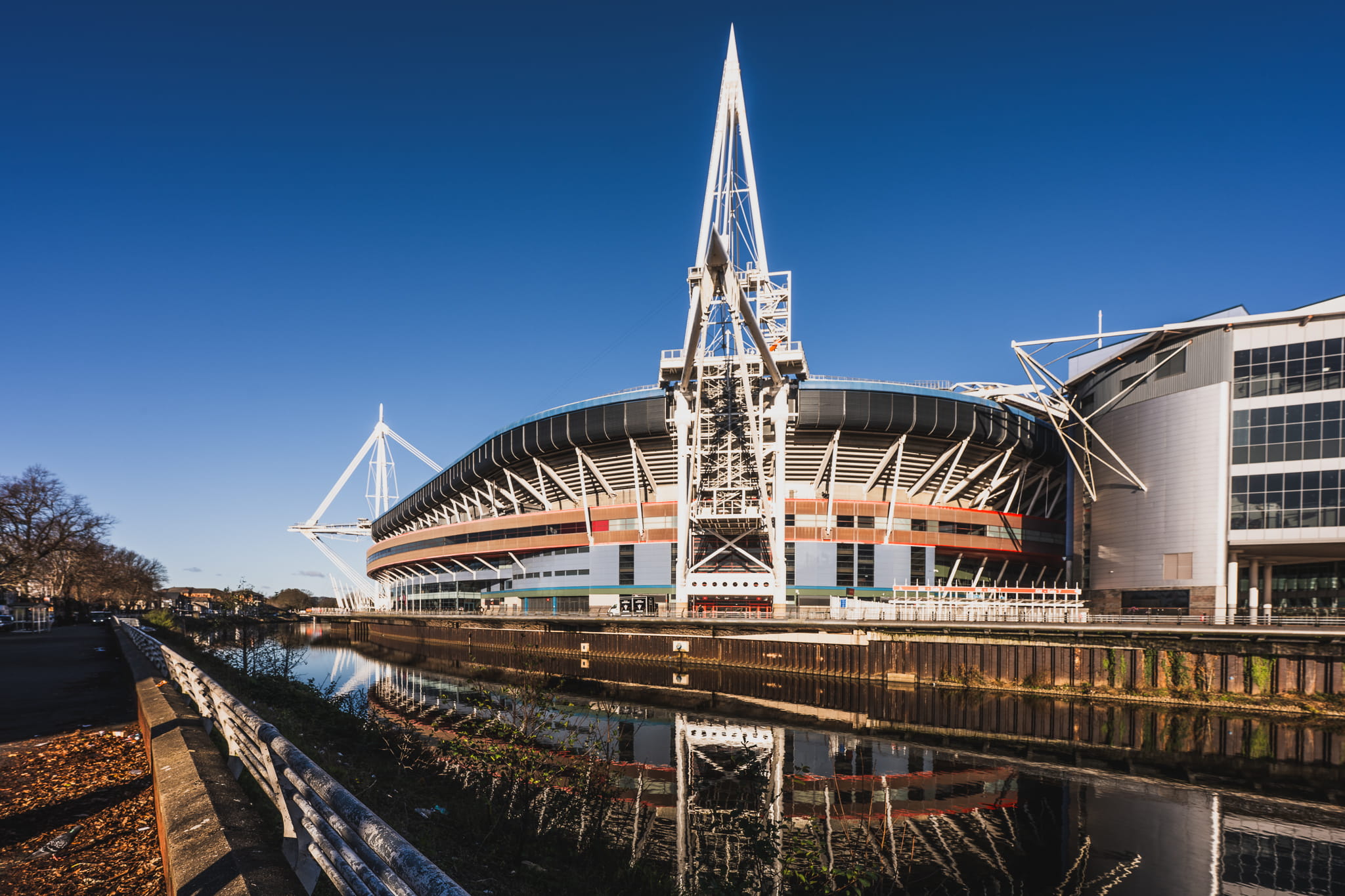
Places such as Liverpool, Manchester, Birmingham, Bristol, Cardiff and London offer opportunities to investigate contrasting urban environments and the effects of regeneration.
However, a major city is not essential. A nearby town centre, suburban area or local settlement may provide a suitable investigation if it meets the specification and supports meaningful primary data collection.
UK Geography Fieldwork Providers and Educational Visits
Schools can choose between specialist guided fieldwork, self-led geographical investigations and residential centres that provide accommodation or supporting activities.
The following Educational Visits UK listings offer relevant opportunities for GCSE Geography groups, although the level of fieldwork teaching and examination-board support varies between providers.
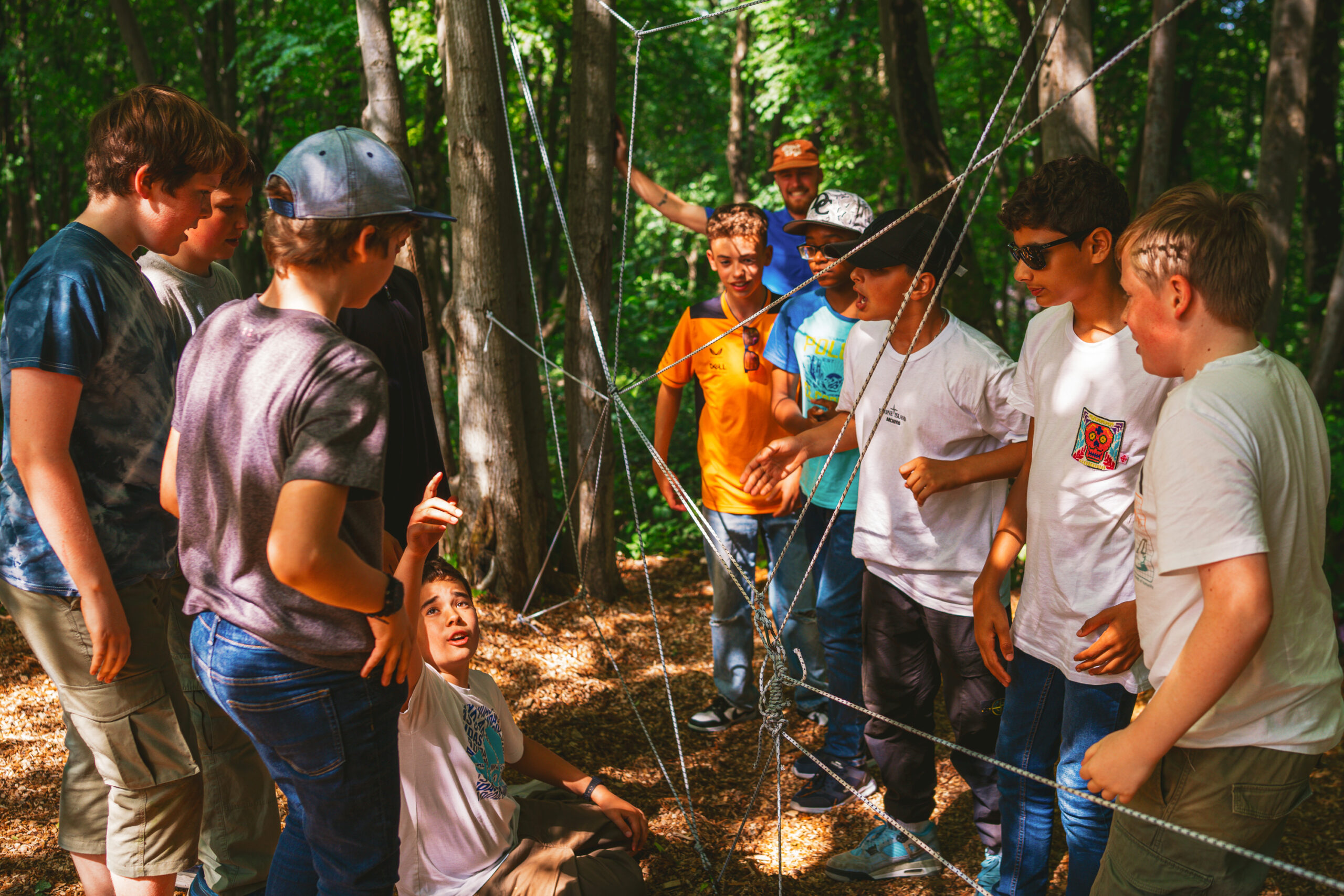
Ferry Meadows Outdoor Education Centre, Peterborough
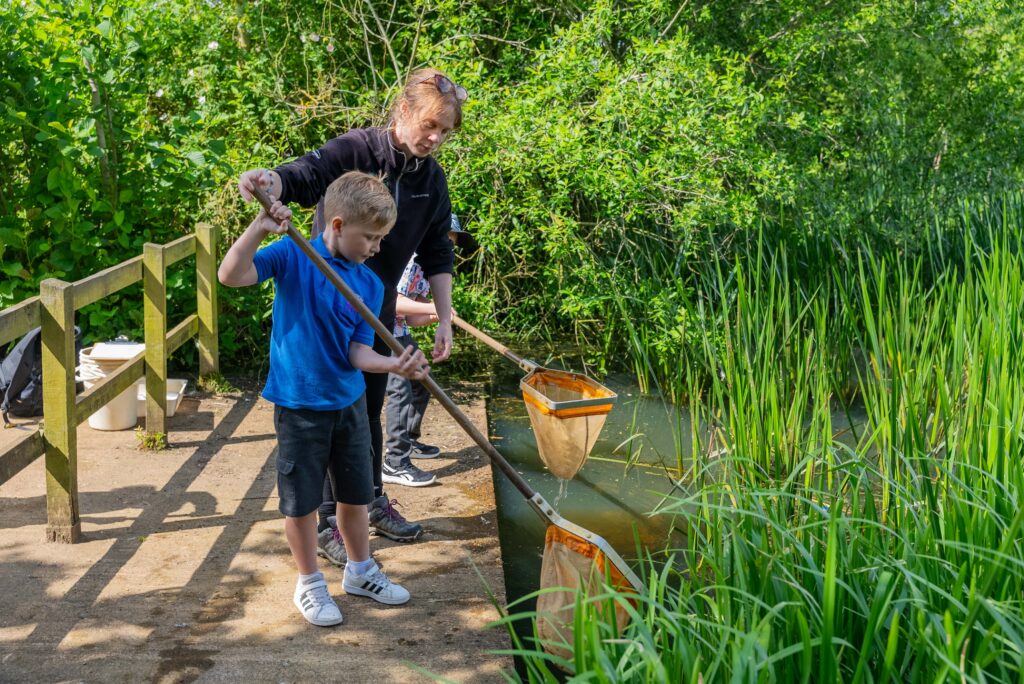
Ferry Meadows Outdoor Education Centre offers curriculum-based outdoor learning across the varied environments of Nene Park in Cambridgeshire.
Its lakes, river, wetlands, grassland and woodland provide opportunities to investigate environmental processes, land use and interactions between people and the natural world.
Geography fieldwork opportunities: The centre explicitly offers field trips for KS3 and KS4 Geography groups. Visits can be developed around curriculum objectives, with access to outdoor environments suitable for environmental investigations.
What the centre provides: Qualified instructors, educational equipment, indoor teaching spaces and risk assessments are included in its organised programmes. Self-led visits with resource packs are also available.
Ideal for: Secondary school groups seeking structured environmental fieldwork, with opportunities to combine geographical investigations and outdoor learning.
Planning tip: Give the education team your examination board, enquiry question and intended data-collection methods before booking. Confirm the fieldwork programme’s suitability for GCSE assessment requirements.
Cumulus Outdoors, Swanage and the Jurassic Coast, Dorset
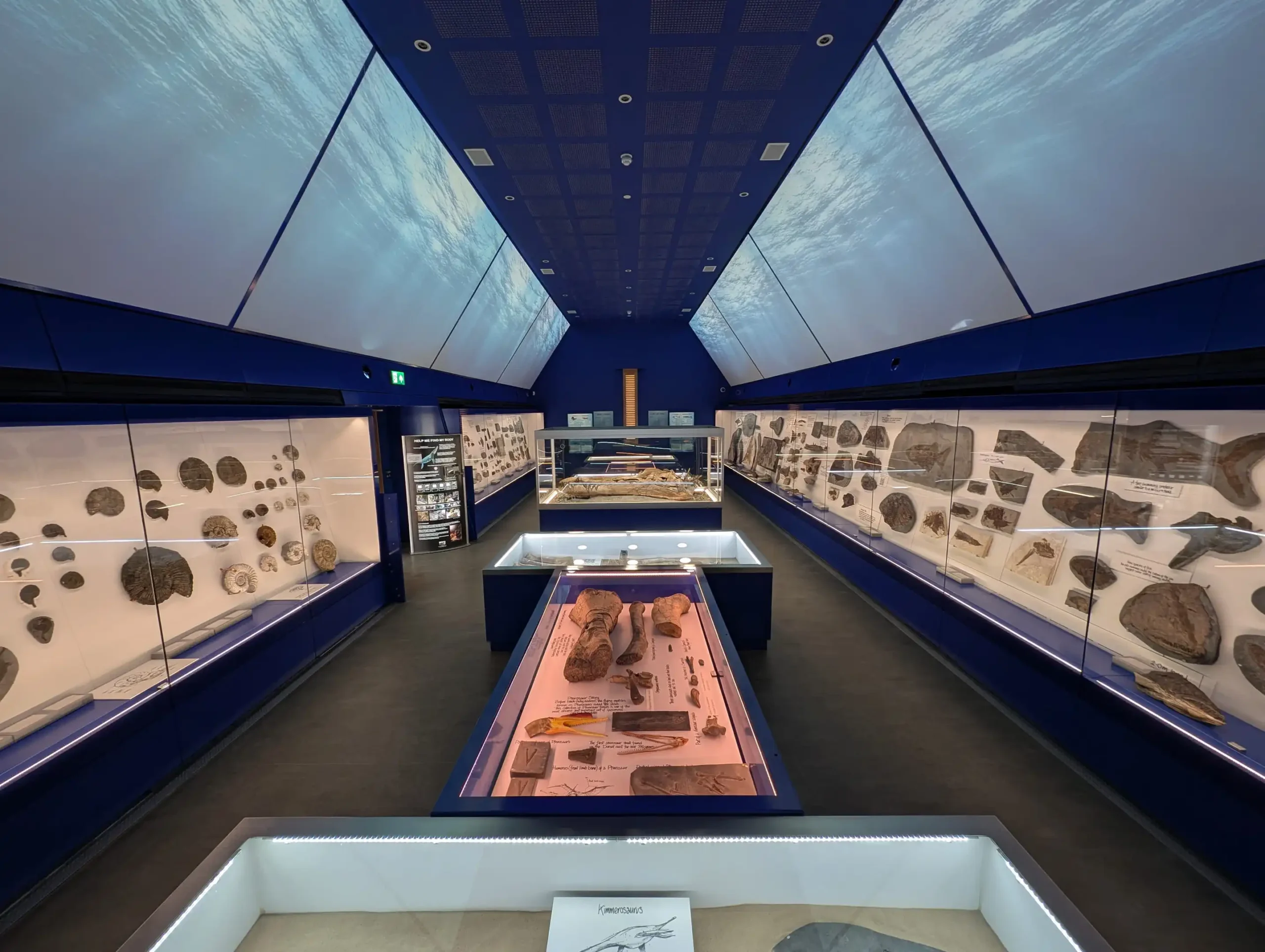
Cumulus Outdoors offers school field studies, outdoor activity days and residential programmes in the Isle of Purbeck, close to the Jurassic Coast World Heritage Site.
Its coastal location provides access to remarkable physical landscapes, including the wider areas around Swanage, Kimmeridge Bay, Old Harry Rocks and other coastal features.
Geography fieldwork opportunities: Cumulus includes field studies within its school programmes and can arrange visits to local geographical and geological attractions. Depending on the itinerary, schools may be able to investigate coastal landscapes, geology, tourism and environmental management.
Residential options: Schools can choose from indoor accommodation at the Swanage residential centre or tented villages elsewhere in Dorset. Catering and additional outdoor adventure activities can be included.
Ideal for: Secondary school groups considering a coastal geography residential with the option to combine field studies and outdoor adventure.
Planning tip: Cumulus offers bespoke programmes, but teachers should confirm which fieldwork sessions involve primary data collection and whether activities can be tailored to their specific GCSE examination requirements.
North Yorkshire Outdoor Learning Service, Yorkshire Dales and North York Moors
North Yorkshire Outdoor Learning Service delivers field studies and outdoor education through Bewerley Park in Nidderdale and East Barnby near Whitby.
The centres provide access to contrasting landscapes, including rivers, upland environments, woodland and coastal locations.
Geography fieldwork opportunities: The service offers GCSE and A-level fieldwork alongside environmental studies and outdoor education. Programmes can be developed around the needs of visiting school groups.
Residential options: Both centres provide accommodation, teaching facilities and opportunities to combine fieldwork with other outdoor learning activities.
Ideal for: Schools seeking specialist outdoor education and field studies in northern England.
Planning tip: East Barnby is particularly well located for coastal investigations, while Bewerley Park provides access to upland and river environments. Discuss the enquiry and data requirements with the centre before choosing a location.
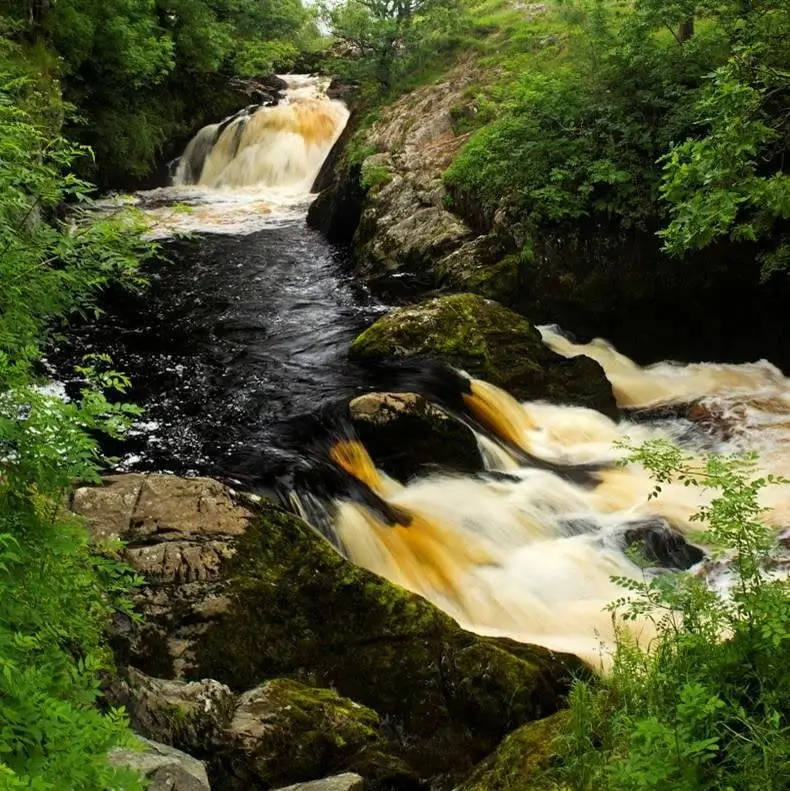
Ingleton Waterfalls Trail, Yorkshire Dales
Ingleton Waterfalls Trail offers an opportunity to investigate physical geography through a landscape of waterfalls, river valleys, woodland and exposed geological features.
The trail provides a setting in which students can observe river processes, erosion, geological differences and the relationship between rivers and surrounding landscapes.
Geography learning opportunities: Students can create annotated field sketches, examine geological features and compare evidence of erosion and river landforms along the route.
School visit information: The attraction welcomes school groups and provides visitor information, risk assessment support and educational activity materials.
Ideal for: Secondary groups seeking a self-led physical geography visit or an additional location study within a broader Yorkshire residential.
Planning tip: The waterfall trail is not advertised as a specialist GCSE river-data collection course. The walking route contains steep sections and steps, and safe water access is limited. Teachers must plan appropriate activities rather than assume all standard river measurement methods can be carried out.
Avon Tyrrell Outdoor Activity Centre, New Forest, Hampshire
Avon Tyrrell Outdoor Activity Centre offers residential and day-visit programmes within the New Forest National Park.
Its woodland and outdoor environments provide opportunities to explore natural landscapes, environmental processes and relationships between people and places.
Geography fieldwork opportunities: Avon Tyrrell offers curriculum-linked field studies, including provision for KS4 students. Sessions can be adapted to the aims and learning objectives of visiting schools.
Residential options: The centre offers accommodation in its historic manor house, forest lodges and tented villages, alongside classroom and outdoor activity facilities.
Ideal for: Schools seeking environmental field studies or a residential experience combining Geography and outdoor learning.
Planning tip: Ask which field studies activities are available for GCSE groups and whether the centre can support your chosen enquiry, sampling methods and primary data requirements.
Purple Tours UK, Liverpool and North West England
Purple Tours UK provides bespoke educational sightseeing tours across Liverpool, the North West, Chester, North Wales and the Peak District.
Its programmes can be tailored to curriculum themes, including contrasting urban and rural areas, local geography, history and cultural change.
Geography learning opportunities: Guided visits can help students explore how urban areas have developed, investigate changes in land use and understand the historical and geographical context of different neighbourhoods.
School visit information: Tours can be delivered on foot or using a school’s transport, with itineraries adapted to the age, interests and learning objectives of the group.
Ideal for: Schools planning an urban geography visit in Liverpool or a wider geographical study of North West England.
Planning tip: A guided sightseeing tour does not automatically satisfy GCSE fieldwork requirements. If your group needs to collect primary data, discuss possible survey locations and ensure that appropriate independent enquiry activities are incorporated into the programme.
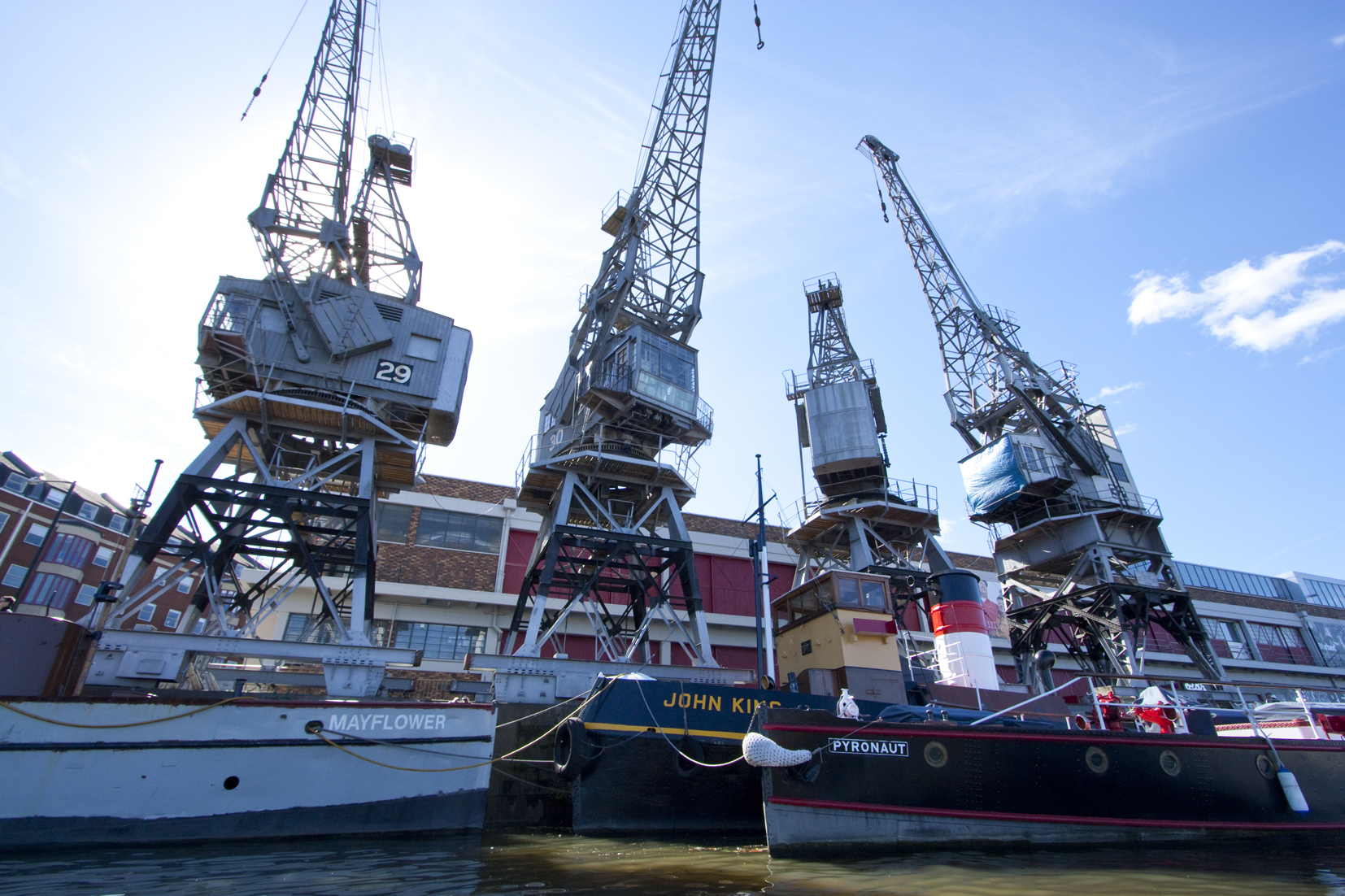
M Shed, Bristol
M Shed explores Bristol’s development through the stories of its people, communities, industries and maritime connections.
Located beside the Floating Harbour, the museum offers useful historical context for investigating how the city’s economy, waterfront and urban environment have changed.
Geography learning opportunities: A museum visit can complement an urban investigation focused on changing land use, the waterfront economy, industrial heritage or regeneration in Bristol.
School activities: M Shed offers educational workshops and collections exploring the city’s history, trade and communities.
Ideal for: Schools wishing to support an urban geography enquiry with contextual evidence about Bristol’s development.
Planning tip: M Shed is a complementary learning stop, not a dedicated GCSE Geography fieldwork provider. Teachers should arrange the primary data collection separately in appropriate parts of the city.
Newlands Adventure Centre, Lake District
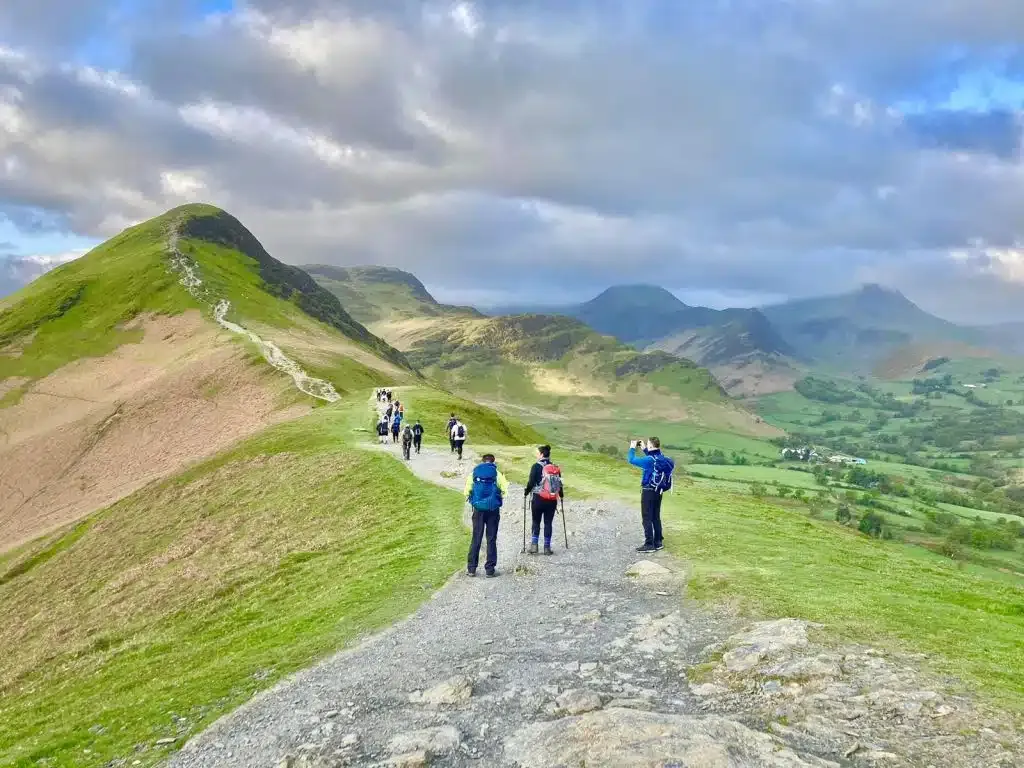
Newlands Adventure Centre, near Keswick, offers residential school trips surrounded by the mountains, valleys and glacial landscapes of the Lake District.
Its location provides opportunities for pupils to develop their understanding of upland physical geography while taking part in outdoor education and adventure activities.
Geography learning opportunities: The centre identifies mountains, glaciers and physical geography among the topics that can be explored through its location.
Residential options: Newlands provides accommodation, catering, qualified activity instructors and transport to organised outdoor activities as part of its residential programmes.
Ideal for: Schools organising a Lake District geography residential, particularly where landscape observation is combined with outdoor adventure.
Planning tip: Confirm whether a specialist GCSE fieldwork enquiry and the required data-collection methods can be accommodated. Its published programmes focus primarily on outdoor adventure rather than a prescribed GCSE investigation.
Ampleforth Abbey, North Yorkshire – Residential Fieldwork Base
Ampleforth Abbey offers group residential accommodation within reach of York, the North York Moors and the Yorkshire coast.
Its location makes it an option for schools arranging independent Geography fieldwork across North Yorkshire.
Residential facilities: The group accommodation includes dormitory rooms, staff accommodation, catering options, communal spaces and access to outdoor grounds.
Geography trip opportunities: Schools can potentially use the accommodation as a base for separately organised coastal, rural or urban investigations.
Ideal for: Geography departments that have arranged their own fieldwork locations, teaching staff, transport and data-collection programme.
Planning tip: Ampleforth is an accommodation option rather than a specialist GCSE Geography fieldwork provider. Schools must organise fieldwork teaching and data collection separately.
Which Type of GCSE Geography Field Trip Should You Choose?
The best fieldwork trip depends on your enquiry topic, students’ needs and examination specification.
| Fieldwork type |
Possible investigation |
Typical data collection |
| Coastal |
Coastal processes or effectiveness of management |
Beach profiles, sediment measurements, surveys and field sketches |
| River |
Downstream changes or river management |
Channel characteristics, sediment measurements and observations |
| Urban |
Regeneration, land use or environmental quality |
Environmental surveys, pedestrian counts, land use maps and questionnaires |
| Rural |
Tourism, settlement change or service provision |
Land use surveys, questionnaires, observations and secondary data |
| Environmental |
Habitat quality or human impacts |
Environmental measurements, vegetation surveys and site comparisons |
Some destinations can support more than one type of enquiry. For example, a coastal town might provide opportunities to investigate beach processes alongside tourism, land use or environmental quality.
However, schools should check that their proposed enquiries satisfy the contrasting-environment and physical/human geography requirements of their specification.
Day Trips or Residential Geography Fieldwork?
GCSE Geography fieldwork does not necessarily require a residential visit. Many schools can meet their requirements through appropriately planned local day trips.
However, a residential may provide access to a wider range of contrasting environments and additional time for learning and analysis.
Benefits of a Geography Fieldwork Day Trip
- Can reduce accommodation and catering costs
- May require less time away from other lessons
- Can use locations familiar to students
- Allows focused investigation of one geographical question
- May make participation more accessible for some pupils
Benefits of a Geography Residential
- Access to coastal, rural, upland or urban environments beyond the local area
- More time for data collection and investigation
- Opportunities to compare contrasting locations
- Additional classroom time for data processing and reflection
- Possibility of combining geographical learning with outdoor education
When considering a residential, schools should establish whether the provider delivers fieldwork teaching or simply supplies accommodation and activities.
Example Two-Day GCSE Geography Fieldwork Itinerary
The following is an illustrative itinerary combining physical and human geography in a coastal region. It is not a specific advertised package, and the final enquiries must be checked against the school’s examination specification.
Day 1: Coastal Processes and Management
- Travel to the coastal fieldwork location
- Introduce the enquiry question, site characteristics and safety arrangements
- Carry out beach profiles or another suitable coastal investigation
- Record coastal management features and environmental observations
- Collect relevant primary data at selected sampling points
- Return to accommodation or school for data processing and reflection
Day 2: Urban Geography Investigation
- Travel to a nearby town or contrasting urban environment
- Introduce an enquiry into regeneration, land use or environmental quality
- Conduct pedestrian counts, land use mapping or environmental quality surveys
- Compare data collected at different sites
- Discuss patterns, anomalies and limitations
- Return to school for follow-up analysis and exam preparation
This structure can help students recognise the differences between physical and human enquiries while exploring how environmental processes and human decisions influence places.
How to Plan a Successful GCSE Geography Fieldwork Enquiry
1. Start With a Clear Enquiry Question
A strong geographical investigation begins with a question that can be answered using measurable or observable evidence.
For example, rather than asking students to investigate everything about a river, a more focused enquiry might examine whether channel characteristics change between selected locations.
The question should relate directly to the specification and the geographical concepts being studied.
2. Choose Suitable Sampling Methods
Students should understand why particular sites and measurements have been selected.
Common approaches include systematic, random and stratified sampling, depending on the environment and enquiry.
The sampling method should produce enough relevant information to identify geographical patterns without creating unnecessary complexity.
3. Collect Appropriate Primary Data
Primary data is evidence collected directly by students during the investigation.
Examples include environmental quality scores, beach measurements, pedestrian counts and observations of river characteristics.
Students should use consistent methods where possible and record sufficient information to explain their findings.
4. Use Secondary Data to Support the Investigation
Secondary data can help students place their observations in context.
Depending on the enquiry, this might include historical maps, census data, aerial photographs, published environmental information or local authority planning documents.
Students should understand the origins, relevance and limitations of any information they use.
5. Present and Analyse the Findings
After the visit, students can present their results using techniques appropriate to their data.
These might include:
- Bar charts and line graphs
- Scatter graphs
- Located proportional symbols
- Choropleth and land use maps
- Cross-sections and beach profiles
- Annotated photographs
- Geographical Information Systems (GIS)
Students should look for patterns, correlations and anomalies, then consider the geographical processes that might explain them.
6. Evaluate the Investigation
Evaluation is an important part of GCSE fieldwork.
Encourage students to consider:
- Was the enquiry question appropriate?
- Did the methods produce useful and reliable data?
- Were enough locations sampled?
- Could weather, tide or time of day have influenced the results?
- Were there any measurement errors or subjective judgements?
- What additional evidence would strengthen the conclusions?
- How could the investigation be improved if repeated?
A strong evaluation explains how limitations may have affected the results, rather than simply stating that more data should have been collected.
How Much Do GCSE Geography Fieldwork Trips Cost?
The cost of a GCSE Geography field trip depends on the destination, duration, group size and level of support required.
A self-led urban investigation near school may require relatively little expenditure, while a residential programme involving specialist teaching, accommodation and transport will cost more.
When comparing fieldwork providers, ask whether the quoted price includes:
- Specialist fieldwork teaching or instructors
- Fieldwork equipment and data-recording materials
- Admission charges or site access fees
- Transport to and between investigation locations
- Classroom or teaching facilities
- Accommodation and meals for residential visits
- Accompanying teacher places
- Risk assessment documentation
- Additional activities and evening programmes
Schools should also check payment deadlines, cancellation terms and whether accessible activities or equipment involve additional costs.
Where budgets are limited, consider whether the required fieldwork can be completed in suitable locations closer to school.
Risk Assessments, Safety and Accessibility for Geography Fieldwork
Geography fieldwork may involve coastal environments, rivers, uneven terrain, busy streets and other locations requiring careful preparation.
Schools should follow their educational visits procedures and ensure the investigation is appropriate for the pupils taking part.
Coastal Fieldwork Safety
Teachers should check tide times, weather forecasts, cliff stability, access routes and the condition of beaches or coastal paths.
Activities should not require pupils to work close to unstable cliffs, enter restricted areas or take unnecessary risks near the water.
River Fieldwork Safety
River investigations require particular attention to water depth, flow conditions, bankside access and environmental hazards.
Any activities involving entry into water should be specifically assessed, supervised and supported by appropriate expertise and equipment. Where these conditions cannot be met, choose safer methods or alternative locations.
Urban Fieldwork Safety
Urban investigations should account for traffic, pedestrian movement, group supervision and public interaction.
If questionnaires are used, schools should plan consent, safeguarding and privacy arrangements, including how responses will be recorded and stored.
Accessibility and SEND
Discuss accessibility requirements with providers before booking. Some coastal, river and upland environments may be difficult to access, but alternative sites or adapted methods may be available.
Students should be able to participate in meaningful geographical enquiry wherever reasonably possible, even if they use different equipment or data-collection methods.
Frequently Asked Questions About GCSE Geography Fieldwork Trips
Is Fieldwork Compulsory for GCSE Geography?
Yes. GCSE Geography specifications in England include compulsory fieldwork requirements. Schools should consult the relevant examination board to confirm the number and nature of investigations required.
Do GCSE Geography Students Need Two Field Trips?
Students must undertake fieldwork on at least two occasions outside the classroom and school grounds under the relevant GCSE subject requirements. This does not necessarily mean two separate full-day coach trips. The investigations must meet the specification’s requirements for contrasting environments and geographical enquiry.
What Is the Best Location for GCSE River Fieldwork?
The best river fieldwork location is one that safely supports the chosen investigation and permits appropriate data collection. A suitable local river may be more useful than travelling to a famous landscape where practical access is difficult.
Can Students Complete Urban Geography Fieldwork Locally?
Yes. Local towns and urban areas can provide suitable opportunities to investigate land use, environmental quality, regeneration and other geographical questions, provided the investigation meets the examination requirements.
Does a Geography Fieldwork Trip Need to Be Residential?
No. Residential visits are optional. Schools can use local day trips if the locations, activities and data collection satisfy the relevant examination specification.
Do Fieldwork Centres Provide Equipment and Worksheets?
Some specialist providers supply fieldwork equipment, worksheets, risk assessments and teaching support. Others provide access to a location or accommodation only. Teachers should confirm exactly what is included before booking.
Can One Field Trip Cover Both Physical and Human Geography?
It may be possible to investigate contrasting physical and human environments during one trip if the activities meet the specification’s requirements for separate enquiries and fieldwork occasions. Teachers should check the examination board’s current guidance before finalising their programme.
Plan Your GCSE Geography Fieldwork Trip with Educational Visits UK
From coastal investigations along the Jurassic Coast to river studies in Yorkshire and urban fieldwork in Britain’s towns and cities, the UK offers opportunities for students to develop geographical enquiry skills through first-hand experience.
Whether you’re planning a local day trip, a specialist field studies programme or a residential Geography visit, choosing the right location and provider can help students collect meaningful evidence, understand geographical processes and prepare for their examinations.
Explore our Geography and Geology School Trips, find suitable School Trip Accommodation, or browse more School Trip Ideas for educational visits across the UK.
Schools requiring help with accommodation, transport and a wider educational itinerary can also explore our Tailor-Made School Trips.